Meher Baba's Life & Travels



MEHER SPIRITUAL CENTER




Visit the Meher Center web site :
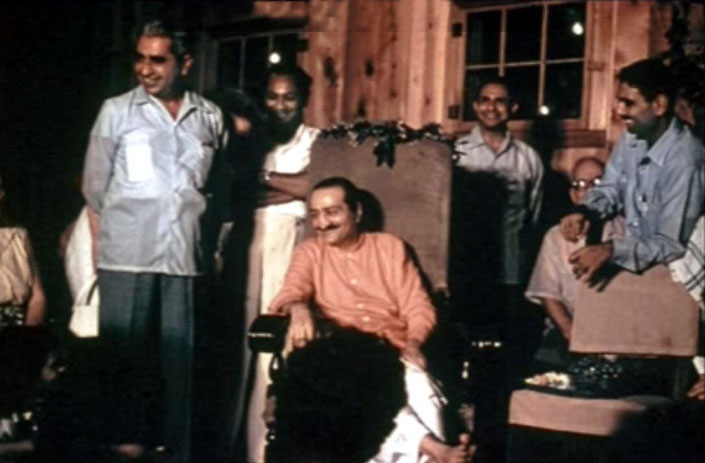
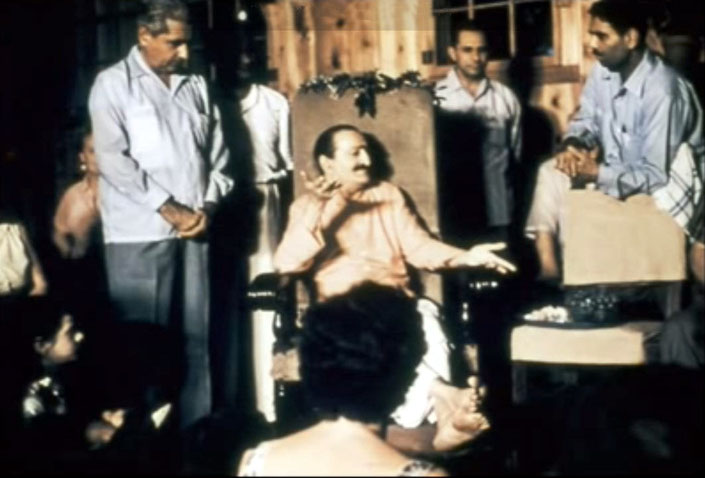
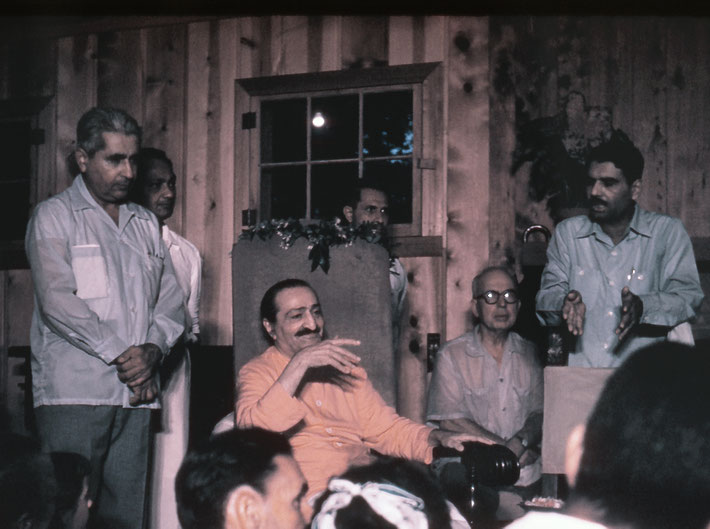
Meher Baba visited the Meher Spiritual Center 3 times.
1952, 1956 & 1958. ( click on the years dates to visit the webpages for more details )
On the 1952 visit, both male and female close followers ( mandali ) accompanied Baba.
On the subsequent 2 later visits Baba only had 4 different men with him on each visit.
Meher Spiritual Center is a sacred site established by and dedicated to Meher Baba. It is a spiritual retreat for rest, meditation, and renewal of the spiritual life, where those who visit can experience Meher Baba’s enduring love and presence and learn more about His life and teachings. Meher Baba sanctified Meher Center with His physical presence when He stayed here in 1952, 1956, and 1958. He called the Center His “Home in the West,” and He said “I never leave. Remember, I do not leave, because this is my home.” The paths Baba walked on, the buildings He spent time in, the accounts of what He said and did at the Center, all serve as remembrances and tangible links to His never-ending presence here.
Meher Spiritual Center offers a refuge from everyday life where visitors can experience spiritual renewal in a most personal way—it provides a unique atmosphere of intimacy, quietude, peacefulness and simplicity which enhances that experience. This retreat atmosphere is available to all who come, whether for an hour or two weeks.
Meher Baba said the Center would become “a place of pilgrimage for all time” and as He requested, it is preserved in perpetuity as a sacred site and spiritual retreat. Since its founding in 1944, every effort has been made to protect and maintain the Center’s physical property, natural beauty and unique atmosphere, and to ensure its continuing availability for all who love and follow Meher Baba, and all who know of Him and want to know more.
continued .....
Courtesy of the Meher Sp. Center website.
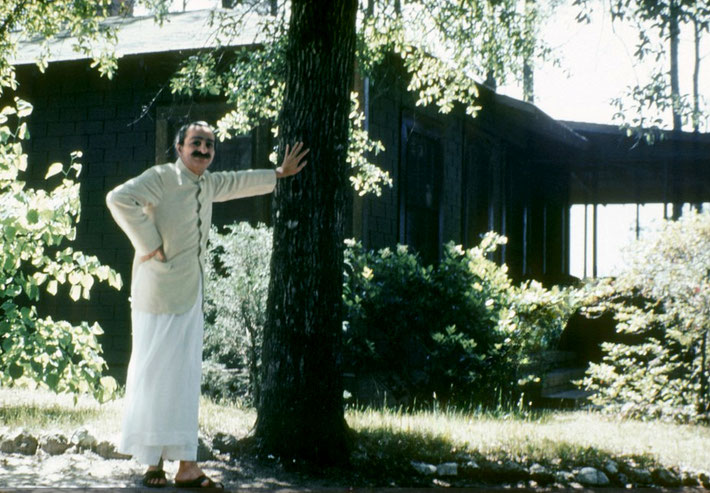
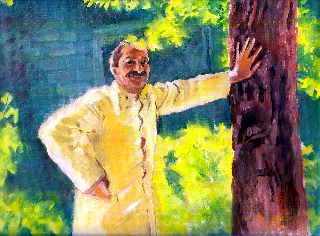
In 1941 Meher Baba sent two of His early Western disciples, Elizabeth Patterson and Norina Matchabelli, from India to the United States to find and establish a Center for His work there. Baba had been to the U.S. three times and He said of His coming to this country “there is greater energy in America than elsewhere, but most of this energy is misdirected. I will divert it into creative and spiritual channels.” Baba specified that the property which would become Meher Spiritual Center should meet five conditions:
The climate should be equable.
It should have more than ample water.
It should be virgin soil, never built upon.
It should be land that could be tilled.
And it should be given from the heart.
Elizabeth and Norina searched unsuccessfully throughout the country for almost three years. Then in 1943 while visiting her father in Myrtle Beach, Elizabeth remembered seeing, years earlier, a large tract of undisturbed oceanfront property. Upon revisiting the spot she felt with certainty that it was the place they had been looking for. The land, owned by Myrtle Beach Farms Company where her father, Simeon Chapin, was a partner, met the first four of Meher Baba’s conditions. Elizabeth’s father who had met Meher Baba and had deep respect for Elizabeth’s spiritual quest was eventually able to obtain the property and give it to her; she then offered it with love to Baba, fulfilling the final condition. Baba sanctioned the gift, and in 1944 work began to prepare the Center which would become His “home in the West.”
Baba Himself directed many details of the Center’s development; every phase of the work was done with the thought of pleasing Him. And He remained actively interested and involved with all Center activities throughout the years following His three visits in the 1950s.
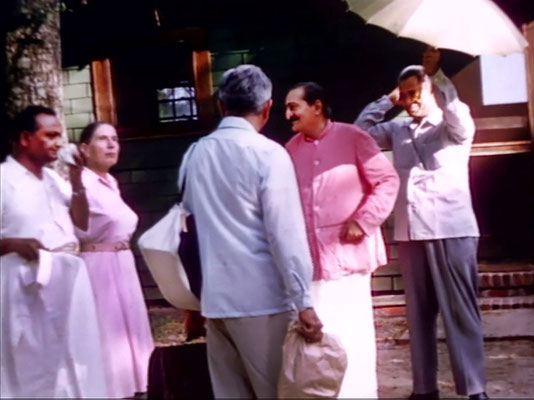
On Meher Baba’s first visit He expressed His pleasure with all that was done to establish the Center saying “… I am so happy to be here, and most of all I am deeply touched with the love and devotion shown by both Elizabeth and Norina throughout the past years in preparing such a unique spot for my work and comfort… of all the homes I have visited, this is the home that I love the best, because it was given to me and built for me with such love.” After a pause he added, “I never leave. Remember, I do not leave, because this is my home.” Accompanied by eleven companions from India, this first visit was for a month during April and May, 1952. It was a quiet, intimate, and special time with Baba when many westerners had the opportunity to meet Him for the first time.
continued.....
Courtesy of the Meher Sp. Center website.
MAPS
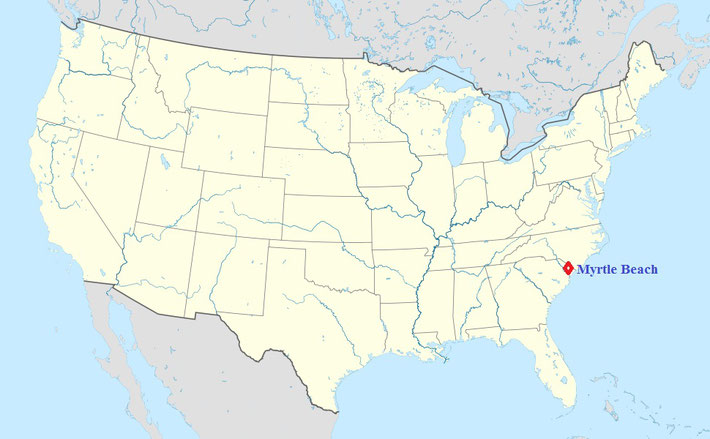
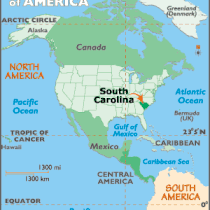


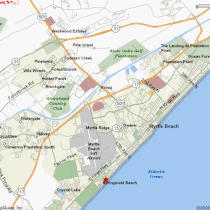
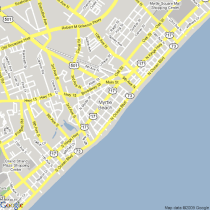
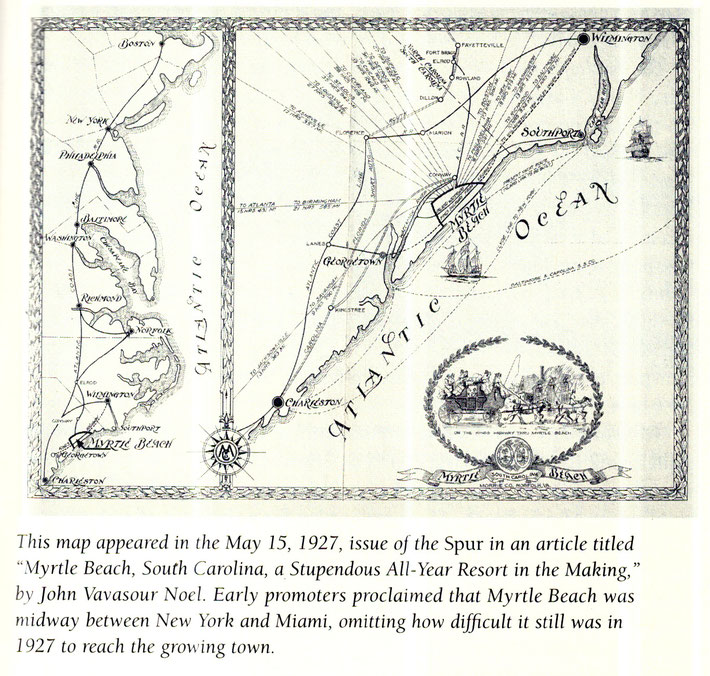
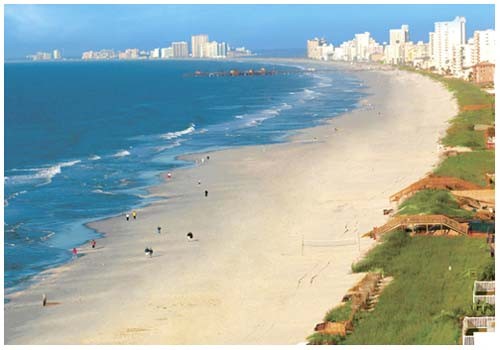
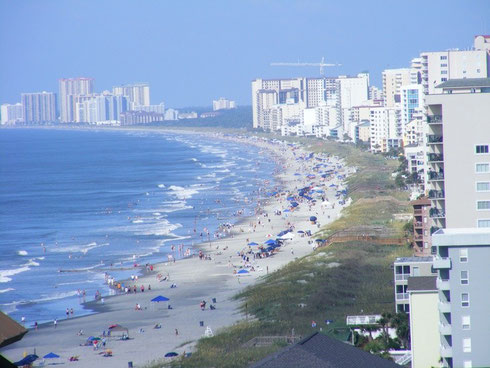
Meher Baba’s sister Mani describes her first impressions of the Center in 1952: “On our arrival I felt that Baba had already been there. His presence was so strong and I realized Baba had blessed the Center long before. Every nook had so much of His Presence—on the bridges, under the trees, at the beach, in the Barn, by the lake. Naturally, it is the one place in the West Baba had specifically directed to be found—but He had already found it before He sent Elizabeth and Norina to look for it. He gave the conditions, so that the conditions were like clues to the place where Baba already was! He had already planned it before He sent them out to look for it—like a treasure hunt.”
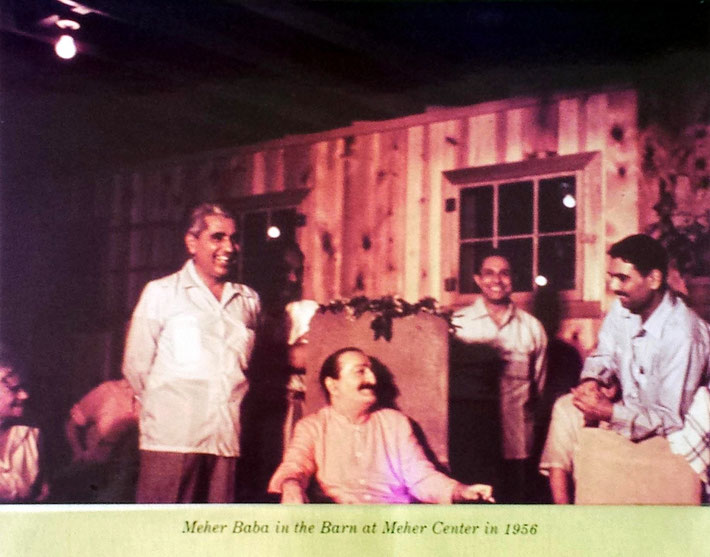
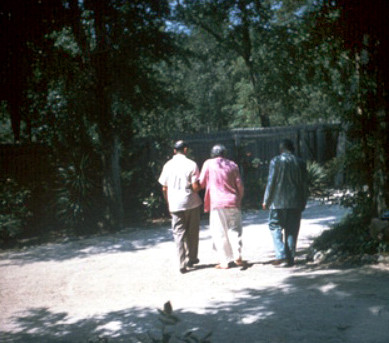
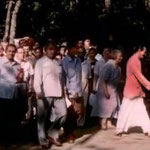
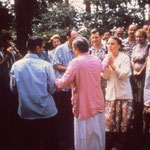
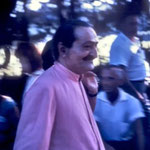
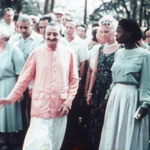
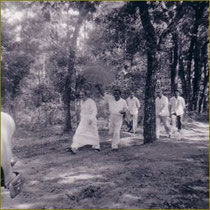
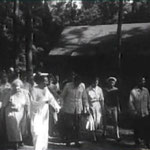
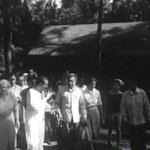
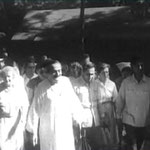
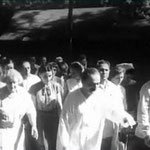
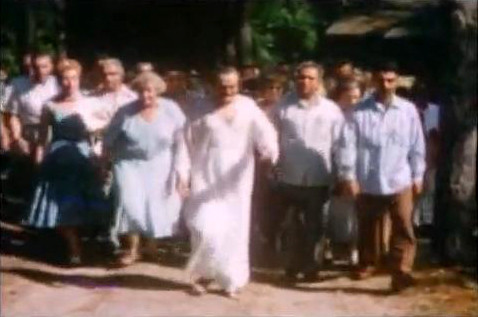
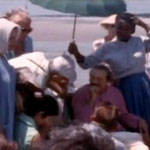
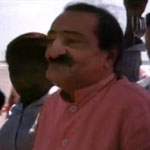
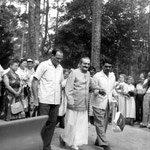
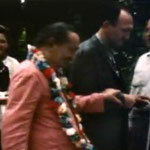
Meher Baba’s second visit to the Meher Center was in 1956, for six days at the end of July. During that stay Baba was radiant and full of vitality, walking throughout the Center, and engaging all those He met. Hundreds of people came to be with Him and the Center’s official dedication ceremony was held during an “open day”, on July 27.
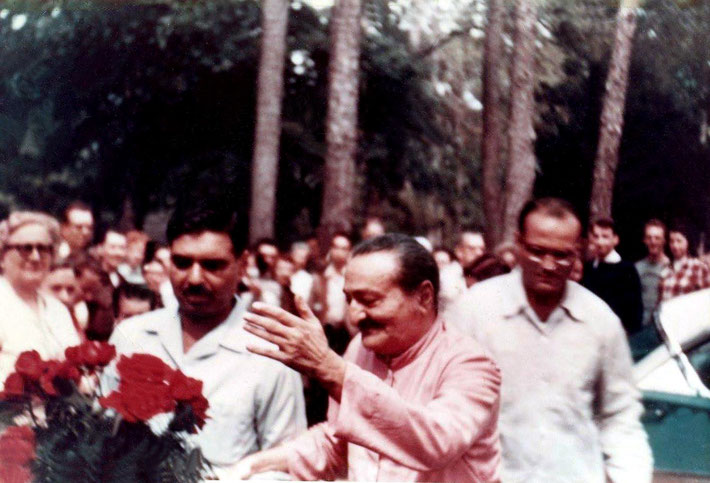
Meher Baba’s third visit to Meher Center, for eleven days in May, 1958, was noticeably different from His previous two visits. Due to a painful hip injury, Baba required assistance when walking even short distances, and most of the time He was carried in a chair or driven around the Center in a car. Before He departed the Center, Meher Baba told those gathered around Him that this would be His last visit. Elizabeth Patterson recalled that this statement prompted her to ask Baba, “Then who can come to the Center and stay here?” and He responded, “All those who love and follow me, and those who know of me and want to know more.”
In an 1977 interview, Elizabeth described Meher Center’s unique legacy: “The Center was a beautiful place of nature before Baba came. But after He came, it has a ‘plus’ quality that’s indescribable. It’s spiritual.”
Early devotees came to Meher Spiritual Center to meet Meher Baba, many for the first time, and to have His “darshan” (auspicious sight) when He was here in the 1950s. Since that time the Center has continued to draw many thousands of pilgrims over the years. Meher Spiritual Center remains, as Meher Baba said it would, a place where He stays and is at home, where all can come to meet Him; a “place of pilgrimage for all time” imbued with His presence and inspired by His remembrance.
Courtesy of the Meher Sp. Center website.
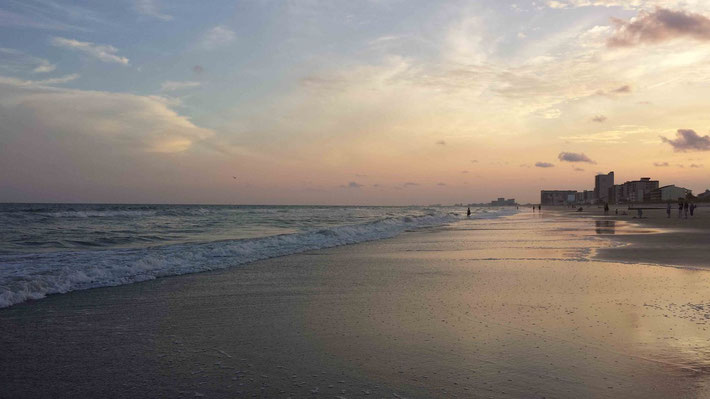


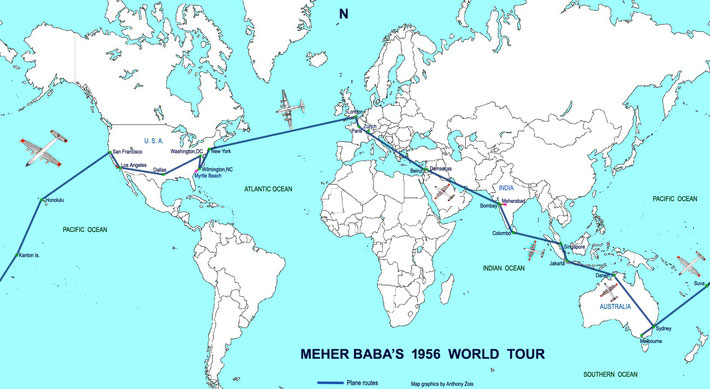
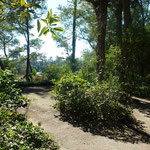
Meher Spiritual Center

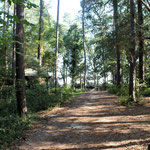
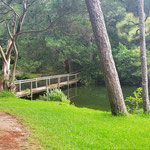
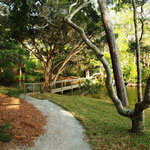
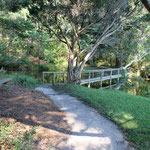
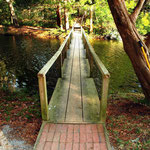
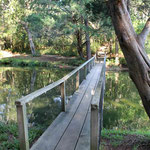
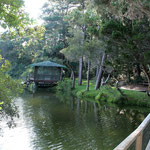
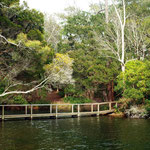
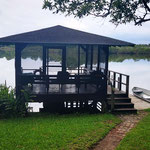
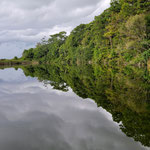
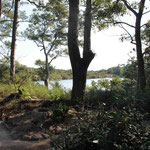
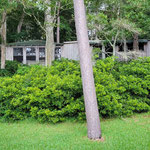
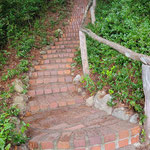
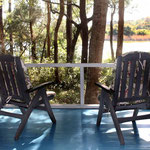
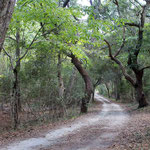
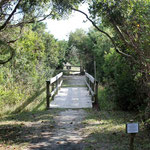
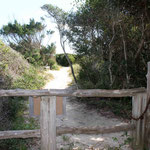
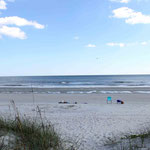
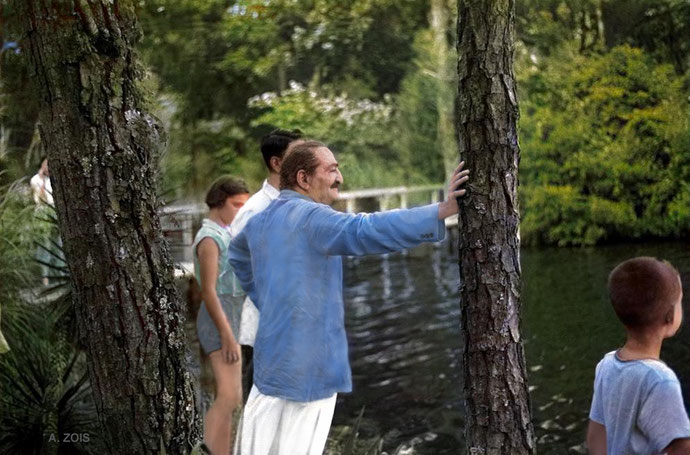
The following photos of the Myrtle Beach Spiritual Centre property were taken by
Sher DiMaggio Zois ( 2011 )
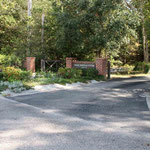


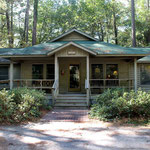











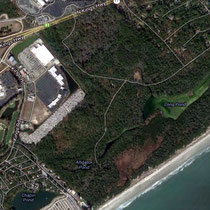

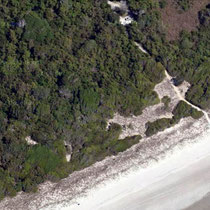
Courtesy of Google Maps



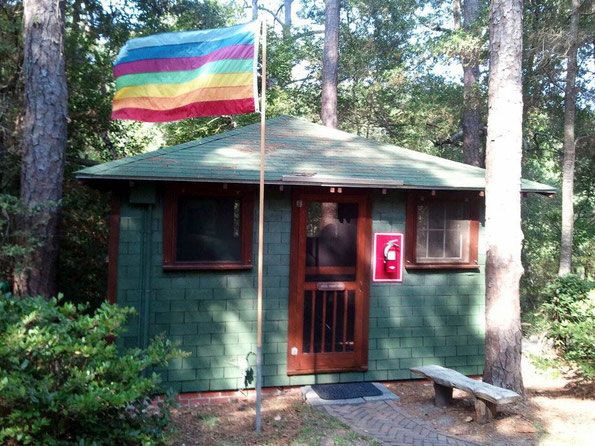
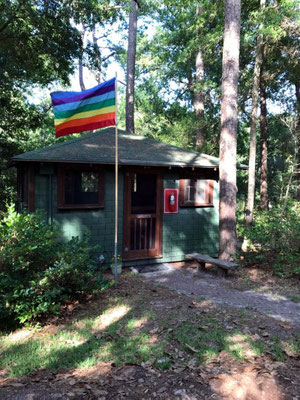
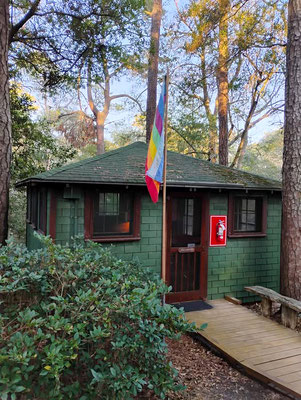
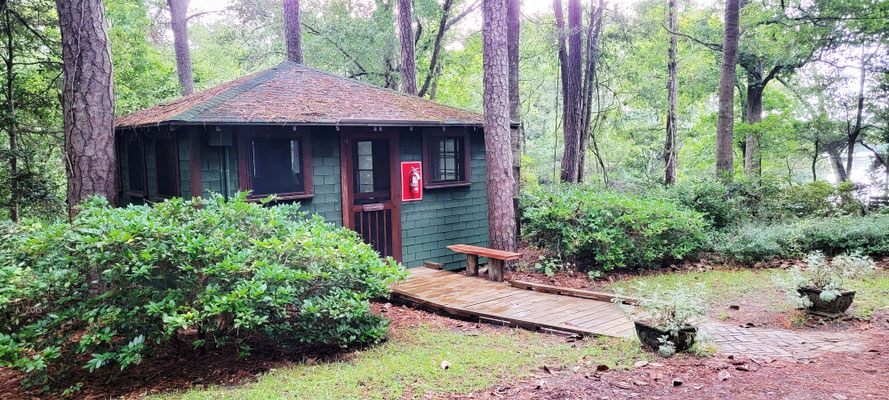
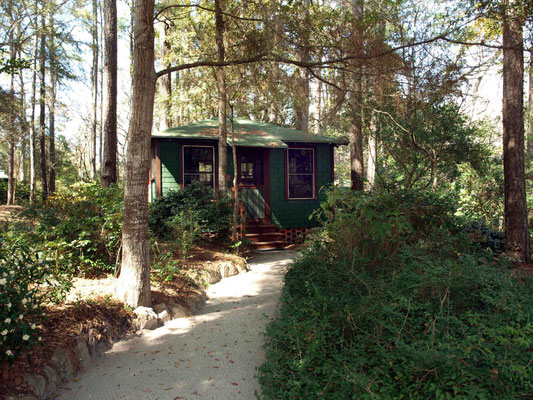
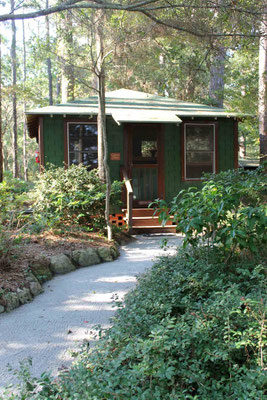
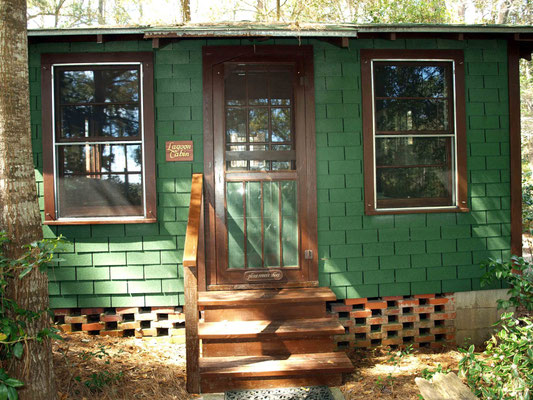
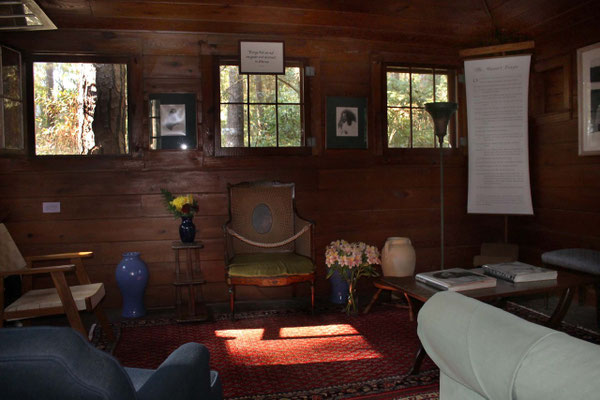
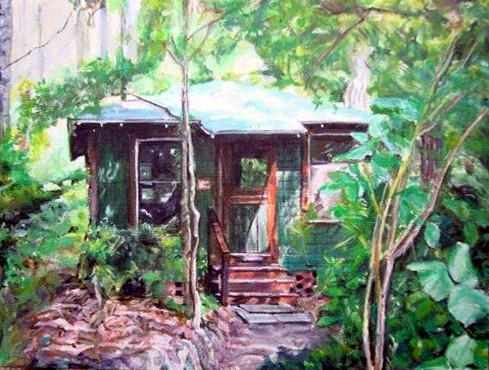
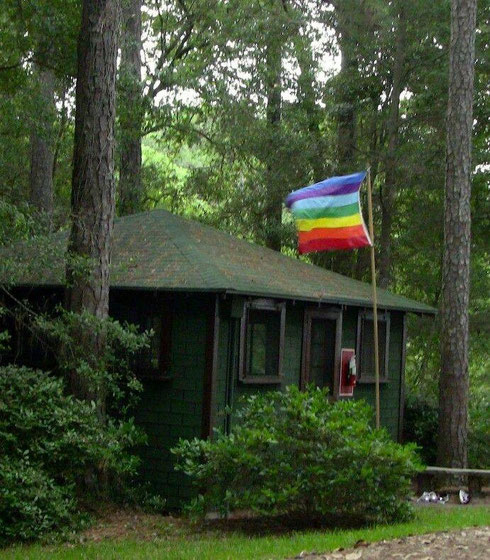
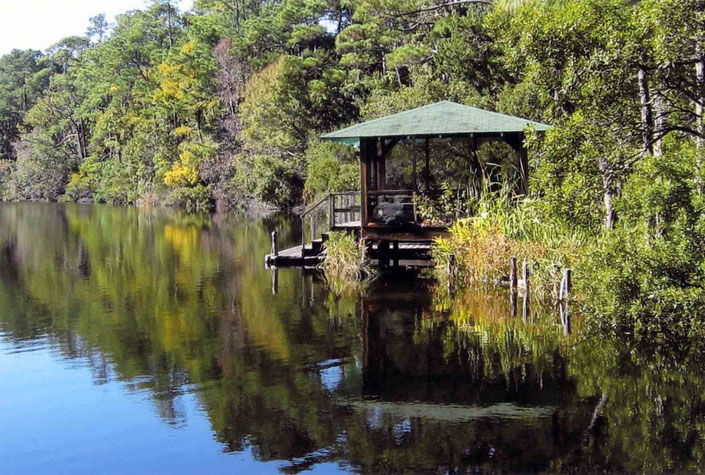
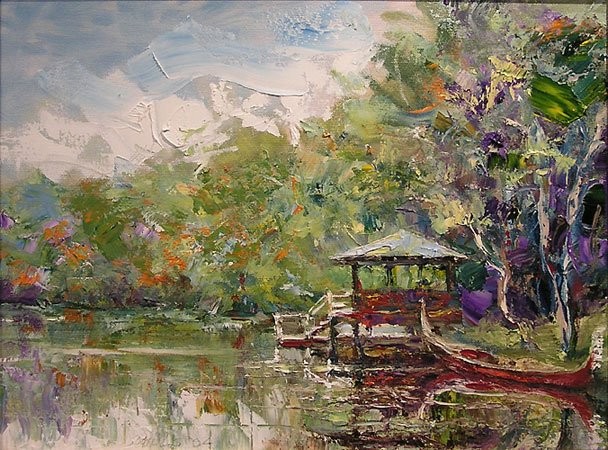
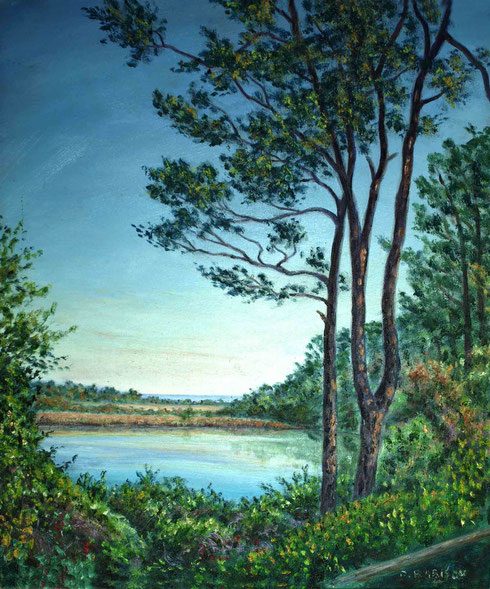
LAGOON CABIN

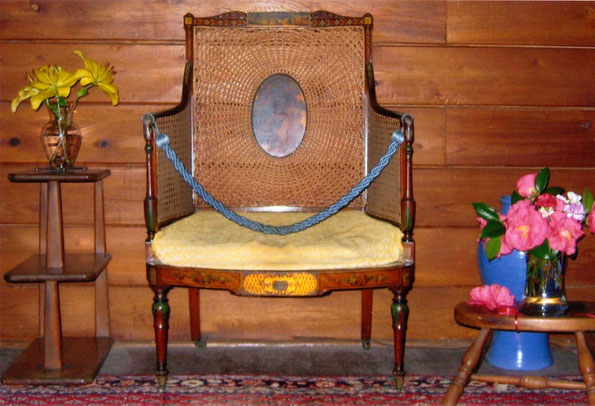





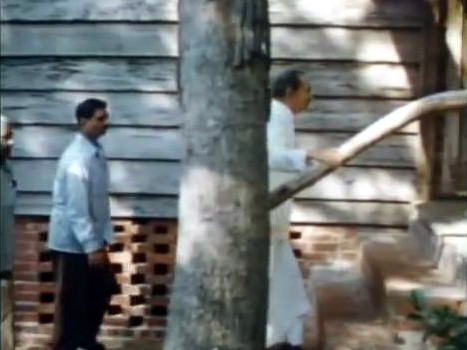
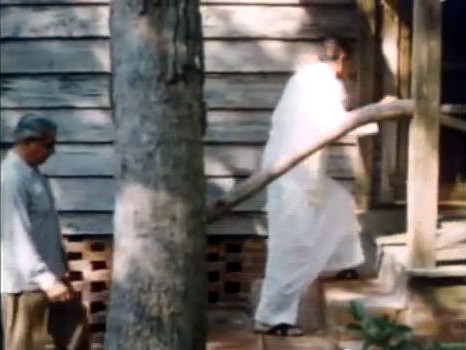
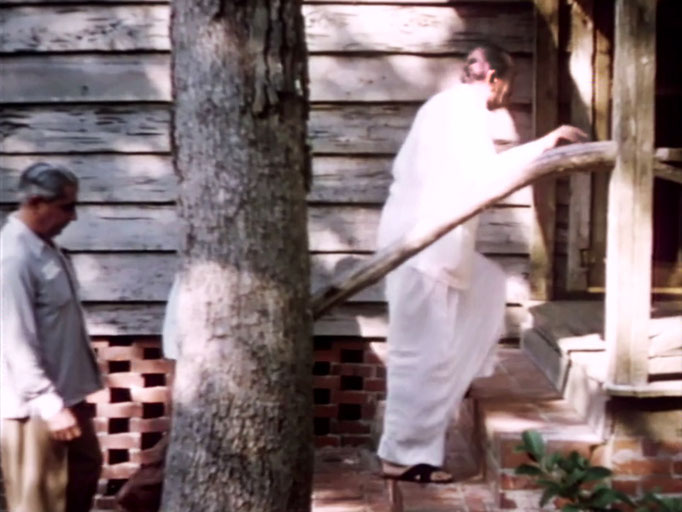
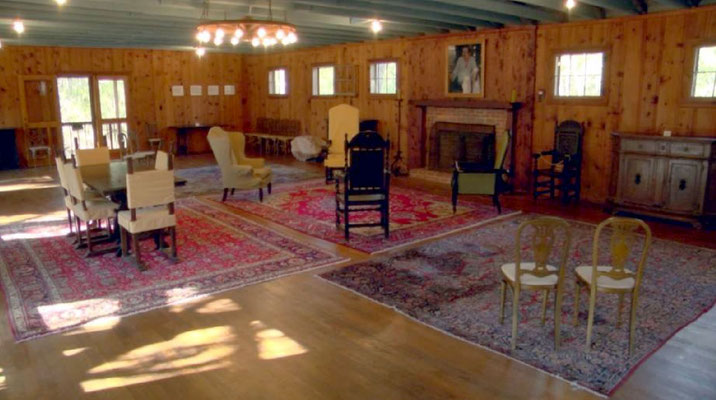
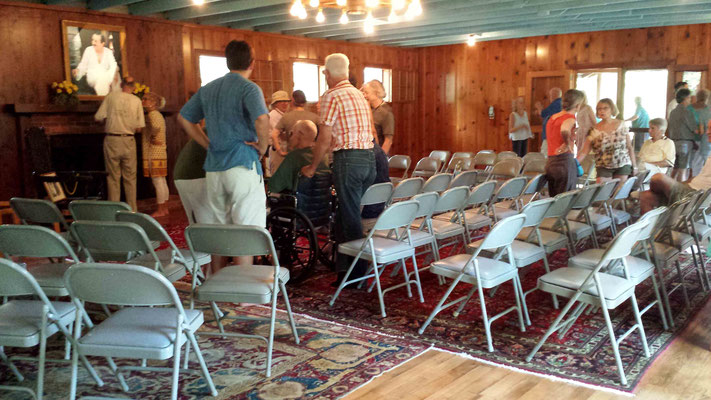
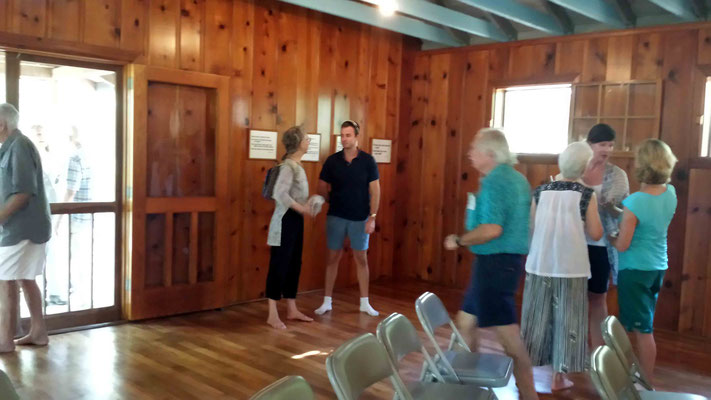
THE BARN
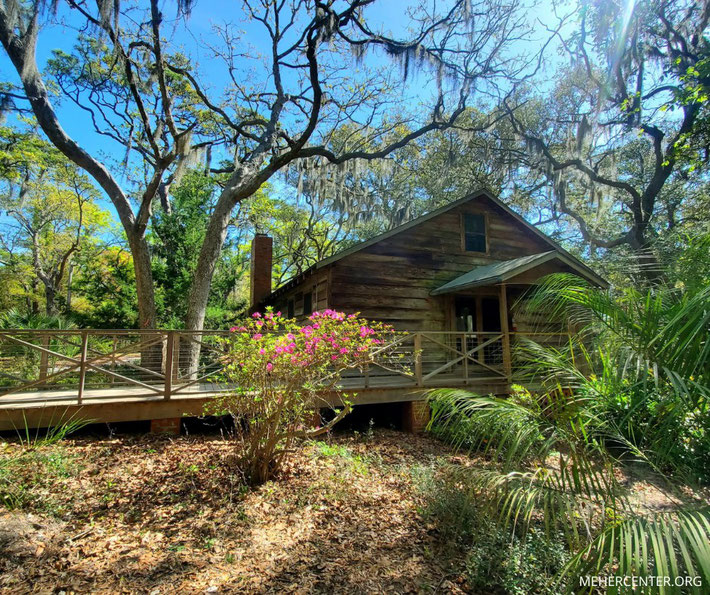
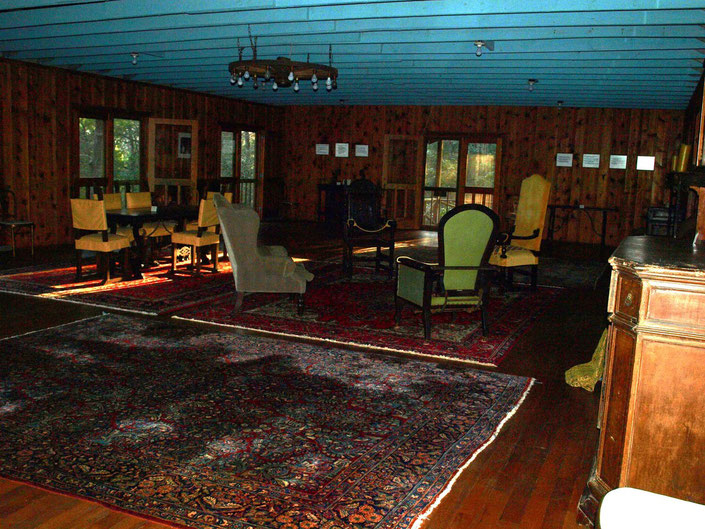
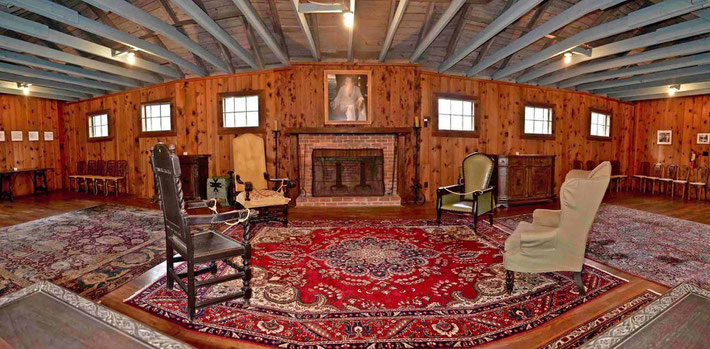
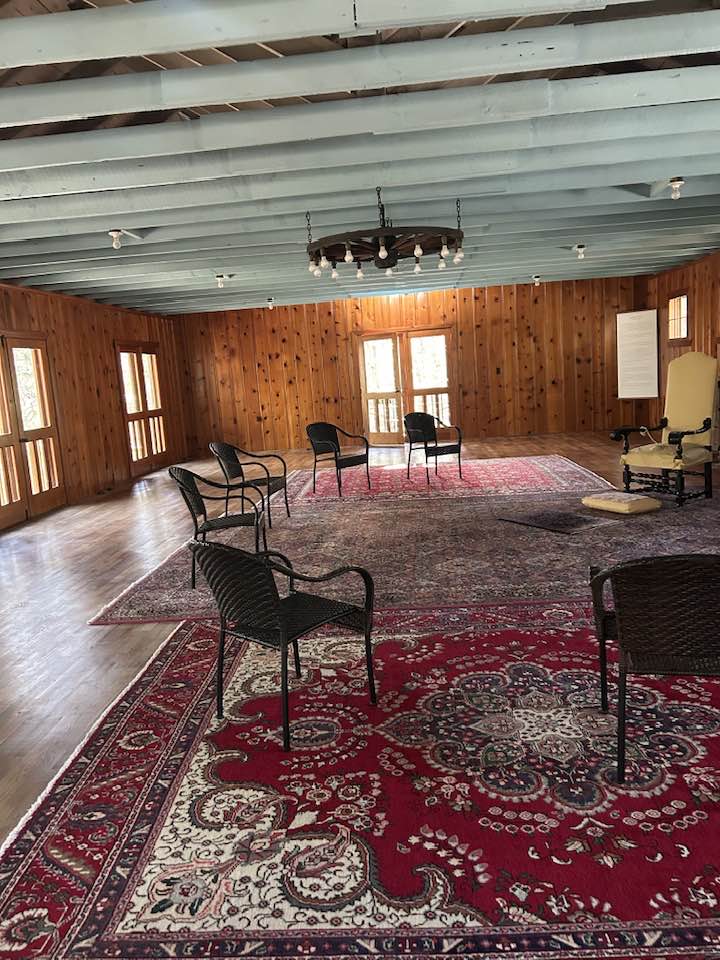
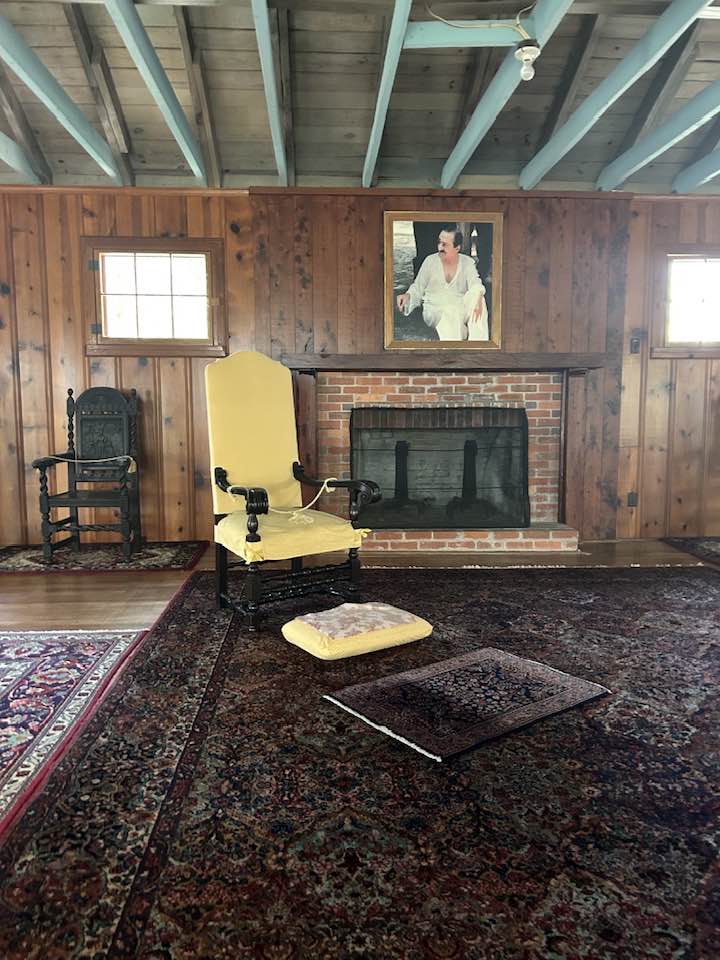
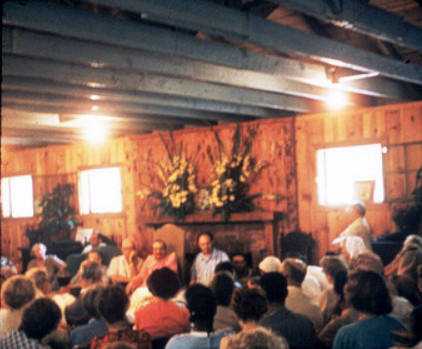






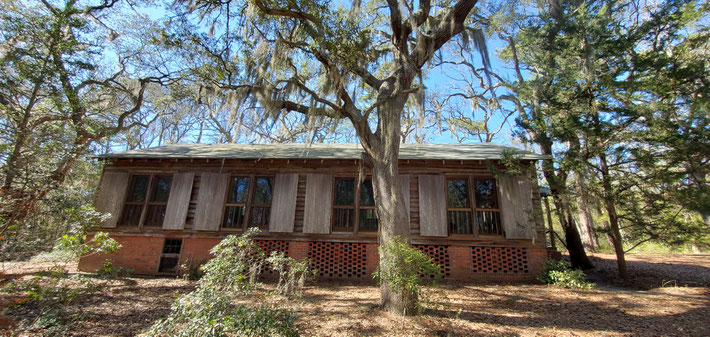


September 2016
Dedication ceremony on the newly restored Barn in late 2016

BOAT HOUSE


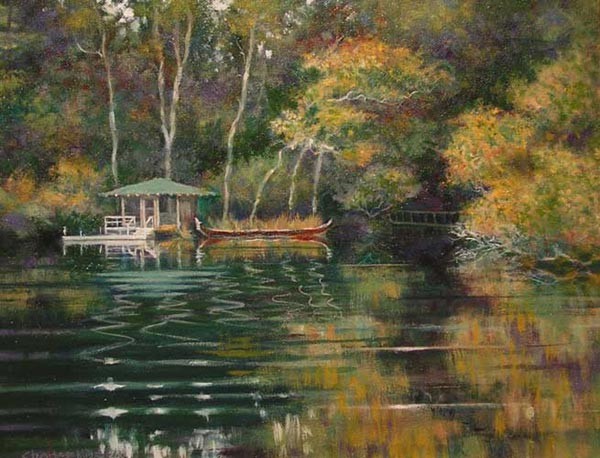
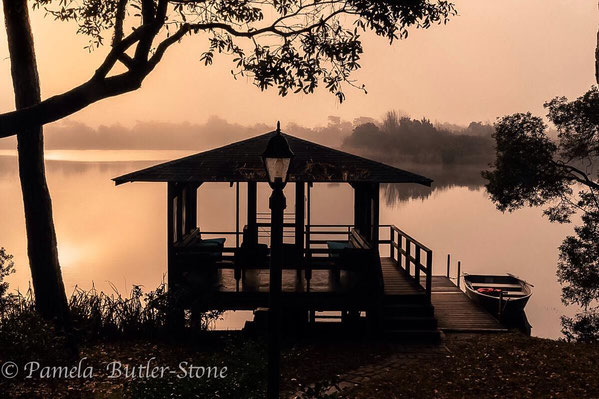
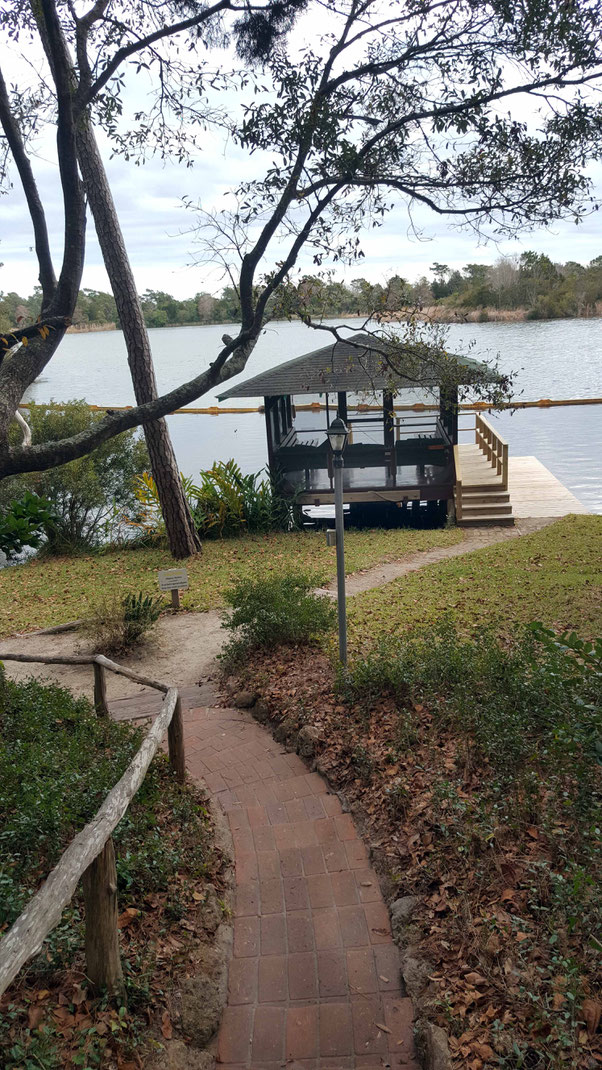
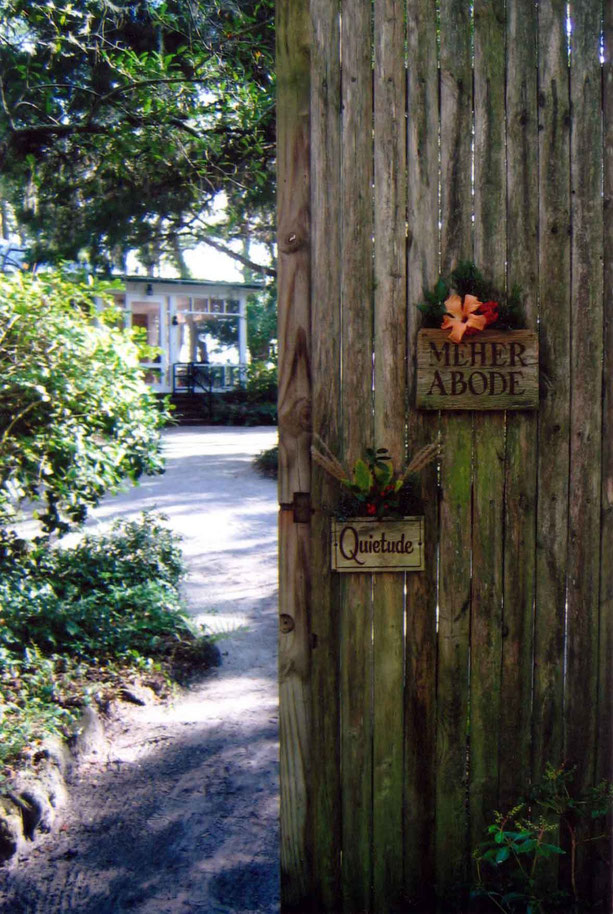
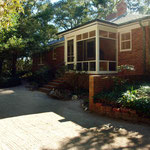
MEHER ABODE - Baba's House



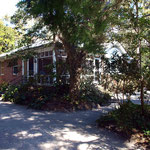
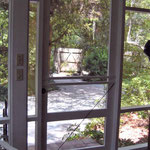
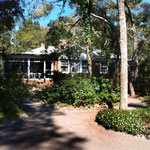
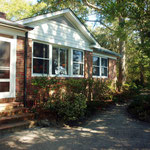







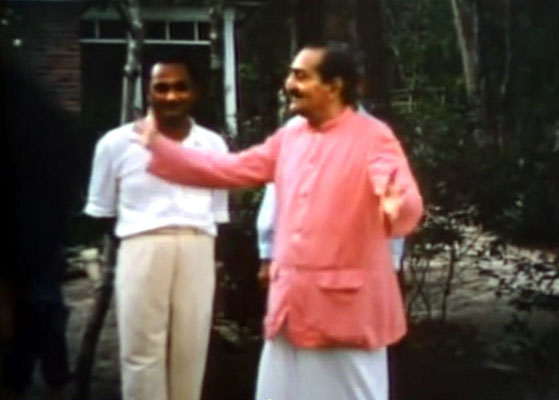

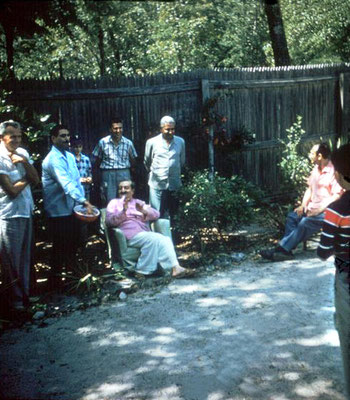
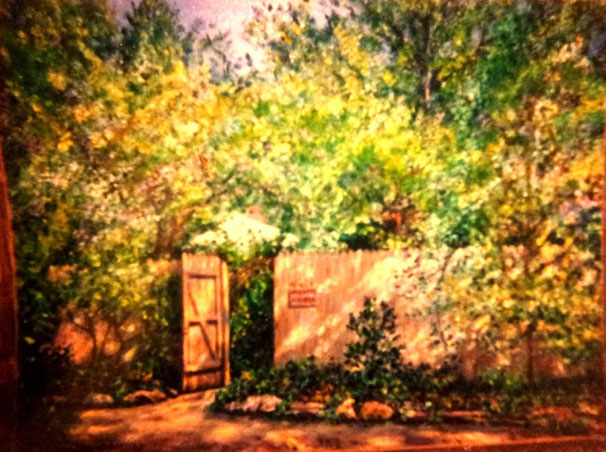

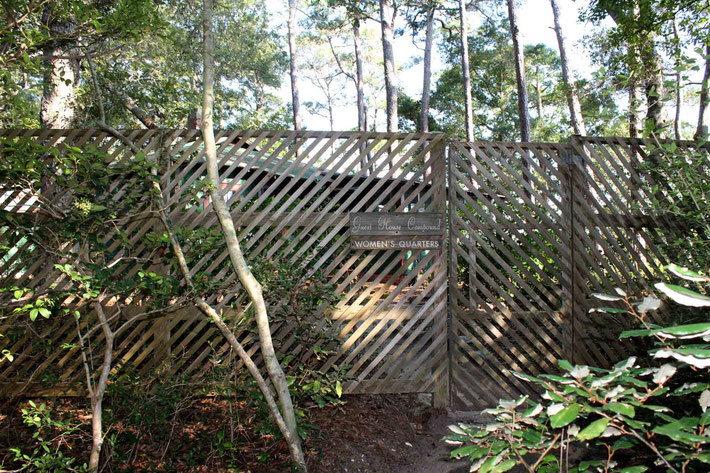
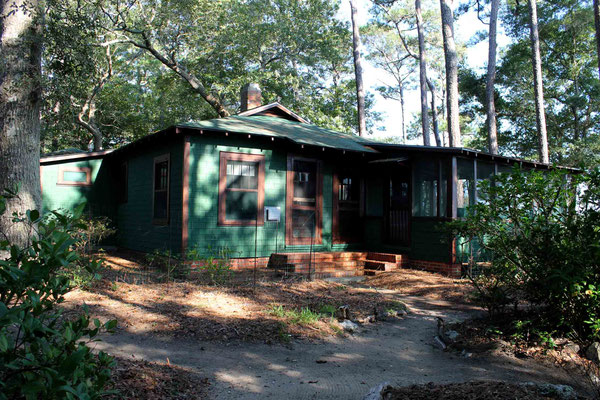
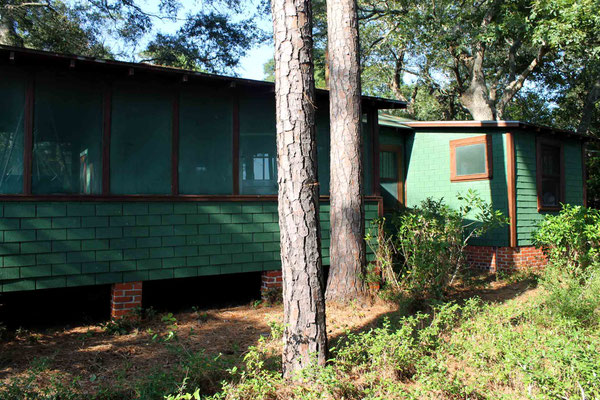
THE GUEST HOUSE (WOMEN'S QUARTERS)


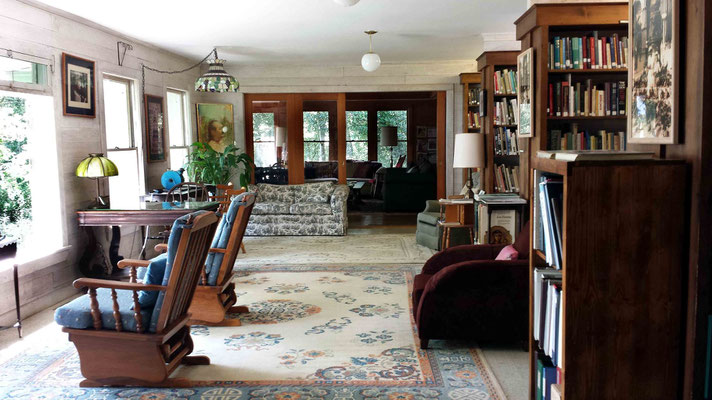
THE LIBRARY & READING ROOM

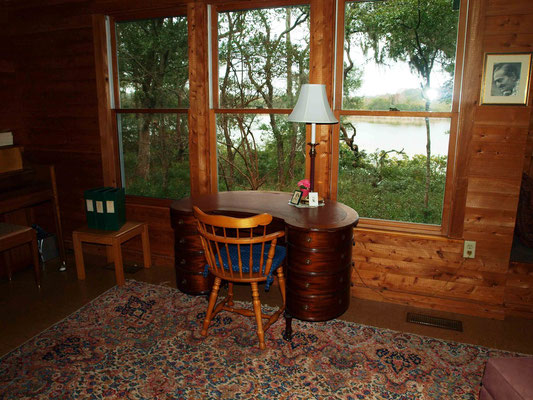


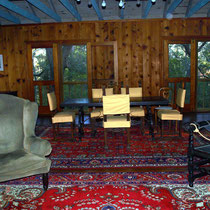
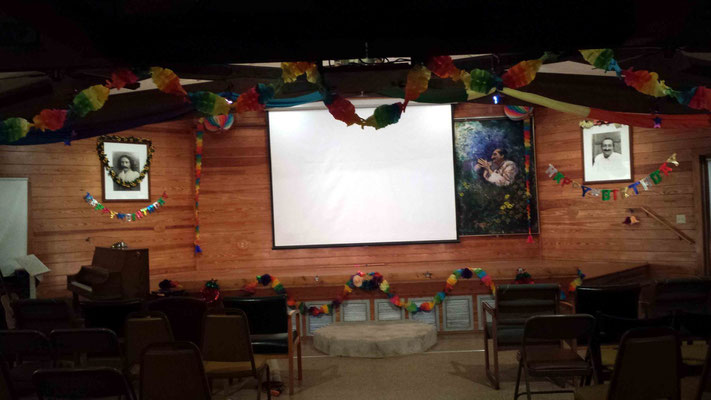
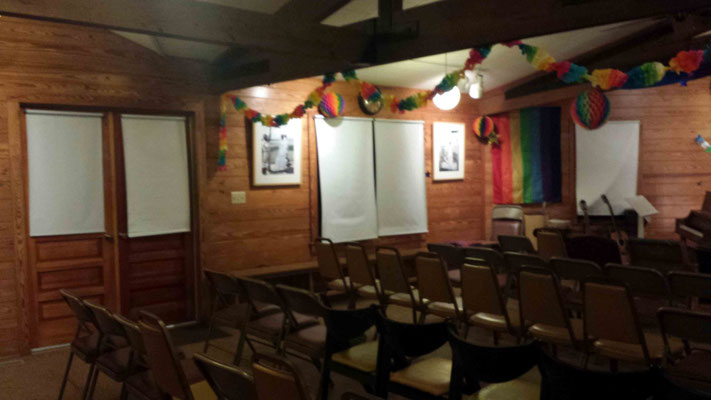
THE MEETING PLACE


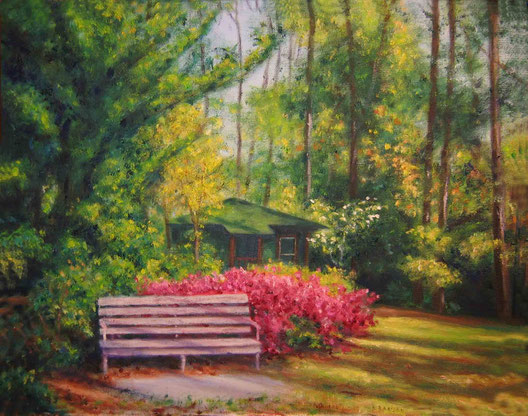
DILRUBA


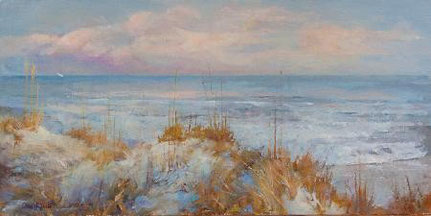
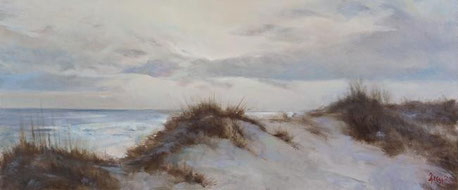
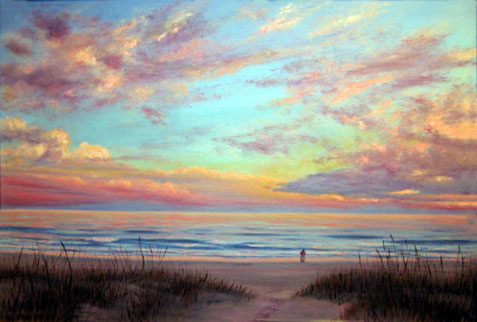
Sand dunes and the Beach

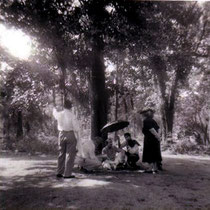
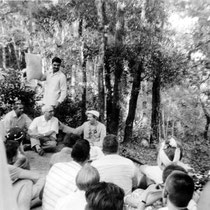
1956

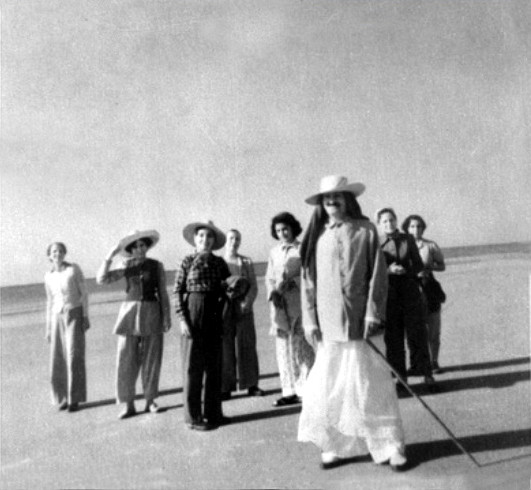








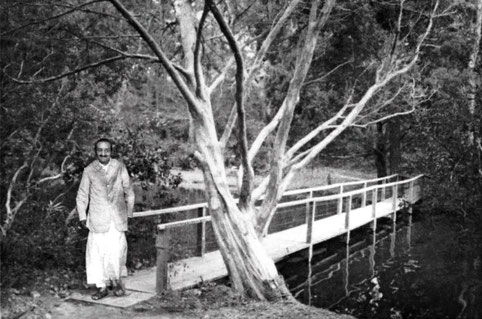
NOTE :This image is a composite of two images.
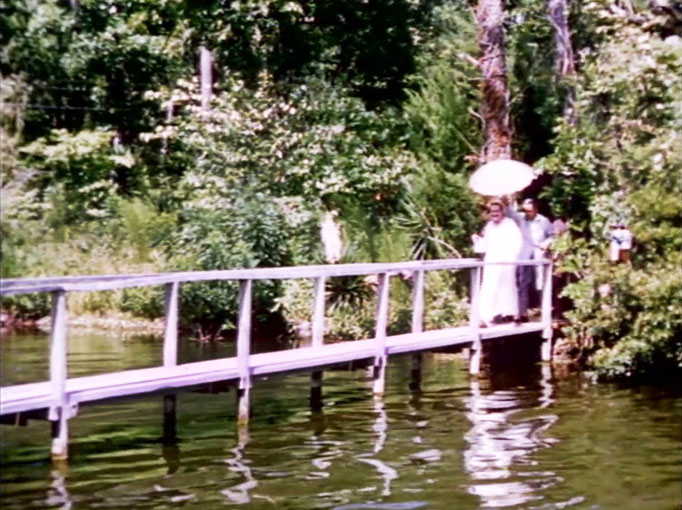
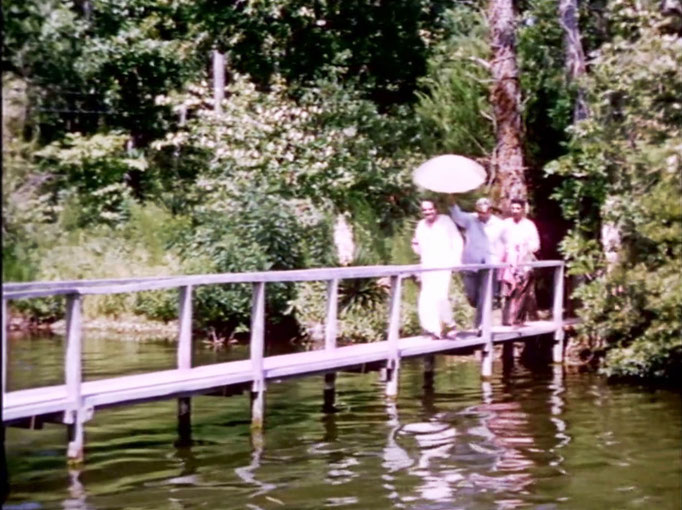
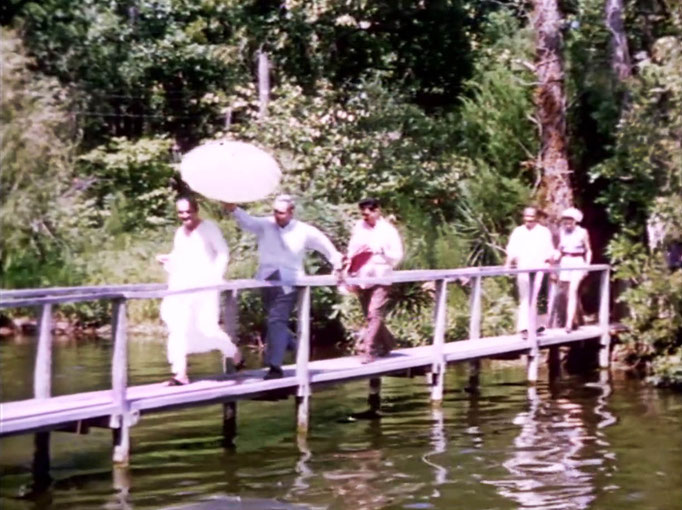
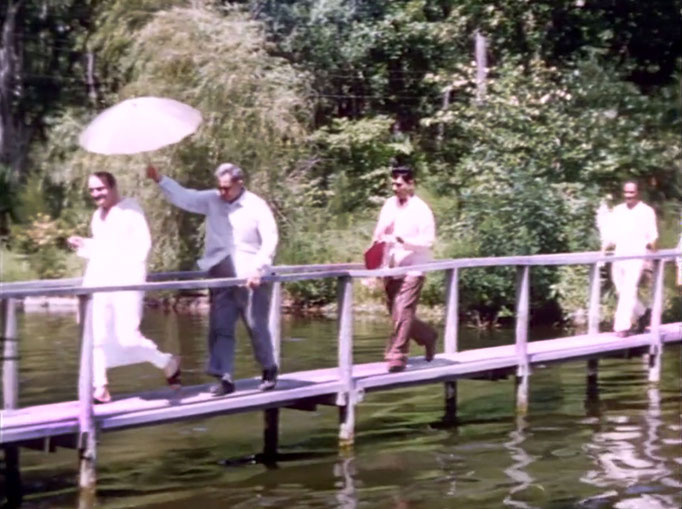
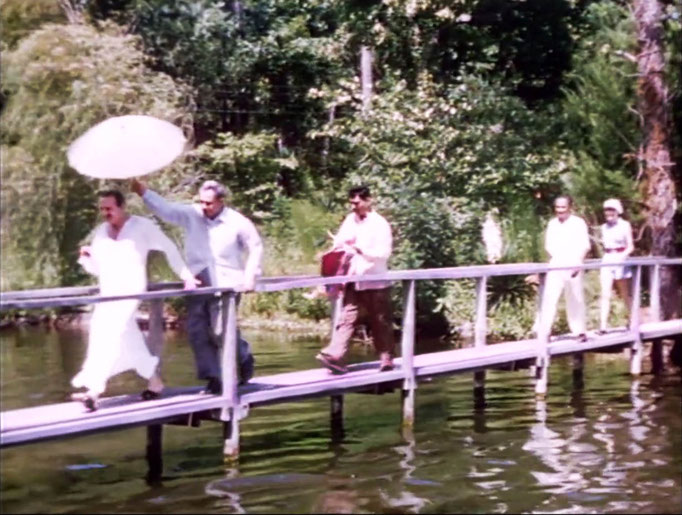
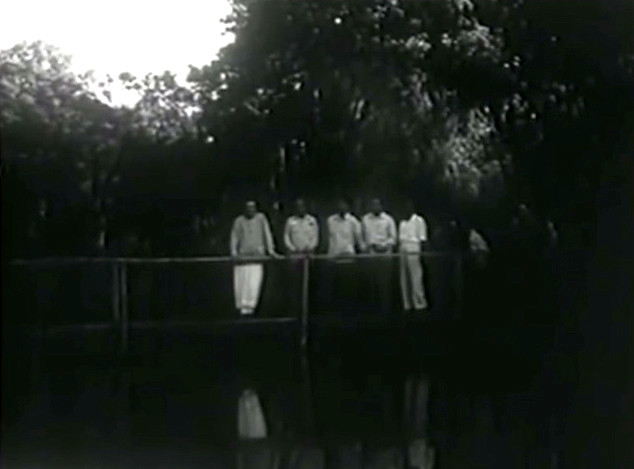
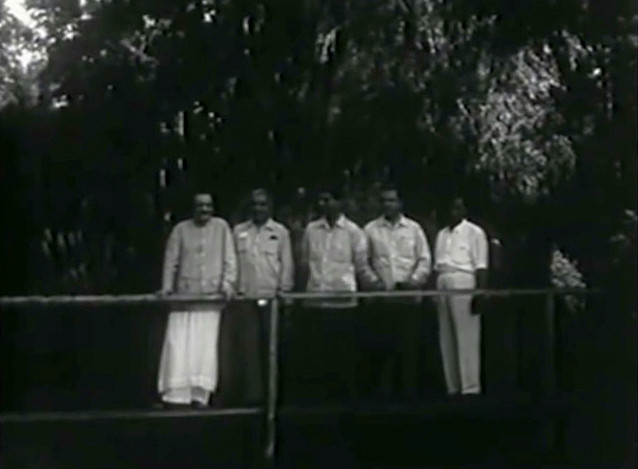
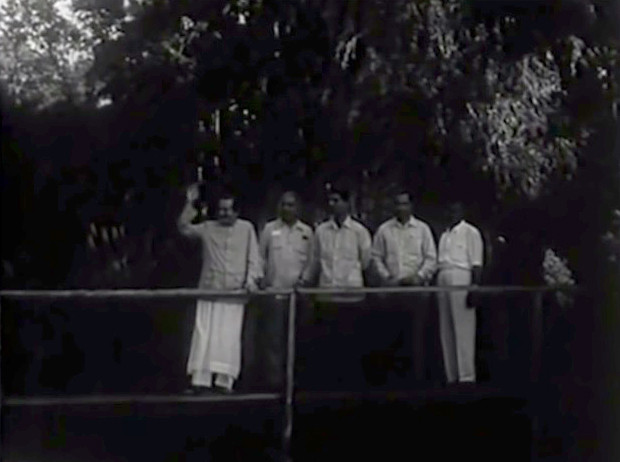
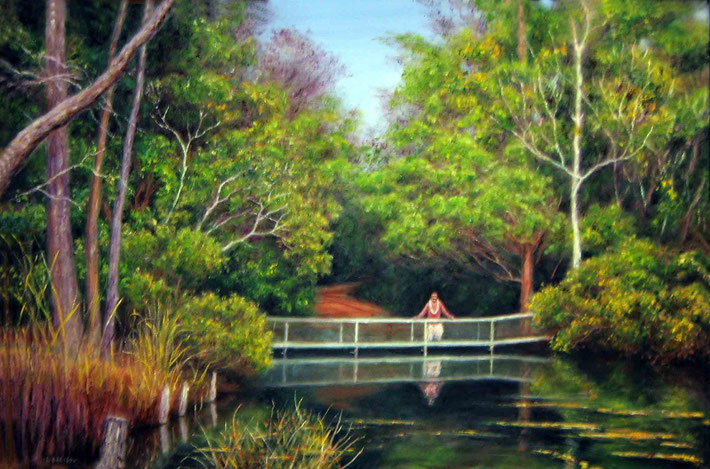
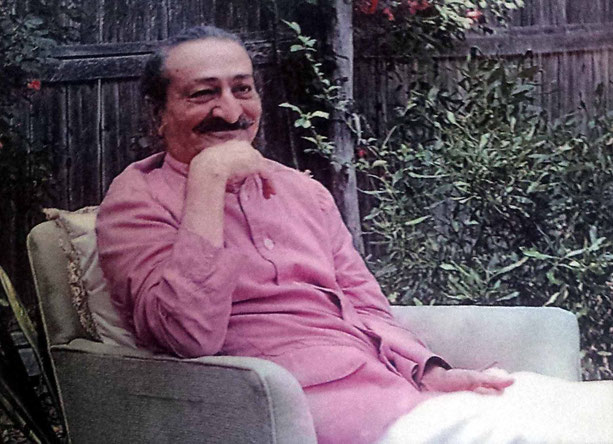
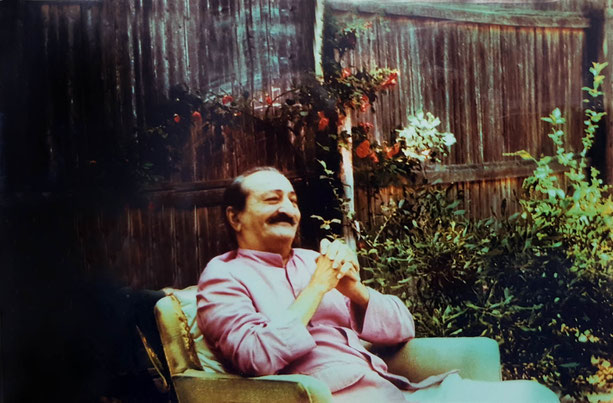
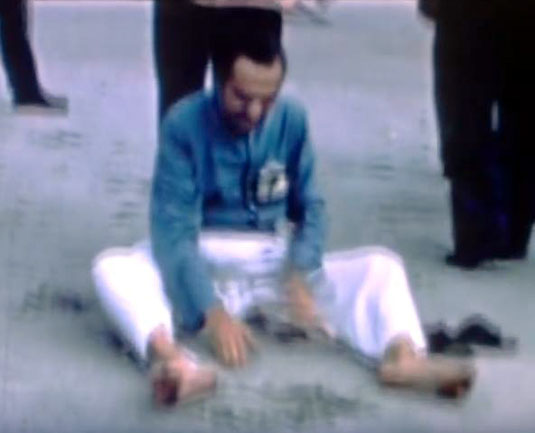
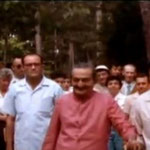
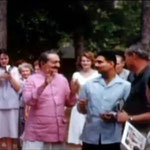
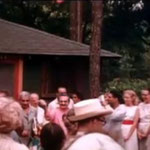
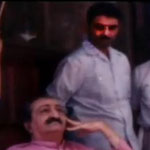
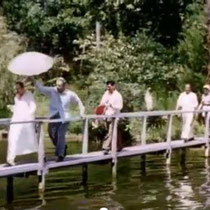
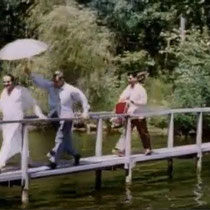
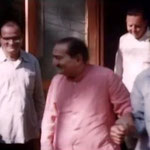
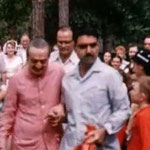
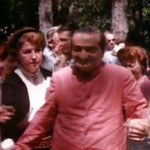
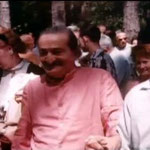
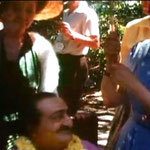
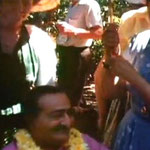
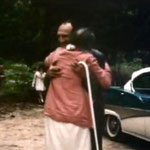
Avatar Meher Baba around 1950s. This is the bridge at the Meher Spiritual Center in Myrtle Beach, and the protective wire was added in the 1990s.
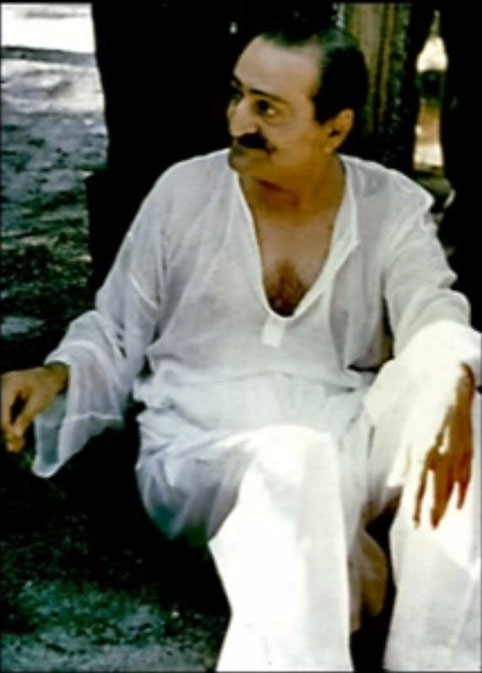
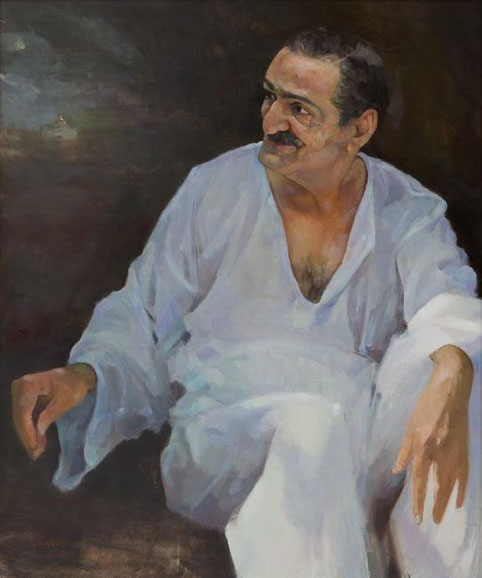
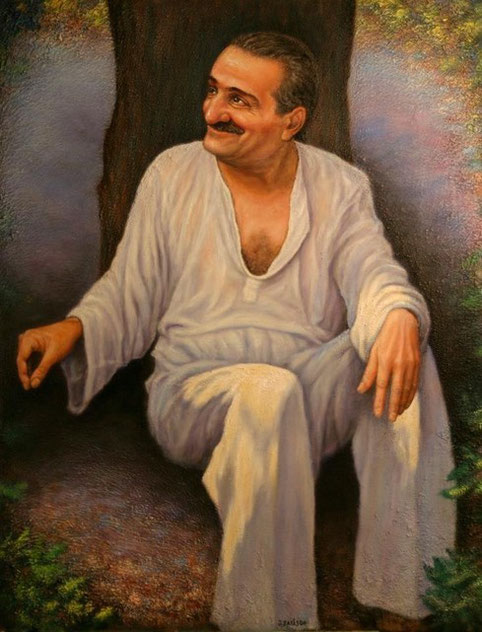

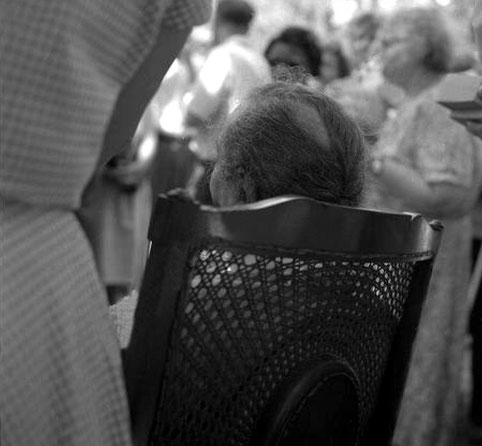

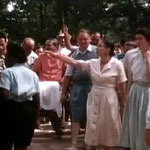
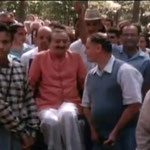
MYRTLE BEACH - 1956
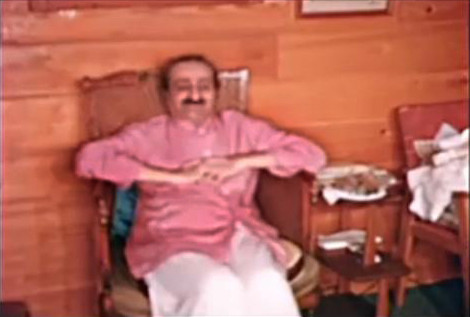

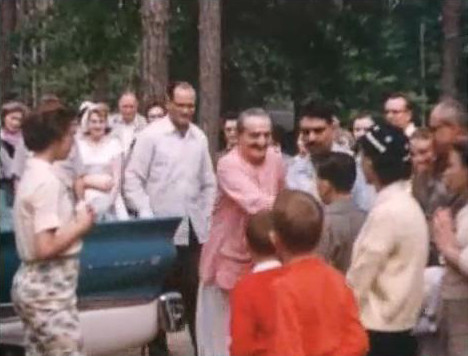


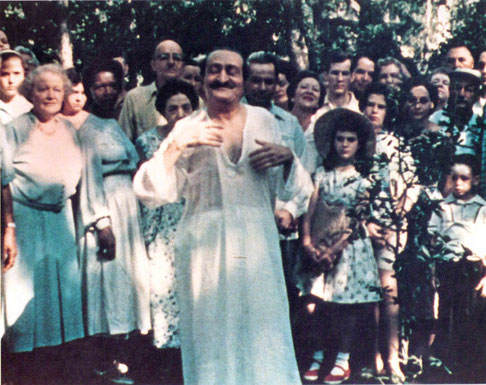
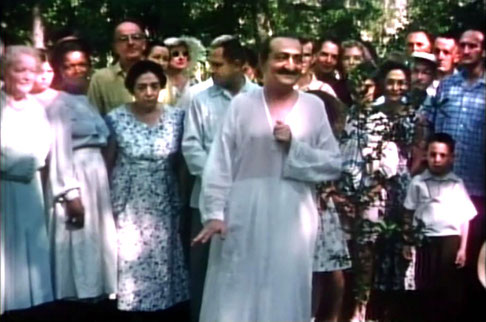
1956
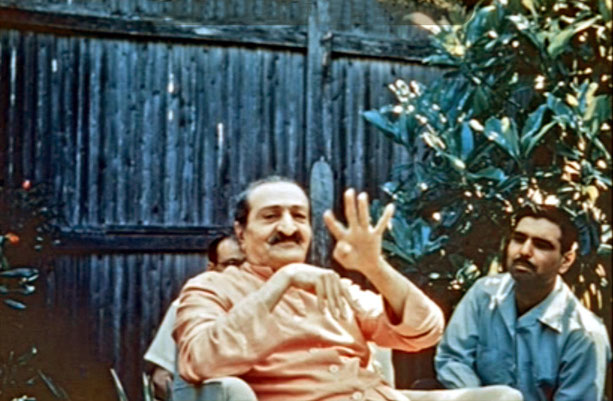
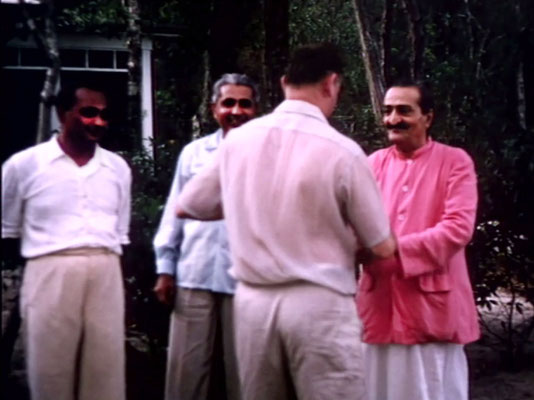
Courtesy of "God Alone Is" - video
























The history of Burroughs & Chapin Company in Horry County and Myrtle Beach began more than 150 years ago with the arrival of Franklin G. Burroughs in nearby Conway. An enterprising young man, he soon established successful building, mercantile, turpentine and other business ventures there. And as his businesses grew, the town flourished as a primary destination on the Waccamaw River.
After service in the Civil War, Burroughs returned to Conway and with his new partner, Benjamin Grier Collins, expanded the company's commercial interests into timber, farm credit, consumer goods and riverboats. His turpentine manufacturing business grew to be one of the largest in the country, and riverboats such as the “F.G. Burroughs” linked Horry County to the rest of the world.
A true visionary, Franklin Burroughs foresaw that one day the beaches of the Grand Strand would grow to rival the then-famous northern resort destinations of Coney Island and Atlantic City. He died in 1897 before his efforts to link the beach, via railroad, to the rest of the world were realized. In pursuit of their fathers' dreams, the sons of Burroughs and Collins completed the railroad and built the Seaside Inn in 1901, the first oceanfront hotel in Myrtle Beach. It was followed by a bathhouse and a wooden pavilion around which beach houses were constructed. By 1907, the “New Town” by the sea, as Myrtle Beach was then called, had become a popular vacation spot. Beachfront cottage lots sold for $25 each. When a contest was eventually held to name the new beach resort, Burroughs' widow, Miss Addie, suggested “Myrtle Beach” for its proliferation of wild wax myrtle bushes.
In 1912, Simeon B. Chapin, son of a prominent Chicago merchant, joined with the Burroughs family to form Myrtle Beach Farms Company. Known for his philanthropy and keen business sense, Chapin shared the belief that Myrtle Beach and the Grand Strand offered unlimited potential for future growth. His financial resources and business experience, coupled with the Burroughs' vast real estate holdings, provided for a period of sustained economic growth.
As Myrtle Beach began to take shape, Myrtle Beach Farms Company nurtured the community's growing need for roads, schools, churches, hospitals and parklands with a sense of commitment and pride.
In 1990, Myrtle Beach Farms Company and Burroughs & Collins Company merged to form Burroughs & Chapin Company, Inc. with land holdings throughout Horry County. The commitments to accomplishing planned, quality growth and giving back to the community that were established so long ago by Franklin G. Burroughs and Simeon B. Chapin continue today.