
 Meher Baba's Life & Travels






1924
After further conversation with the Master, the Shiite man told Baba that if his sect believed in guru-disciple relationships, he would surely have accepted him as his Master. After this, the argument between the brothers-in-law became so heated that they swore they would part company in Baghdad, where they had originally planned to begin their pilgrimage together to Mecca.
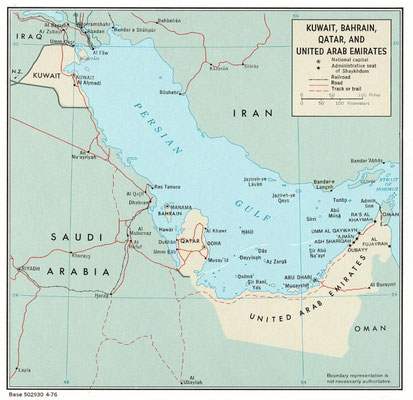
The sea was calm as the boat steamed into the Persian Gulf, but a freezing, shiver-inducing cold storm swept over them after leaving the port of Bahrain. By the time they reached the port of Bushire, Baba, who until then had been quite well, also suffered nausea.
OCTOBER 24, 1936
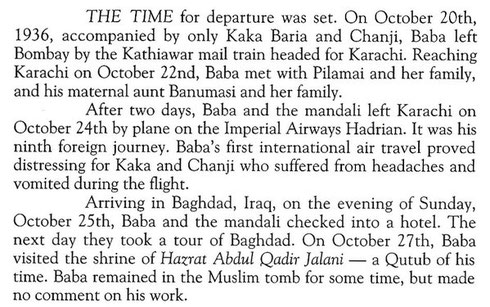
Courtesy of Lord Meher ; Bhau Kalchuri - Vol.6-7 : p 2041 ( 1st Edition )
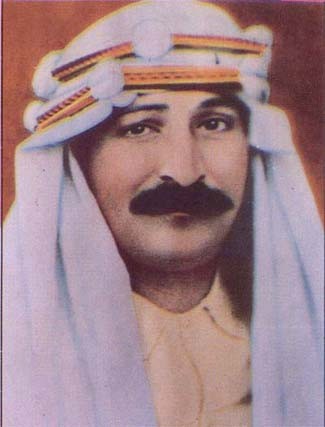


OCTOBER 24, 1936
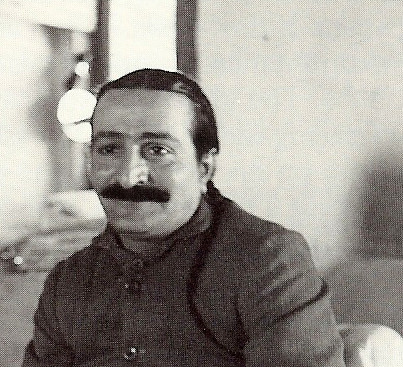
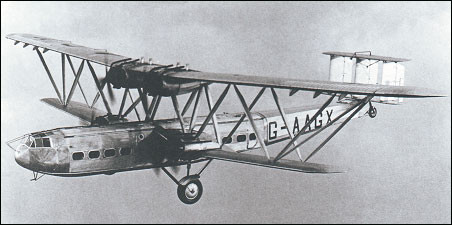
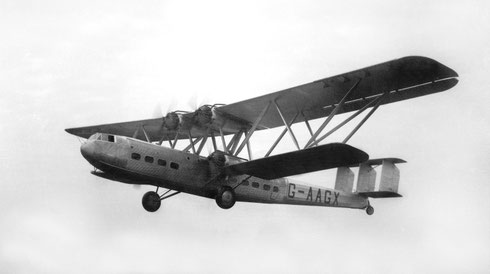
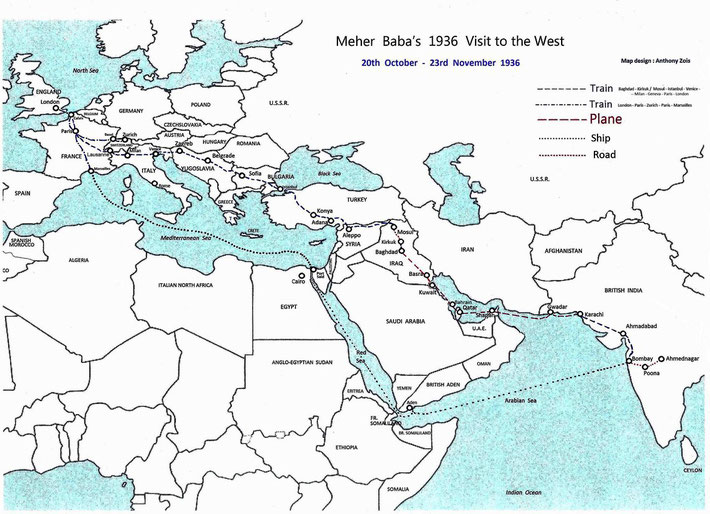
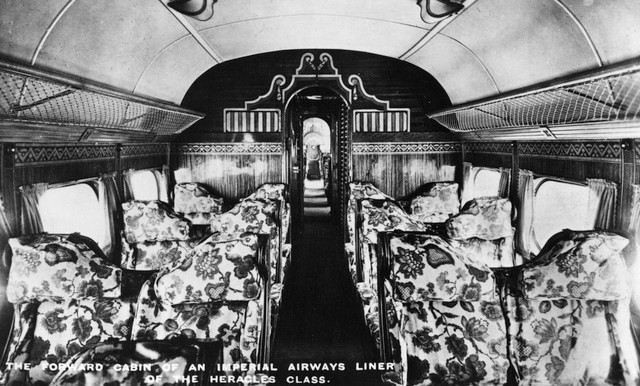
Baba and the mandali left Karachi on the 24th on the 24-seat Imperial Airways Hadrian biplane. It was his ninth foreign journey. Baba's first international air travel proved distressing for Kaka and Chanji who suffered from headaches and vomited during the flight, due to severe turbulence from Bahrain to Basra.
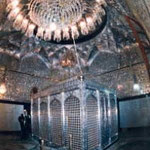
Arriving in Baghdad on the evening of Sunday, 25 October, Baba and the mandali checked into a hotel. The next day they took a tour of Baghdad. On the 27th, Baba visited the shrine of Hazrat Abdul Qadir Gilani — a Sufi Perfect Master of his time. Baba remained in the Muslim tomb for some time, but made no comment on his work.
| Lord Meher Page 1739 ( 2nd Edition ) |

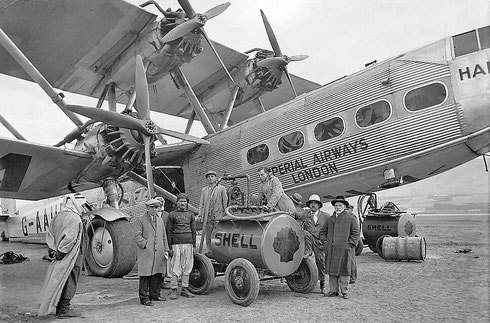
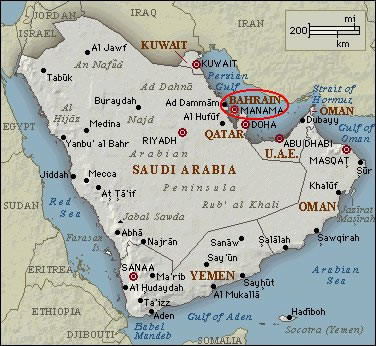
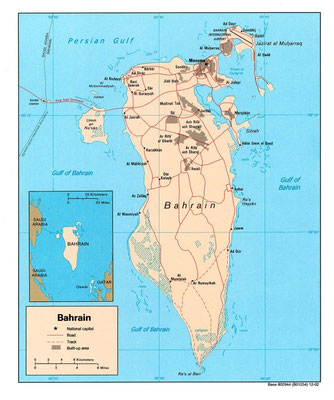
The route that the plane took was from Karachi - Gwadar, Muscat, Oman - Sharjah, U.A.E. - Bahrein - Kuwait - Basra, Iraq - Baghdad, Iraq.
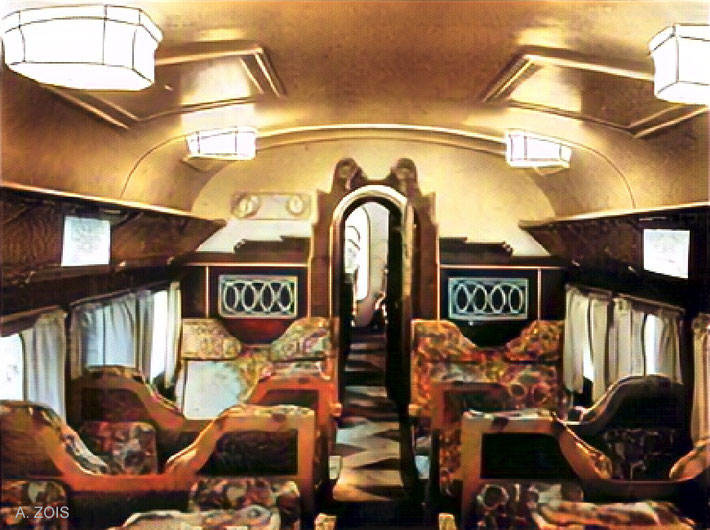
The plane Meher Baba and his men flew in was called the "Hadrian" - one of 8 plane in the Hadley-Page Imperial Airways fleet.
Each plane was given a name.
The price to fly between Karachi and Baghdad was over 30 English
pounds
Click below to learn about the plane flown
http://www.meherbabatravels.com/air-travels/hadrian-hp42-handley-page-1936/


Courtesy of Wikipedia
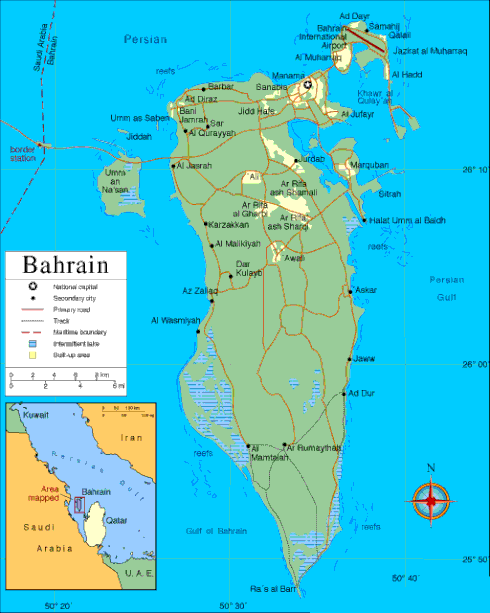
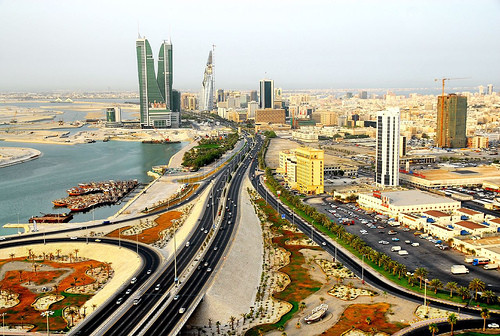
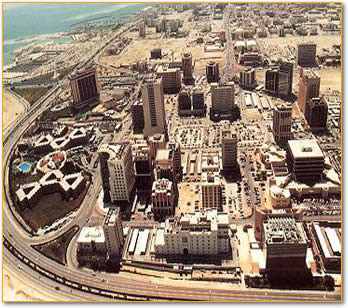
Bahrain, officially Kingdom of Bahrain (Arabic: مملكة البحرين, Mamlakat al-Baḥrayn, literally: "Kingdom of the Two Seas"), is a small island country in the Persian Gulf ruled by the Al Khalifa royal family. While Bahrain is an archipelago of thirty-three islands, the largest (Bahrain Island) is 55 km (34 mi) long by 18 km (11 mi) wide. Saudi Arabia lies to the west and is connected to Bahrain via the King Fahd Causeway, which was officially opened on 25 November 1986. Qatar is to the southeast across the Gulf of Bahrain.
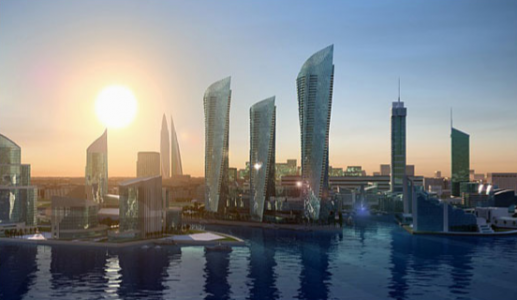
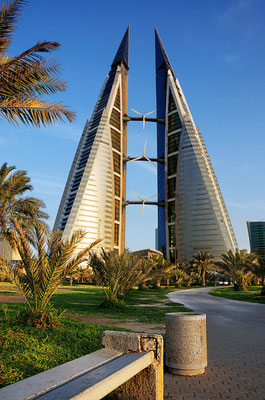
The planned Qatar Bahrain Causeway will link Bahrain and Qatar as the longest fixed link in the world. Bahrain is also known for its oil and pearls. The country is also the home of many popular structures such as the Bahrain World Trade Center and the Bahrain Financial Harbour, and also the home of many skyscrapers, including the proposed 1,022 m (3,353 ft) high supertall Murjan Tower. The Bahrain International Circuit is also located here, and is the place where the popular Bahrain F1 Grand Prix takes place.
|
Kingdom of Bahrain
مملكة البحرين
Mamlakat al-Baḥrayn |
||||||
|---|---|---|---|---|---|---|
|
||||||
| Anthem: Bahrainona | ||||||

|
||||||
|
Capital (and ) |
Manama 26°13′N 50°35′E / 26.217°N 50.583°E |
|||||
| Official language(s) | Arabic | |||||
| Demonym | Bahraini | |||||
| Government | Constitutional monarchy | |||||
| - | King | Hamad bin Isa Al Khalifah | ||||
| - | Queen | Sabika bint Ibrahim | ||||
| - | Crown Prince | Salman bin Hamad bin Isa Al Khalifa | ||||
| - | Prime Minister | Khalifah ibn Sulman Al Khalifah | ||||
| Independence | ||||||
| - | From Persia | 1783[1][2] | ||||
| - | From United Kingdom | December 16, 1971[3] | ||||
| - | Water (%) | 0 | ||||
| Population | ||||||
| - | 2008 estimate | 791,000[4] (159th) | ||||
| - | Density |
1,189.5/km2 (7th) 3,126.5/sq mi |
||||
| GDP (PPP) | 2009 estimate | |||||
| - | Total | $28.124 billion[5] | ||||
| - | Per capita | $27,068[5] | ||||
| GDP (nominal) | 2009 estimate | |||||
| - | Total | $20.214 billion[5] | ||||
| - | Per capita | $19,455[5] | ||||
| HDI (2007) | ▲ 0.895[6] (high) (39th) | |||||
| Currency |
Bahraini dinar (BHD)
|
|||||
| Time zone | (UTC+3) | |||||
| Drives on the | Right | |||||
| Internet TLD | .bh | |||||
| Calling code | 973 | |||||


Pre-Islamic

Bahrain is the Arabic term for "two seas", referring to the freshwater springs that are found within the salty seas surrounding it. Bahrain has been inhabited since ancient times. Its strategic location in the Persian Gulf has brought rule and influence from the Assyrians, Babylonians, Persians, and the Arabs, under whom the island became Islamic. Bahrain may have been associated with Dilmun which is mentioned by Mesopotamian civilizations.[7]
During its history it was called by different names such as Awal, then Mishmahig, when it was a part of the Persian Empire. From the 3rd to 6th century BC, Bahrain was included in Persian Empire by Achaemenian dynasty.[8] From the 3rd century BC to the arrival of Islam in the 7th century AD, Bahrain was controlled by two other Iranian dynasties of Parthians and Sassanids. By about 250 BC, the Parthian dynasty brought the Persian Gulf under its control and extended its influence as far as Oman.
Because they needed to control the Persian Gulf trade route, the Parthians established garrisons in the southern coast of Persian Gulf.[9] In the 3rd century AD, the Sassanids succeeded the Parthians and held the area until the rise of Islam four centuries later. Ardashir, the first ruler of the Iranian Sassanian dynasty marched forward on Oman and Bahrain, and defeated Sanatruq.[10] At this time, Bahrain incorporated the southern Sassanid province covering the Persian Gulf's southern shore plus the archipelago of Bahrain.[11]
The southern province of the Sassanid Empire was subdivided into the three districts of Haggar (now al-Hafuf province, Saudi Arabia), Batan Ardashir (now al-Qatif province, Saudi Arabia), and Mishmahig (which in Middle-Persian/Pahlavi means "ewe-fish").[12] Until Bahrain adopted Islam in 629 AD, it was a center of Nestorian Christianity.[13] Early Islamic sources describe it as being inhabited by members of the Abdul Qays, Tamim, and Bakr tribes, worshiping the idol Awal.
Islamic conversion and Portuguese control
In 899 AD, a millenarian Ismaili sect, the Qarmatians, seized the country and sought to create a utopian society based on reason and the distribution of all property evenly among the initiates. The Qarmatians caused disruption throughout the Islamic world; they collected tribute from the caliph in Baghdad, and in 930 AD sacked Mecca and Medina, bringing the sacred Black Stone back to their base in Ahsa, in medieval Bahrain where it was held to ransom. According to the historian Al-Juwayni, the Stone was returned twenty-two years later, in 951, under mysterious circumstances; wrapped in a sack, it was thrown into the Friday mosque of Kufa accompanied by a note saying "By command we took it, and by command we have brought it back." The Black Stone's abduction and removal caused further damage, breaking the stone into seven pieces.[14][15][16]
The Qarmatians were defeated in 976 AD by the Abbasids.[17] The final end of the Qarmatians came at the hand of the Arab Uyunid dynasty of al-Hasa, who took over the entire Bahrain region in 1076.[18] They controlled the Bahrain islands until 1235, when the islands were briefly occupied by the ruler of Fars. In 1253, the Bedouin Usfurids brought down the Uyunid dynasty and gained control over eastern Arabia, including the islands of Bahrain. In 1330, the islands became tributary to the rulers of Hormuz,[19] though locally the islands were controlled by the Shi'ite Jarwanid dynasty of Qatif.[20]
Until the late Middle Ages, "Bahrain" referred to the larger historical region of Bahrain that included Ahsa, Qatif (both now within the Eastern Province of Saudi Arabia) and the Awal Islands (now the Bahrain Islands). The region stretched from Basrah[disambiguation needed] to the Strait of Hormuz in Oman. This was Iqlīm al-Bahrayn "Bahrayn Province". The exact date at which the term "Bahrain" began to refer solely to the Awal archipelago is unknown.[21] In the mid-15th century, the islands came under the rule of the Jabrids, a Bedouin dynasty that was also based in al-Ahsa and ruled most of eastern Arabia.
The Portuguese invaded Bahrain in 1521 in alliance with Hormuz, seizing it from the Jabrid ruler Migrin ibn Zamil, who was killed in battle. Portuguese rule lasted for nearly 80 years, during which they depended mostly on Sunni Persian governors.[22] The Portuguese were expelled from the islands in 1602 by Abbas I of the Safavid dynasty of Iran, who instituted Shi'ism as the official religion in Bahrain.[23] The Iranian rulers retained sovereignty over the islands, with some interruptions, for nearly two centuries. For most of that period, they resorted to governing Bahrain indirectly, either through Bushehr or through immigrant Sunni Arab clans, such as the Huwala, who where returning to Arabian side of the Gulf from the Persian territories in the north, namely Lar[disambiguation needed] and Bushehr (whence the name, Hawilah, "the returnees").[22][24][25] During this period, the islands suffered two serious invasions by the Ibadhis of Oman in 1717 and 1738.[26][27] In 1753, the Huwala clan of Al Madhkur invaded Bahrain on behalf of the Iranians, restoring direct Iranian rule