
 Meher Baba's Life & Travels
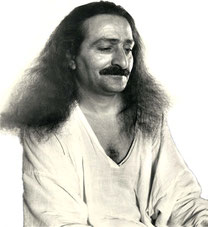



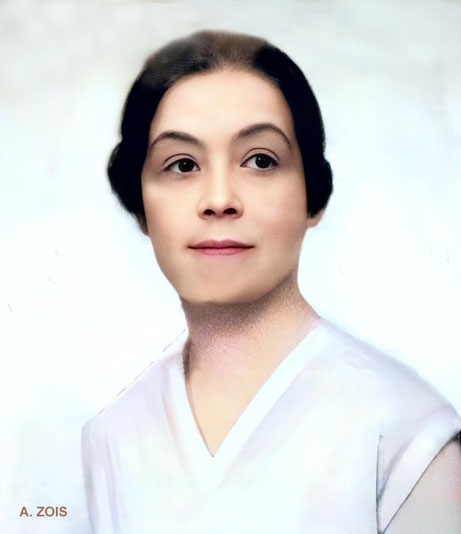
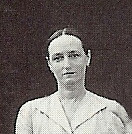
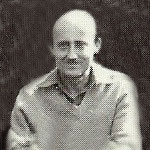
Margaret Mary Craske " Zuleka "
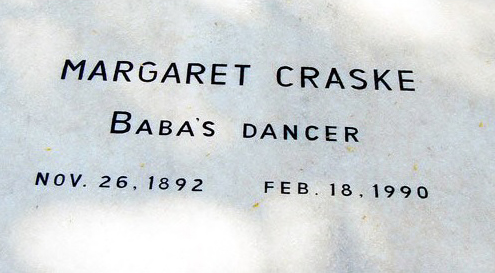
Baba's Dancer AKA Margarita Craskova / Krasova


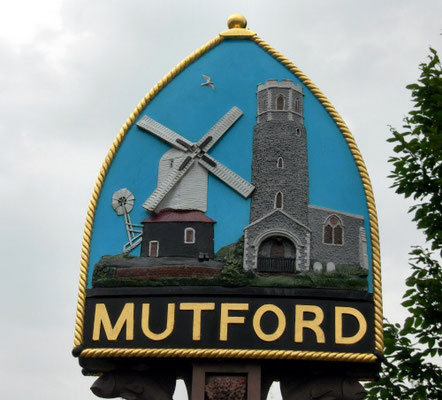
Born : 26th November 1892 - Mutford, Suffolk, England
Died : 18th February 1990 - Myrtle Beach, S.C., USA ( Grand Strand
Hospital )
Buried : Her ashes are interred at Upper Meherabad, India ( next to
Elizabeth Patterson )
Parents : Edmund George Craske & Hannah ( nee Bishop
)- married : 1889 Lowestoft,Suffolk
Siblings : Dorothy G. & Olive M.
ENGLISH
"Zuleka" had love for Yusuf, according to folklore
Lived in India for 7 years during WW2.
1946: Margaret moved to America to live.
1952: Margaret accompanied Meher Baba's on his visit to the Meher Center in Myrtle Beach, SC.
1956: Margaret attended the reception given in Meher Baba’s honour at the Longchamps Restaurant in New York City. Afterwards, she accompanied Baba to the Meher Center in Myrtle Beach, SC.
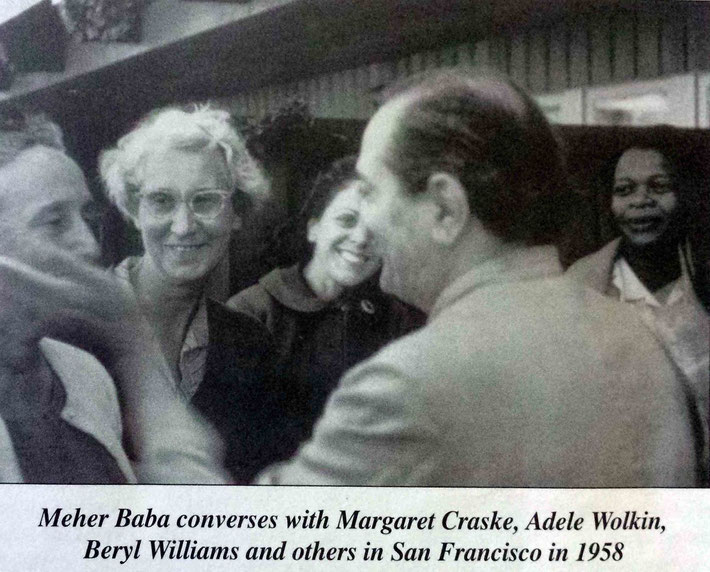
1958: Margaret visited the Sahavas at the Meher Center in Myrtle Beach, SC., when Meher Baba visited for a short time.
1962: Margaret attended the East-West Gathering for Meher Baba at Guruprasad, Poona, India.

CONTENTS :
1. Genealogy
2. Dancer
3. Dance Studio
4. Meher Baba - early days
5. Teaching in the USA
6. 1952 - Meher Baba's USA visit
7. 1956 - Meher Baba's USA visit
8. Books about Margaret
9. Retirement
10. Former pupils
11. Ships Travelled

MARGARET CRASKE - GENEOLOGY
Father : Edmund G. Craske - born 1857 Stowmarket, Suffolk, England
( 1901 Census ;44 yrs.old )
- died : 13th January 1931
Mother : Hannah Bishop - born 1859 Cheshunt, Hertfordshire,England
( 1901 Census ; 41 yrs.old )
- died : 1929
Children : Mary M.(Margaret) Craske - born 26th Nov.1892 Suffolk,England
( 1901 Census ; 8 yrs.old )
Dorothy G. Craske - born 1897 Suffolk,England ( 1901 Census ; 4 yrs.old )
Olive Muriel Craske - born 1898 Suffolk,England ( 1901 Census ; 2 yrs.old ) died : 7 March 1947 The Priory, Aldeby, Norfolk, England
-Married : Philip Livingstone Ashford - Children : David & Paul
When Edmund died in 1931, his estate went to his son-in-law Philip L. Ashford, some 7,800 pounds which equates to todays value of almost half million pounds.
1901 British Census
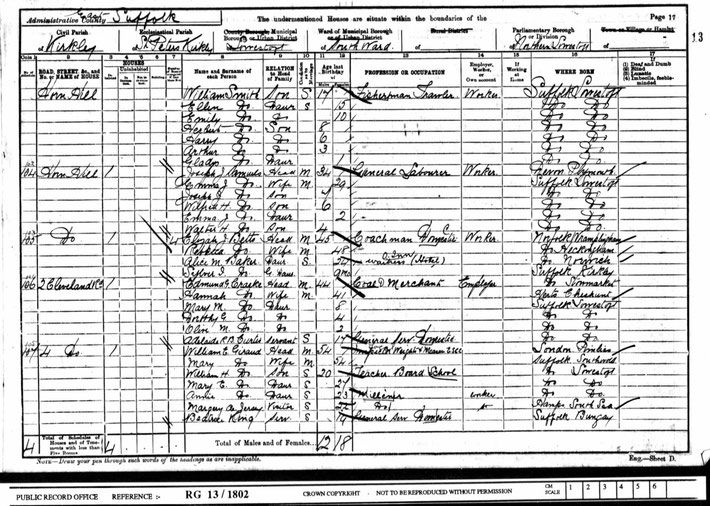
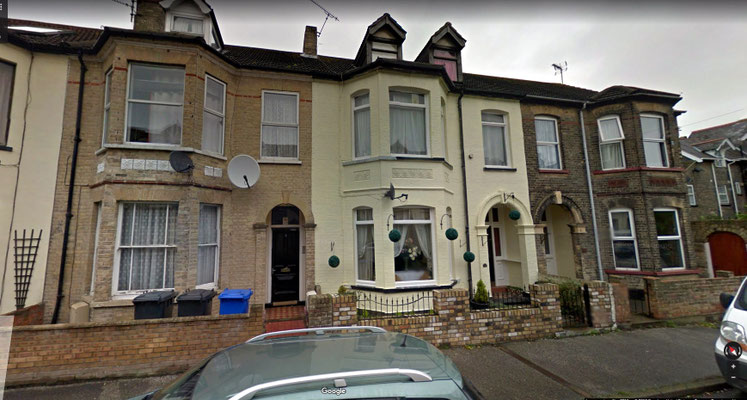
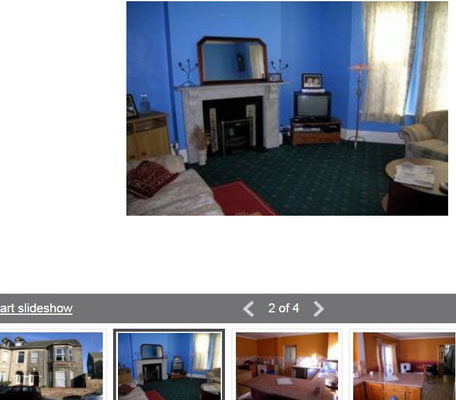
2 CLEVELAND ROAD LOWESTOFT, SUFFOLK


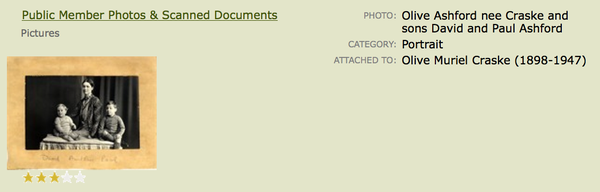
Margaret's father Edmund built a Thames sailing barge, the "Emily Smeed", Reg.no. 67044 NK, in 1872 at Murston, Kent

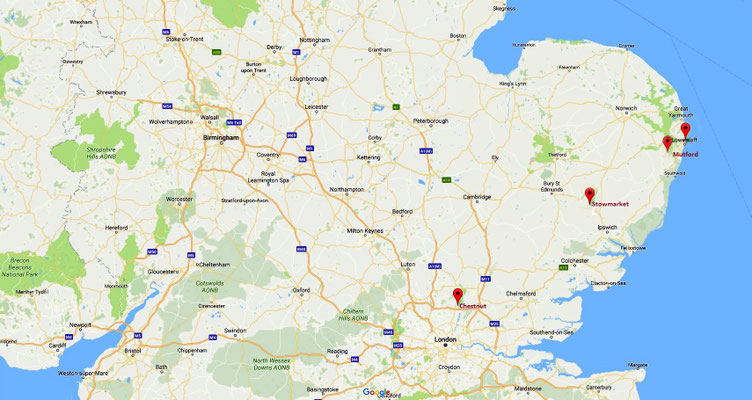
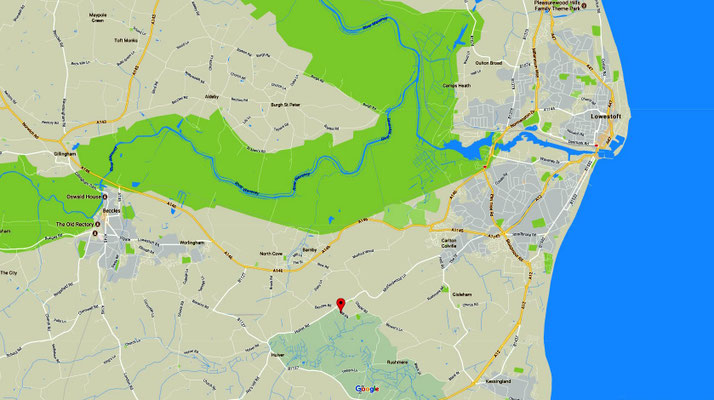
The Craske family always lived in the East Suffolk region near Lowestoft on the coast, but in various houses ; 2 Cleveland Road and Oulton Road Lowestoft also St.Peters Road Kirkley.
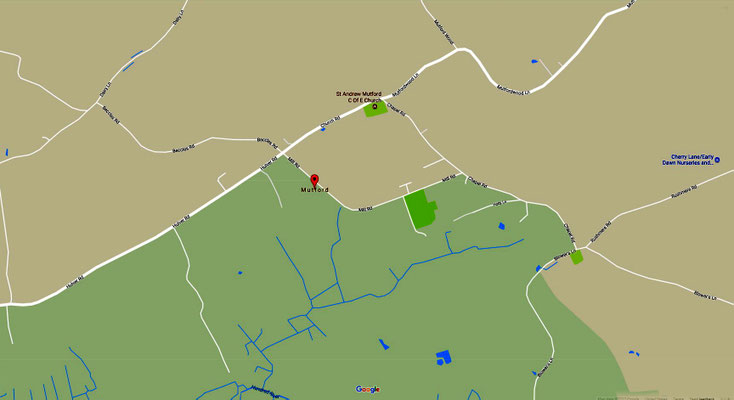
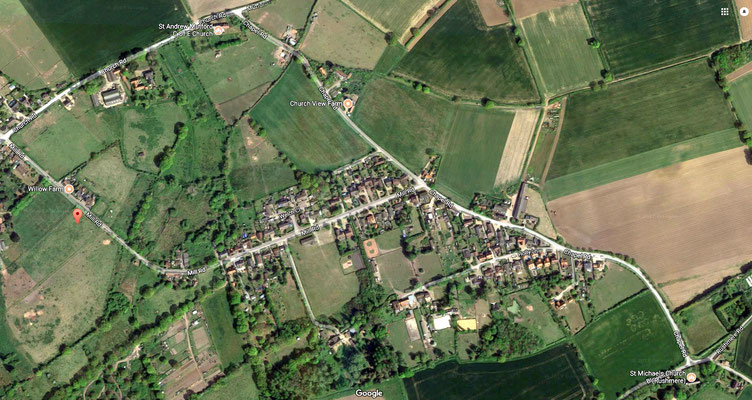
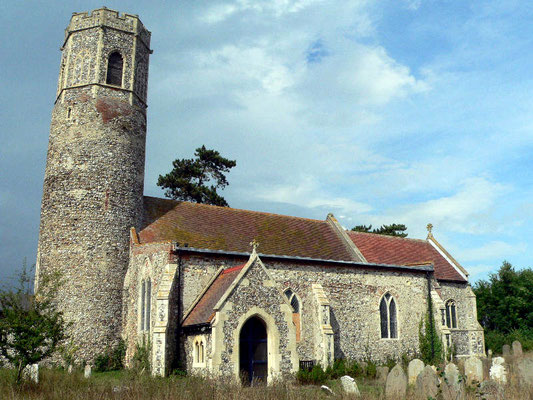
Map showing locations related to the Craske Family, mostly in East Suffolk
Margaret Craske's Birthplace

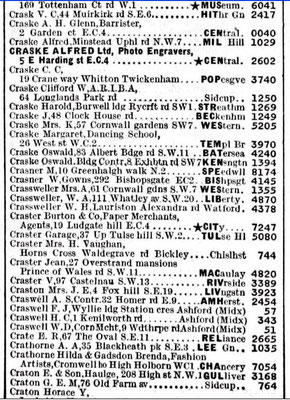
ALL DOCUMENTS RELATING TO THE GENEALOGY, TELEPHONE, THE DANCE SCHOOL LOCATION AND PASSENGER LISTS WERE PROVIDED BY PAUL EDWARDS.

MARGARET CRASKE - DANCER
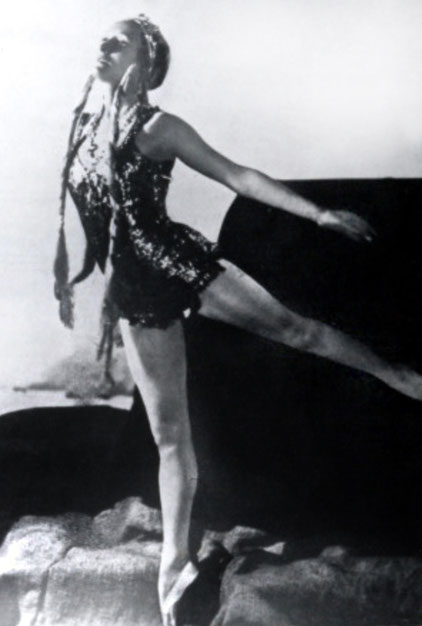
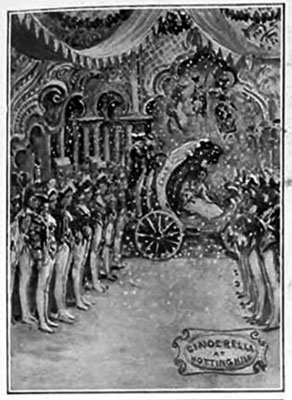
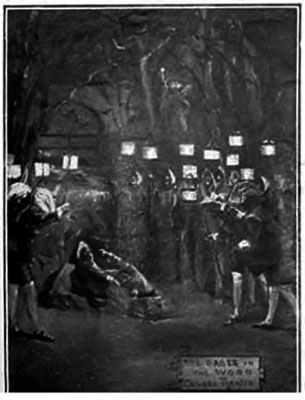
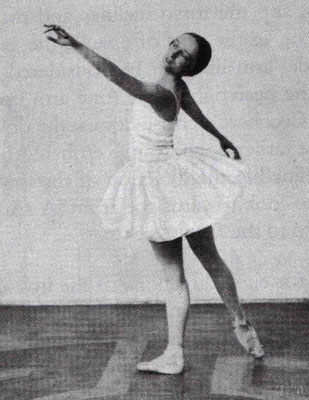
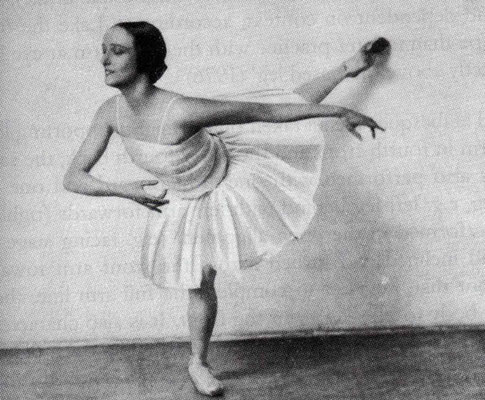
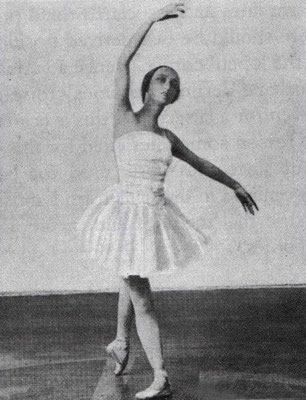
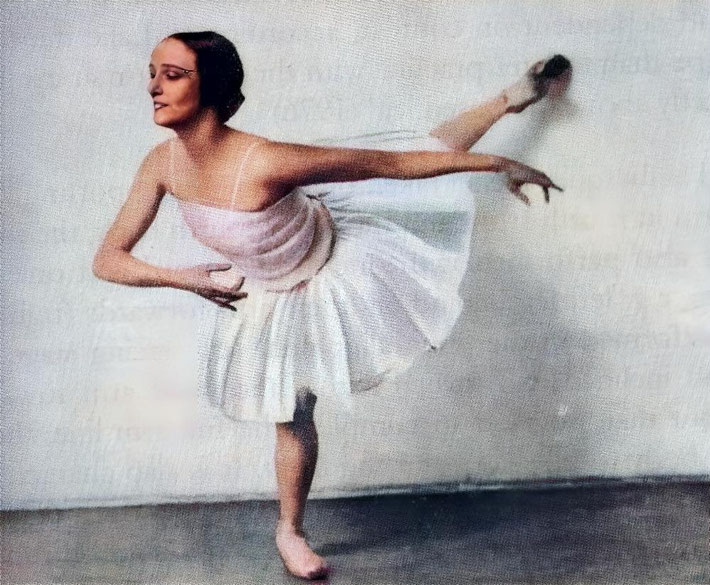
Margaret Craske's dancing career began when she was aged 14. She was first mentioned dancing with her two sisters - Dorothy & Olive - the Craske Sisters.
The production they were in was "Cinderella : A Ballet"
Choreography by Fred Farren; music by Sidney Jones; libretto and costumes by C. Wilhelm. London, Empire Theatre, 6
January 1906.
Margaret began her ballet training with a local Suffolk teacher in 1908 as aged 16, a late starter but by all accounts she was very athletic.
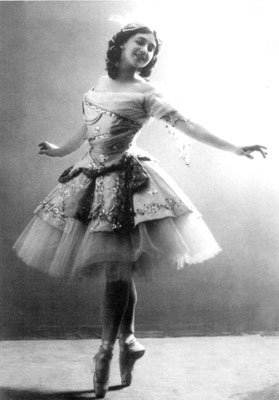
In 1918, a friend persuaded her to join the classes in London by the celebrated maestro Enrico Cecchetti. Apparently, he growled and complained about her work and even threw his cane at her. She was terrified and moved near another dancer Tamara Karsavina ( a celebrated dancer ) who told her " you should be happy, he likes you !"
Later, under his guidance she flourished, becoming a proficient dancer.
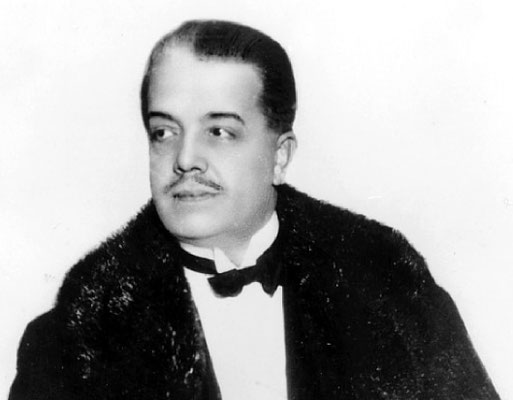
In 1920, Sergei Diaghilev who had a famous ballet company - Ballets Russes, called on Cecchetti for English students to join his mostly Russian dancers for the London production of "Les Sylphides". Margaret assumed the stage name Margareta Krasova / Craskova. She was a prodigy but danced with them for a short time only.
Click on the web address to see a short example of the ballet piece ; The main dancers are -
Dame Margot Fonteyn & Rudolph Nureyev
VIDEO CLIP
https://www.youtube.com/watch?v=U7fS3XP0hC0
Thereafter, she choreographed ballet numbers, musical shows and toured the English provinces in a small troupe, that included Ninette de Valois and Marie Rambert, they performed in music halls and variety theatres.
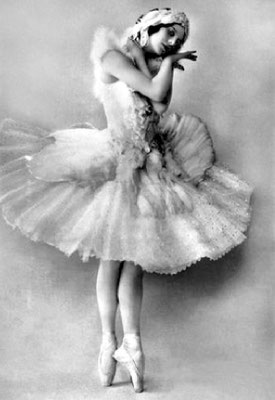
She became a soloist for the Royal Italian Ballet. During this time, Margaret was asked to "break in" Anna Pavlova's pointe shoes and Pavlova's old shoes were regularly sent to Cecchetti's pupils.
During one of the dance tours Margaret damaged her
Achilles tendon bringing her performing career to an end. She returned to England from touring and became Cecchetti's assistant. When Cecchetti retired in 1923
to live in Europe, Margaret took over teaching at his studio for the next 6 years and was known to be very pedantic and strict about enforcing
Cecchetti's methods.
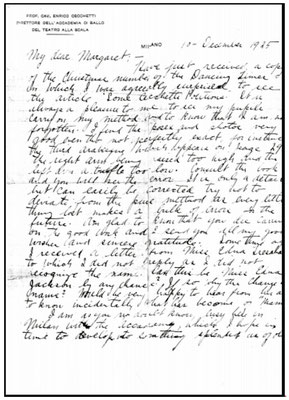
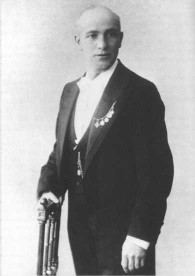
Maestro Enrico had often asked her often to "cleanup and fix" the manuscripts of the adagios that Idzikowsky had made.
Margaret remarked of Cecchetti "He was already old when I met him... he was a darling... he would bend his head and look under his eyes at you as if you were a criminal. And he did occasionally give us a tap with the stick. That's not legal now. He was a very fine teacher. One loved him."
She was philosophical about the loss of her stage career: "I hurt a tendon. I couldn't dance for some time, and then I was getting older ... so what!"
Before his return to Italy in 1923,
he gave his personal teaching certificate to five English girls: Margaret Craske, Mary
Skeaping, Derra de Moroda, Ninette de Valois and Lucie Saronova.
The Cecchetti Society was founded by the Cecchetti himself with a founding committee consisting of ; Margaret Craske, Jane Forrestier, Marie Rambert, Cyril Beaumont, Molly Lake, F.Derra de Moroda & Ninette de Valois.
In late 1928 after Enrico Cecchetti died, Margaret and her friends Cyril Beaumont, Stanislas Idzikowsky and Friderica Derra de Moroda decided to codify Cecchetti's methods. These are used by ballet teachers and continue to teach Ceccetti's techniques to pupils up to the present.
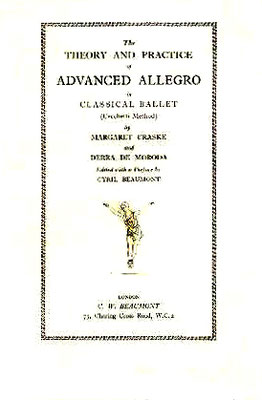
Two books were published, the second one was co-written by Margaret and Cyril - "The Theory and Practice of Allegro in Classical Ballet "(1920). These books are the basis of the Cecchetti method taught around the world.



THE FOLLOWING EXCERPT IS THE EARLIEST MENTION OF MARGARET AS A DANCER

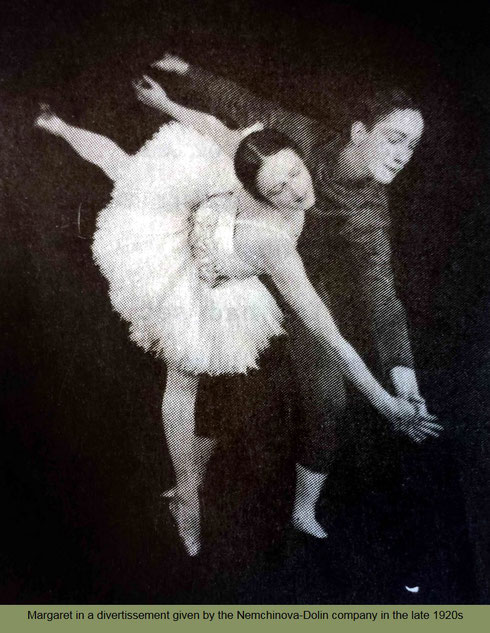
Cecchetti trained under Lepri, a pupil of the great Carlo Blasis who codified the technique of Classical Ballet in 1820. His ideas were developed further by Cecchetti who grouped the Classical vocabulary into six sets of exercises, one for each day of the week. This work was recorded and published in 1922 by Cyril Beaumont, assisted by Stanislas Idzikowski and Enrico Cecchetti himself. Further volumes were compiled by Margaret Craske and Derra de Moroda.
Then in 1923 he returned to Italy and he accepted the post of Director of the Ballet School in La Scala, Milan. He died there in 1928.
At his London Ballet School, opened in 1918, he taught nearly every
famous dancer of the time. Before his return to Italy in 1923, he gave his personal teaching certificate to five English girls: Margaret Craske, Mary Skeaping, Derra de Moroda, Ninette de Valois and Lucie Saronova. It was Madam
Saronova who, instead of joining the Diaghilev Company, came to Australia with her new husband just after the first world war and founded the Cecchetti Society in Australia, in
Melbourne.
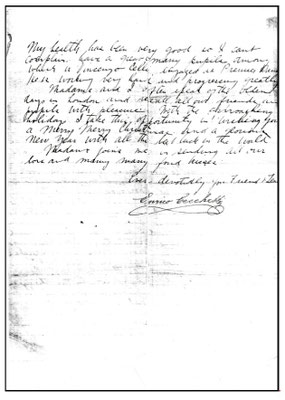
1925 : Enrico Cecchetti letter to Margaret Craske

MARGARET CRASKE - DANCE SCHOOL

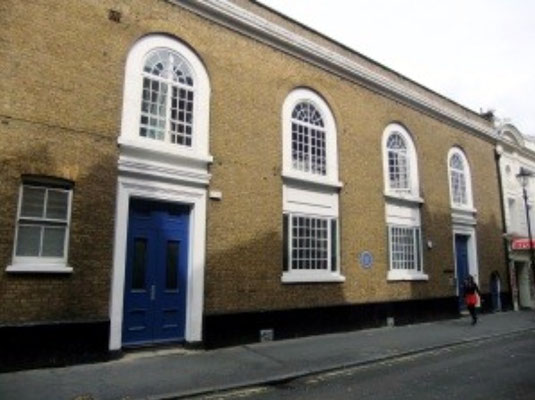
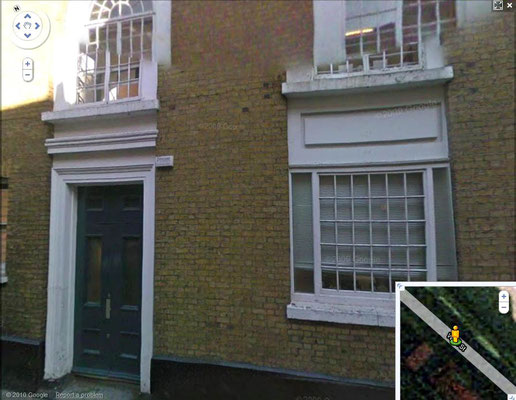
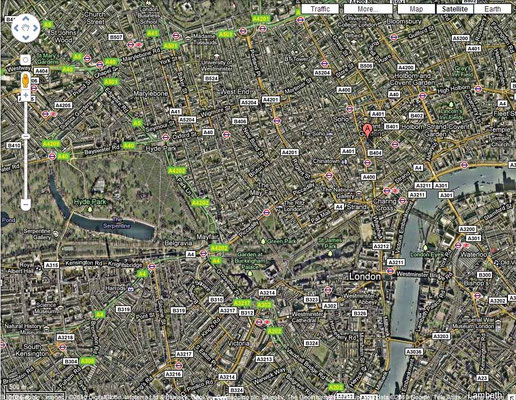
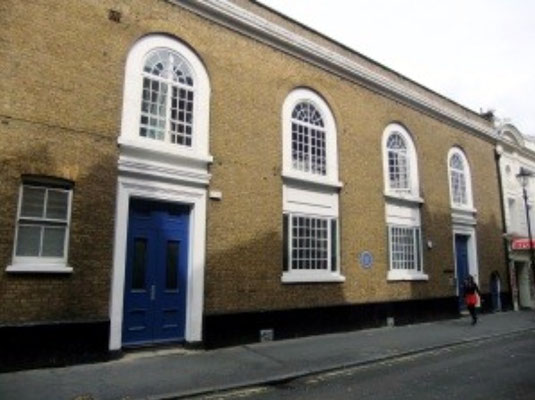
26 WEST STREET W.C.2 , LONDON
Click below to see the web page of the location in London, UK.
MARGARET CRASKE DANCING SCHOOL -
Late 1920s
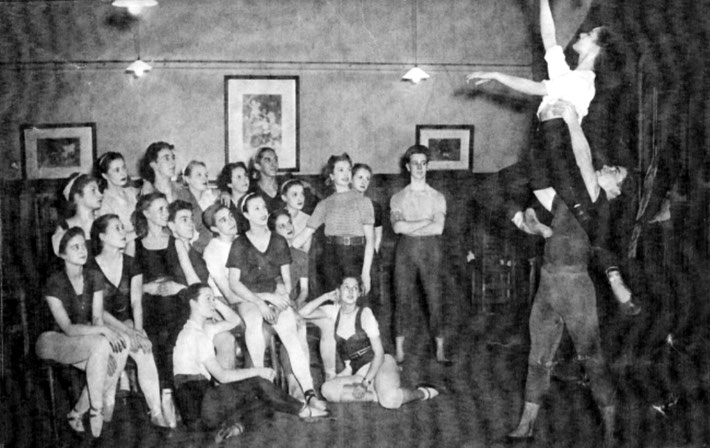
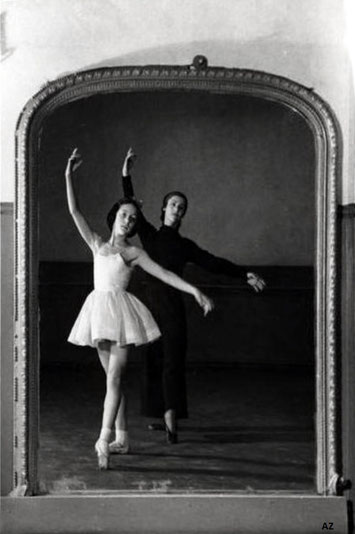
Margaret Craske and her business partner Mabel Ryan
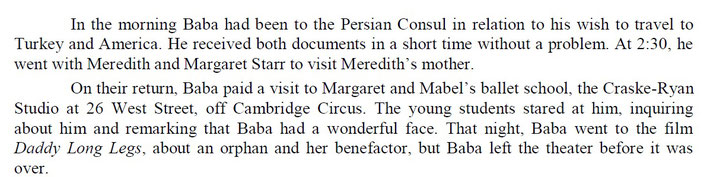
who was also a former pupil of Cecchetti, opened a ballet school at 26 West Street, off
Cambridge Circus,London. They taught the Cecchetti dance method. Margaret took the senior and professional classes in the
mornings and Mabel taught the childrens classes, for elementary and intermediate students.The school also taught the history of dance, anatomy and Spanish
dancing.
Margaret was described as a diminutive woman, with an austere manner but a sharp sense of homour, she was known for the consistency and clarity of her classes.
She was also doing all the choreography for the San Carlo Company at this time.
Margaret was also ballet mistress for Sadler's Wells ( now Royal Ballet ).
She also conducted examinations for the Imperial Society of Teachers of Dancing.
Her ballet school produced many famous dancers who went onto their own illustrious careers.
The following are some of these dancers ; Cyril Beaumont, Sir Fredric Ashton, Anthony Tudor, Dame Margot Fonteyn, Anton Dolin, Dame Peggy van Praagh, Mary Skeaping and Keith Lester.
1931Margaret and Mabel Ryan gave a dance performance for Baba when he visited their dance studio on the 28th September.


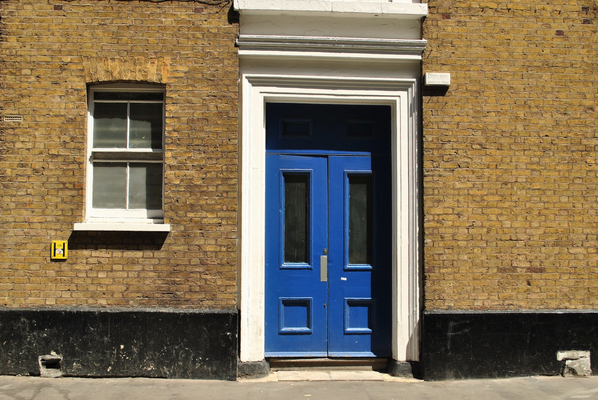

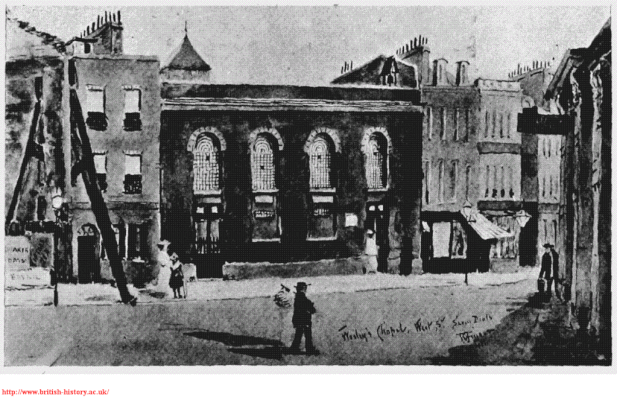
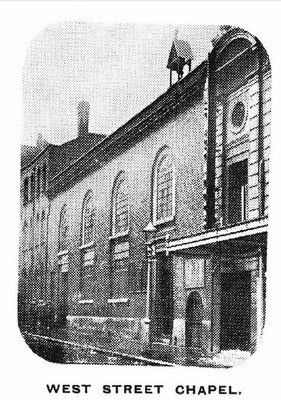
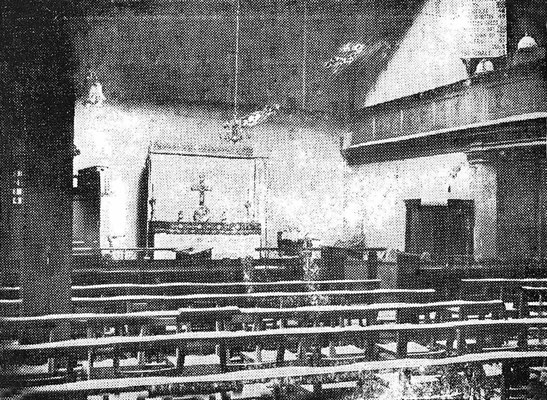
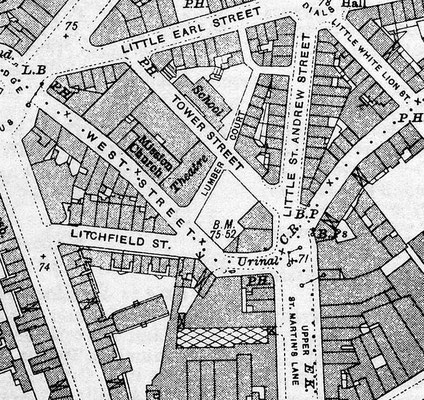
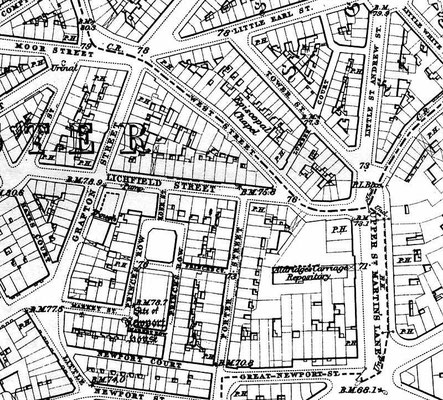

Nowadays, at one end of the street is the Ivy Restaurant and opposite to it is the theatre which has the longest continous play "The Mouse Trap".
ALSO at the same address as the dance studio ;
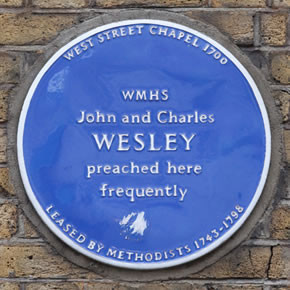
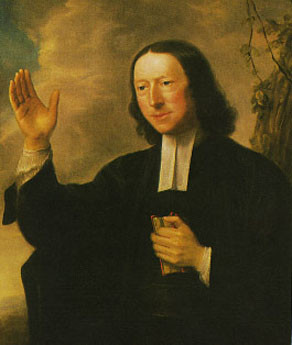
26 West Street, WC2 was a Methodist chapel much earlier on. It was John Wesley’s first Methodist chapel in London’s West End. It is no longer used as a church but has a commemorative plaque and its pulpit (used by
John and Charles Wesley between 1741 and 1793) is now in the nearby St Giles in the
Fields.
http://www.british-history.ac.uk/report.aspx?compid=74291
http://hollowayrev.wordpress.com/2011/06/25/in-wesleys-footsteps-3-west-street-chapel/
http://www.britannia.com/hiddenlondon/stgilesfields.html



Margaret had gone in late March 1931 to the Devonshire retreat East Challacombe near Combe Martin,England. Her account of her visit is printed below. ( #1 )
https://www.meherbabatravels.com/location-gallery/england/east-challacombe-england/
Meher Baba arrived in London for the first time on the 12th September 1931 and was staying at Kitty Davy's parent's home at 32 Russell Road Kensington. Margaret was waiting at the home and opened the door for Baba when he arrived. ( #2 )
Margaret Craske went on the 19th September 1931 to Combe Martin,England to meet Meher Baba and stayed for 4 days. She and Mabel Ryan gave a dance performance for Baba.
On the 28th Sept., Baba visited their dance studio at 26 West Street London.
( see Dance Studio section )
Baba stated it was Margaret's love that brought him to England.
AUDIO CLIP
https://www.mandalihall.org/margaret-craske-1
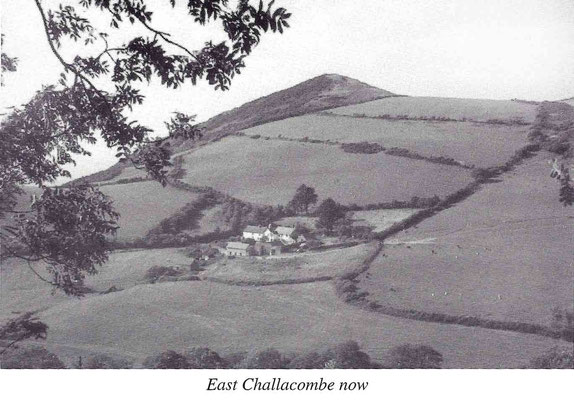
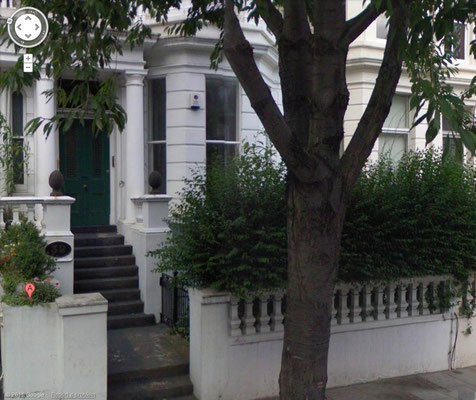
( #1 )
I had read Gurdjieff, Ouspensky and other esoteric writers, but never found what I was looking for. Between 1929 and 1931, everything I valued disappeared. My father died, my mother died, the man I was in love with died. Diaghilev died, Anna Pavlova died. So I was in quite a bad state. I had spent my life looking for God and I now thought it was nonsense. I was not going to look anymore – I had had enough! I resolved to go somewhere to recover enough to decide what to do next.
On my way to South England, I met a woman who approached me at the railroad station and asked where I was going. I told her, and she said, "How wonderful! That's where I spent my honeymoon." The woman wanted to go, but had no money. On the spur of the moment, I paid her fare and we went together.
On the way, I mentioned I wanted to go somewhere for Easter away from friends. She told me about a "wonderful place" down in Devonshire run by Meredith Starr. She didn't tell me about it being spiritual (I wouldn't have gone if I had known), but she did say, "Oh, there's just one other thing. There are four hours of meditation required there." I said, "Oh, well," wrote to Meredith, and it was arranged.
I went to East Challacombe for Easter in 1931, and was met by Meredith. One had to walk two miles on a dirt road through ditches and fields to get to the retreat, a stone house on a hill. When I walked into the sitting room, on the right I saw Baba's picture and asked, "Who's that?" Meredith told me about Baba. I stayed at Devonshire for two weeks and toward the end of my stay, Meredith said, "If you work hard for five years, meditating every day, you will be fit to meet Meher Baba when he comes."
But Baba came in five months! Having given up God, He decided to come to me.
Lord Meher ; Bhau Kalchuri - Vol.4 Page 1408
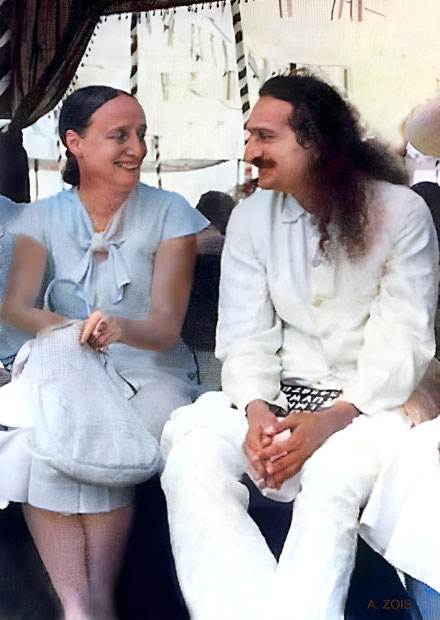
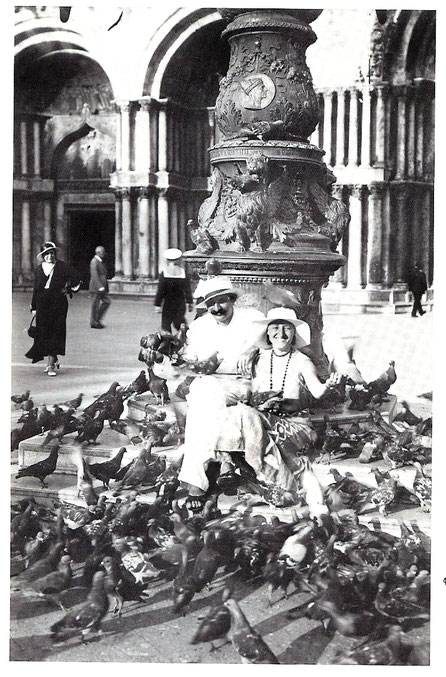
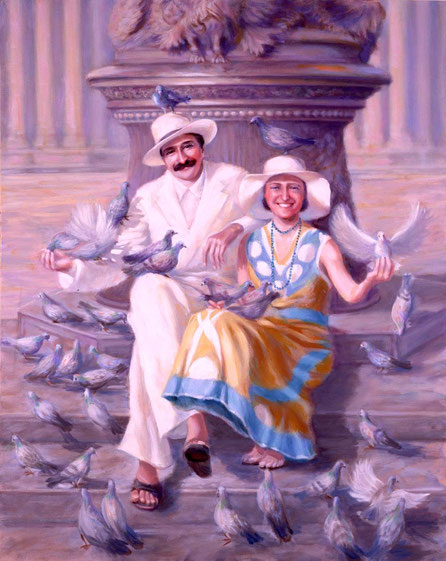

Meher Baba's 1st visit to London - 1931
( #2 )
The door bell rang and I opened the door to Meher Baba and entourage when they arrived in London from Folkestone by train. And there at the bottom of the steps stood the most appealing figure that one could ever hope to see. No sign of power, just a vision of gentleness, grace and love that touched the heart immeasurably. He came up the steps, gave me a passing glance and accompanied by Meredith Starr, "Chanji" Dadachanji, Agha Ali and others, went up the stairs to his room. I remained in the hall.
A few minutes later, Meredith came down the stairs and grandly said, "Meher Baba wishes to see you".
I was the first to be invited to his room to meet him.
Overcome by nervousness, I said, "Wouldn't he like to see somebody else first ?"
Meredith looked at me sternly and said, "Meher Baba wishes to see you". I turned and climbed three flight of stairs to the most important moment of my life, the meeting with my Master.
He sat motionless in a chair and then gestured to Chanji to bring a chair and place it facing close to his. He then beckoned me to sit. For a moment or so, there was intense quiet and then I had a strong feeling that it was important to look into his eyes. Courage came and I did so, looking in deeply - deeply as far as I could.
I have nothing to say about what I saw. In fact, I don't know. I only know that from that moment, whatever rough treatment he may have handed out afterward, there has never been a moment's doubt as to his being the embodiment of Love & Life.
Meher Baba asked Margaret to come to East Challacombe in Devon. Baba said " You are my disciple of my Circle and you must dod as you are told".
Margaret agreed to travel there to the retreat soon after Baba arrived there.
At another time, Baba said that he was very surprised to meet Margaret so soon coming to the West.
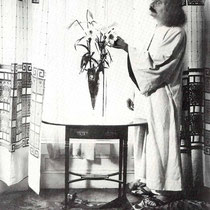
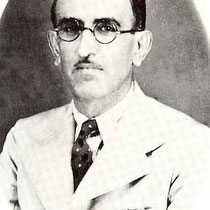
Margaret Craske went on the 19th September 1931 to East Challacombe, near Combe Martin, Devon, England to meet Meher Baba and stayed for 4 days.
Whilst walking with Baba across the hillside, she was asked to do a dance, whilst wearing a tight tweed skirt, country boots dancing and no flat ground. This was not ideal but she still did it, Kenneth Ross joined in with his bag-pipes whining and wheezing in the beginning.

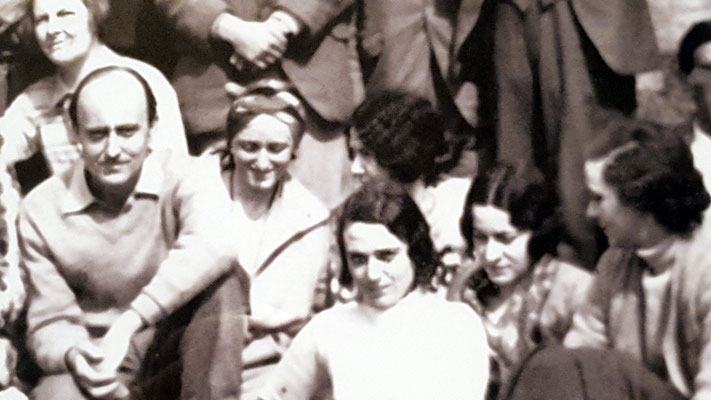
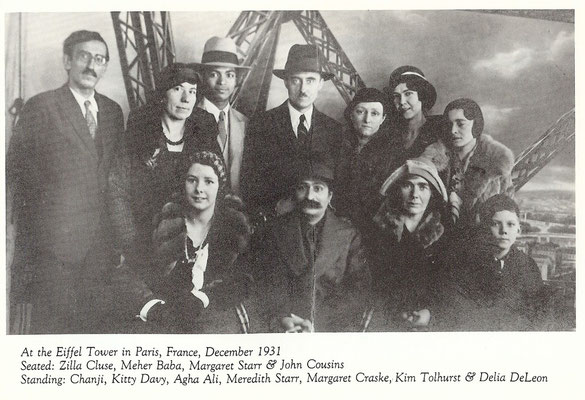
At the end of his 1st visit to England in 1931, Meher Baba asked his English disciples to meet him in Paris. After they met there, took a group photo on the Eiffel Tower, Meredith and his wife Margaret were sent back to England. Baba asked Margaret Craske to accompany him to Marseilles because her French was better than the other disciples who also were sent back to England.
They took the train to Marseilles. She had the compartment next to Baba.
Baba tapped on the compartment wall 3 times and said it meant "I love you " and she was to do the same in return. During the journey, this went on all night. She had hardly slept by the time they arrived in Marseilles.
After breakfast in a cafe, Baba told Margaret she should use rouge to improve her look.
They then took an elevator to The Lady of the Sea Church. Whilst there, Margaret had given a coin to a local beggar, Baba told her they if she wanted to give money to beggars that she should say " This is a present from Baba ".
At one occasion Chanji blurted out "she is a link type, Baba must have Margaret !
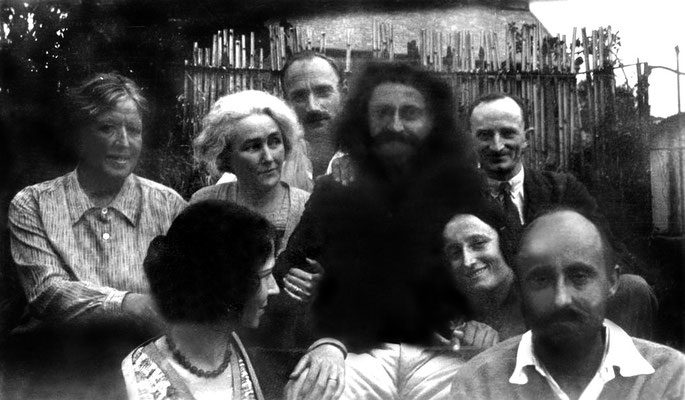
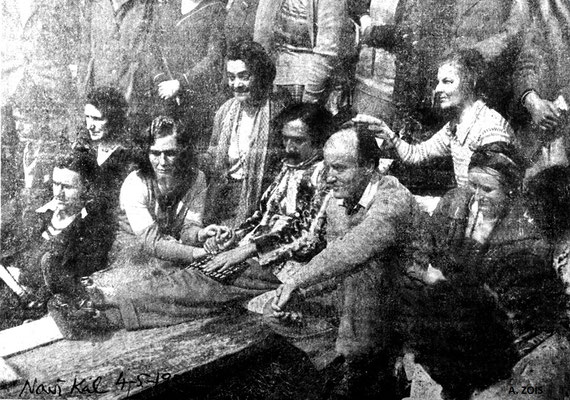
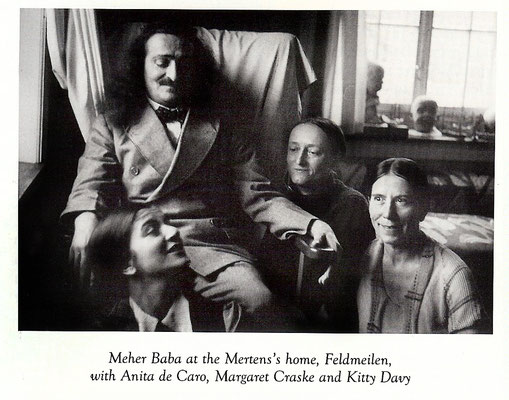
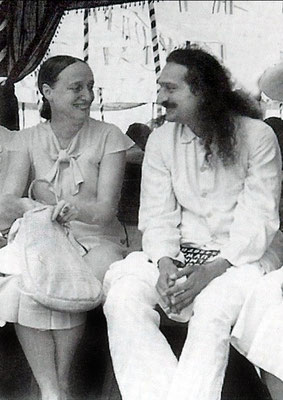
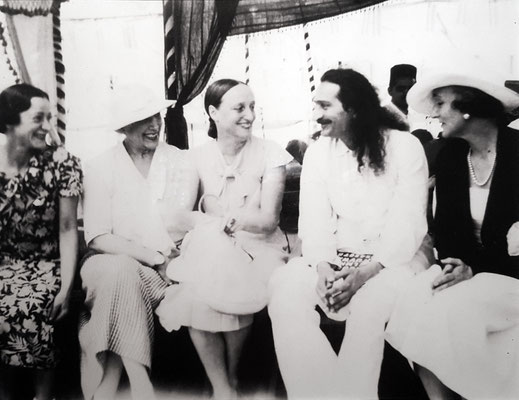
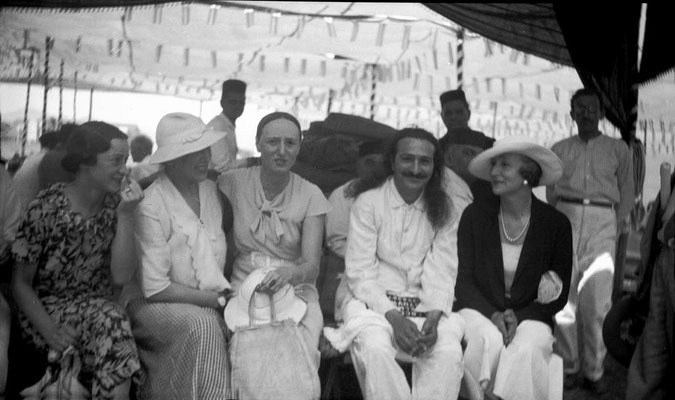
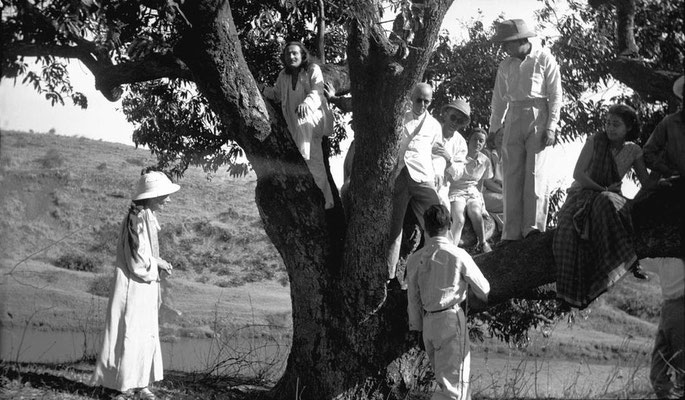
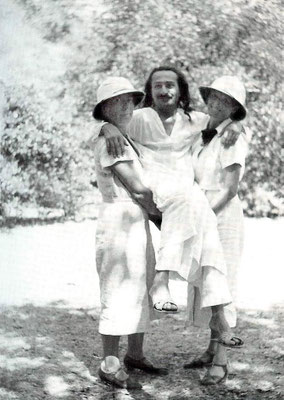
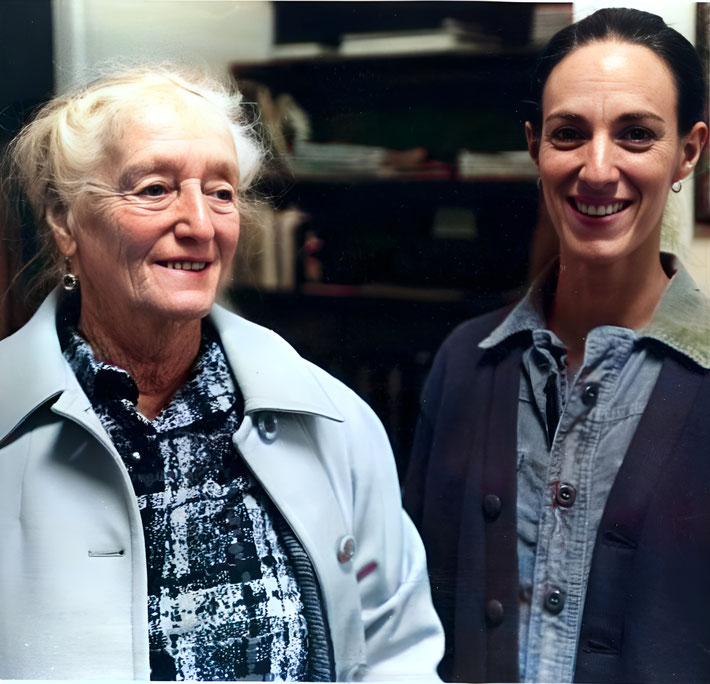
Margaret met Baba again when he visited England in mid-April 1932. She went to East Challacombe again to be with Baba. ( see above photos )
Excerpts from "Dance of Love " book.
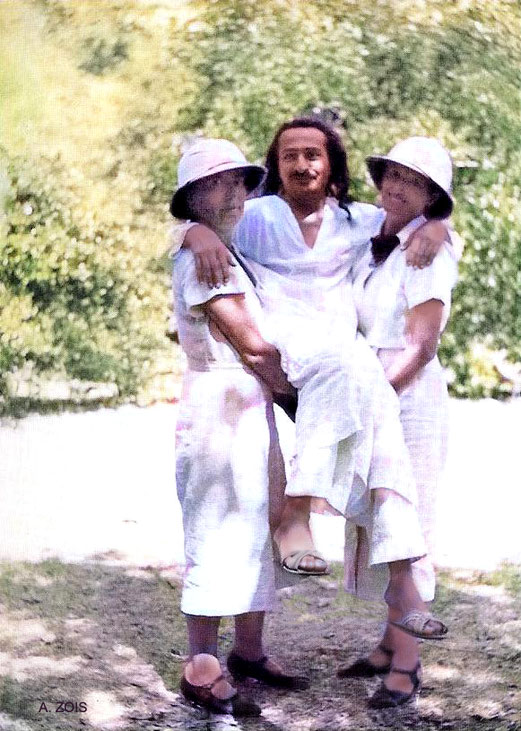

In July 1932, whilst staying at Villa Fiereza ( near Santa Margherita ) with Meher Baba and the other Westerners, Margaret gave Baba a short dancing lesson in the back yard of the hotel and for this purpose he went by the name "Thomas".
During this time Baba asked Margaret again to dance for him when they went into a coffee shop in the nearby coutryside to get out of the rain. No preparation, wearing heavy clothes, old gramophone and broken/poor records to accompanying her. She danced around the tables for about half an hour. The locals were very polite and quiet during the dancing.
Meher Baba returned to India that August.
In February 1933, Margaret was in the first group of Westerners to visit India. Baba had told the group that he wanted them to stay for years. Margaret sold her business.
Three weeks after arriving in India, Baba sent them all back to the West. Local government pressure was behind the decision. Margaret regained her school.
Meher Baba returned to England & Europe in June 1933.
Several years later, Meher Baba again invited Westerners including Margaret to India in December 1936. This time they stayed till July 1937, when they all returned to the West including Baba.
Meher Baba had instructed Margaret in the early 1930s not to read anything but Agatha Christie books.
VIDEO
I Am The One Reality: Meher Baba (Special Features)
Special features from I AM THE ONE REALITY include "The Nitrate Movies of Elizabeth Patterson," and videos featuring Elizabeth Patterson, Kitty Davy, Margaret Craske, and Delia DeLeon. Rare original 1933 footage in India and Italy is shown, as well as clips of 4 close women disciples.
VIDEO CLIP
https://www.youtube.com/watch?v=iEyIBw22Pos
Margaret speaks between 17:35 - 27:06 mins
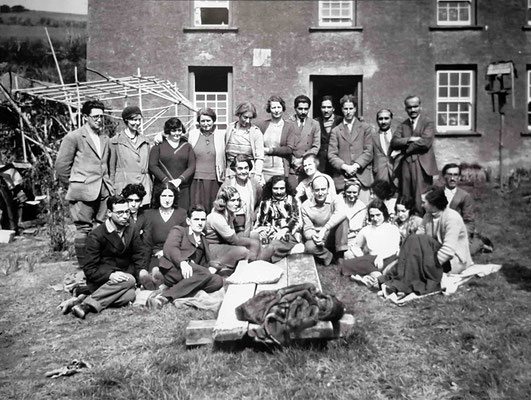
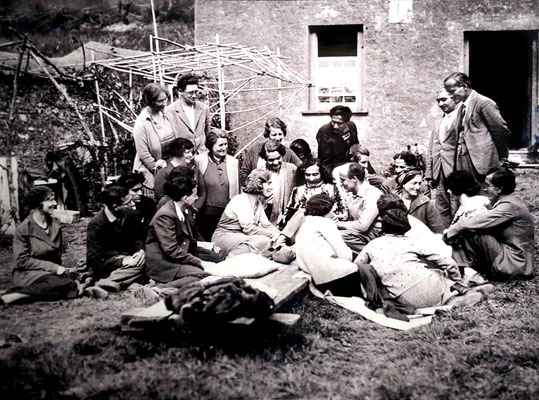
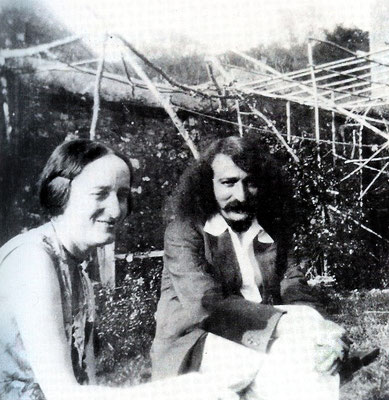
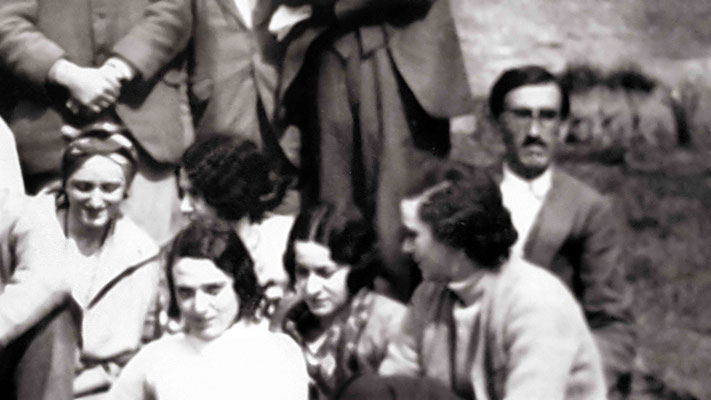


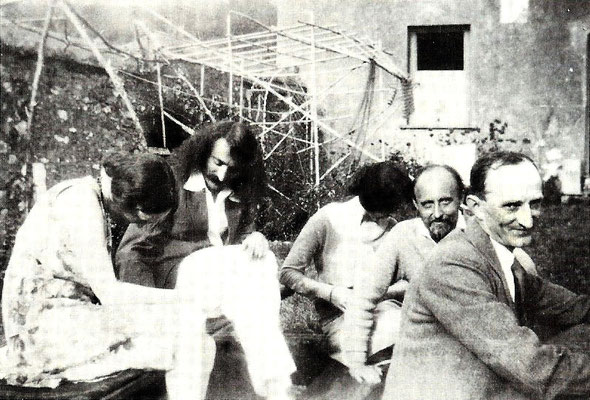
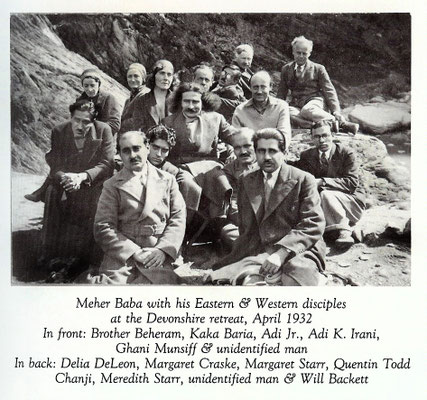
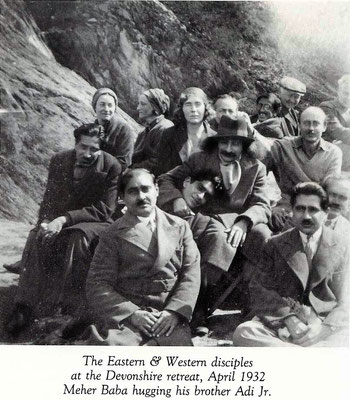
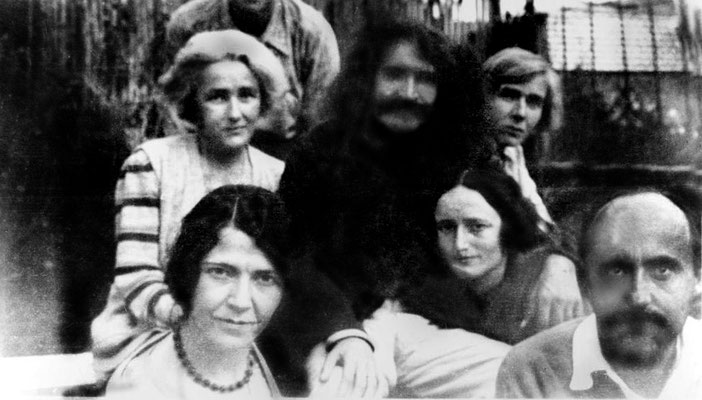

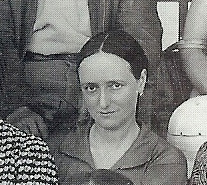
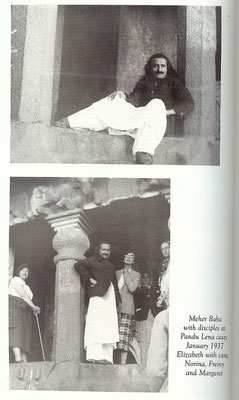
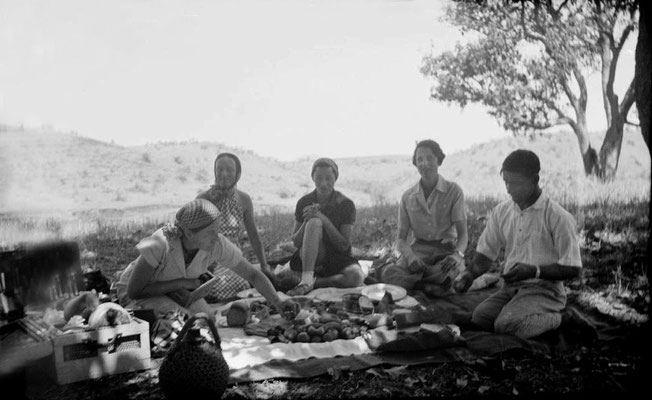
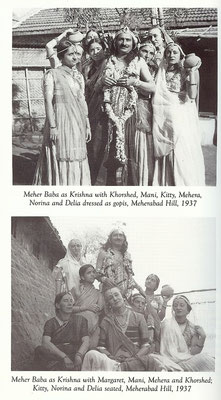
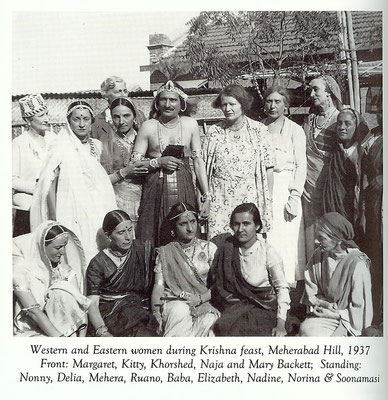
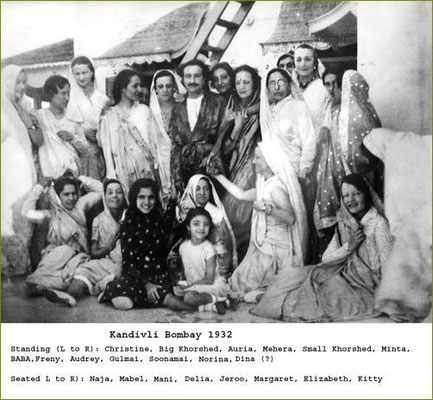
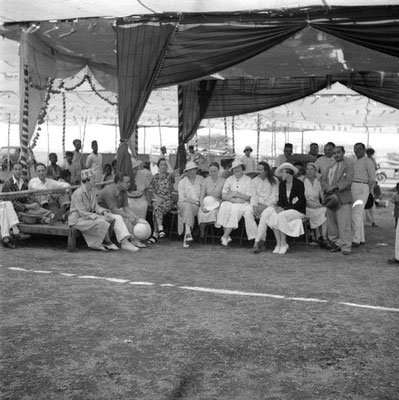
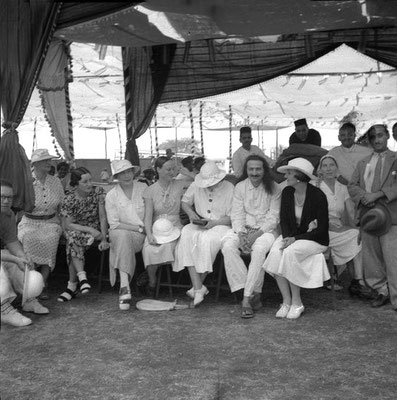

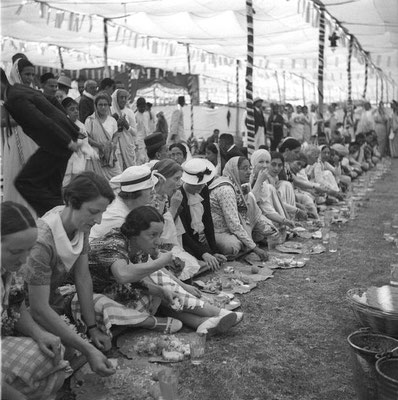
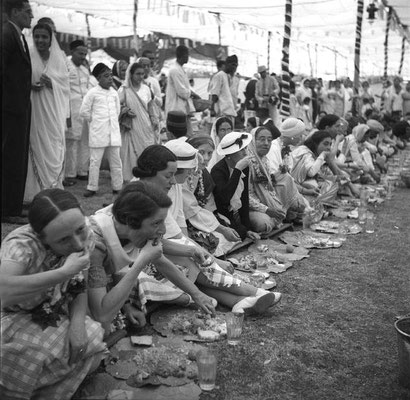
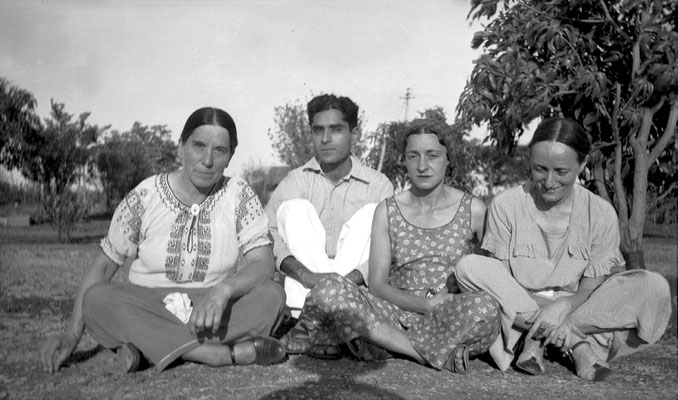

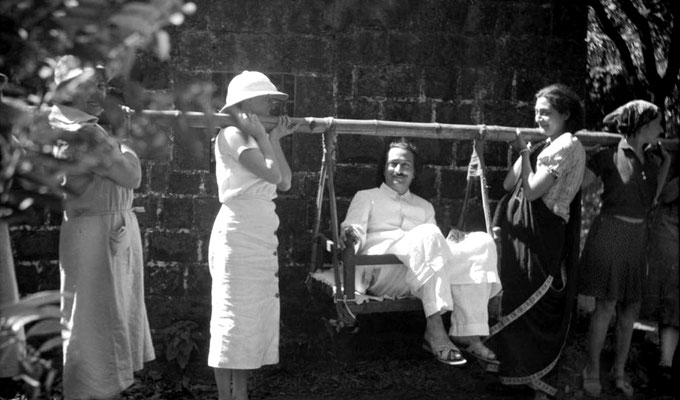
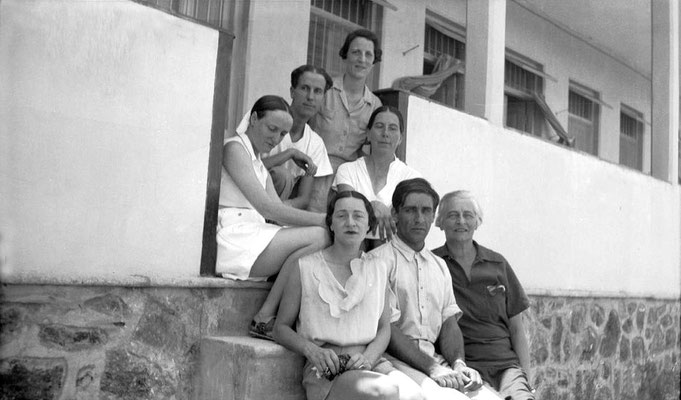
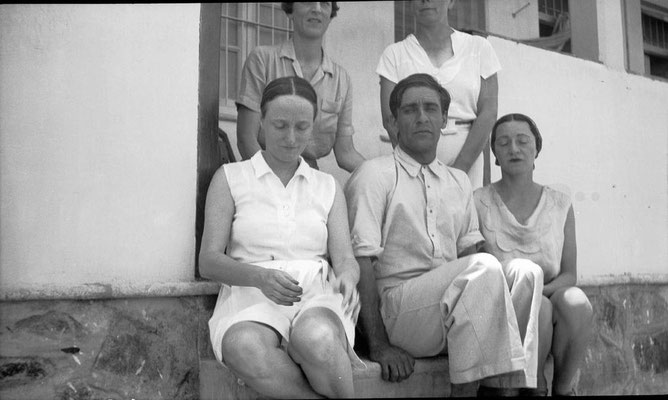
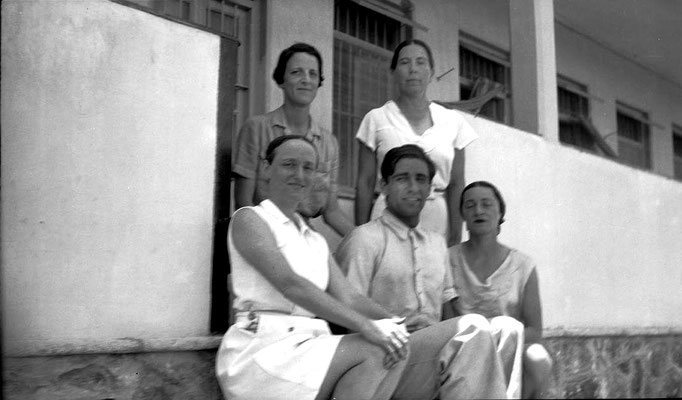
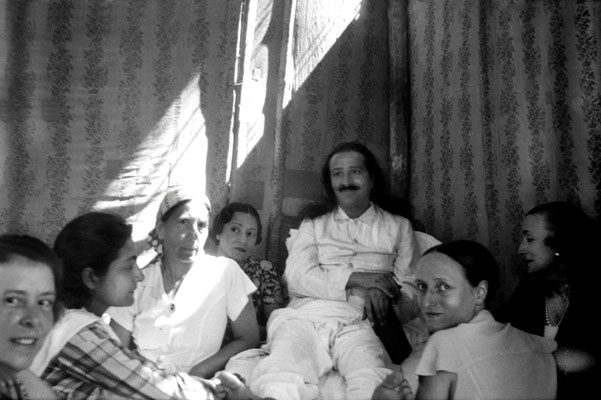
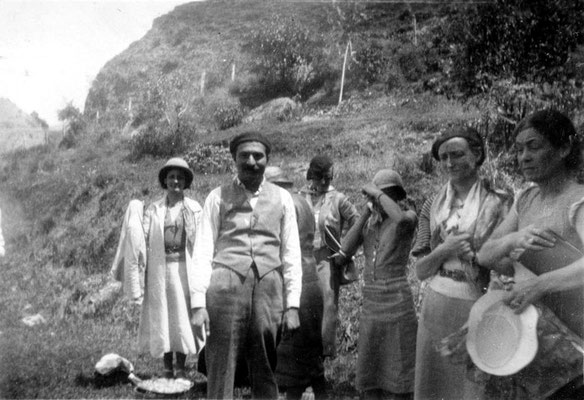
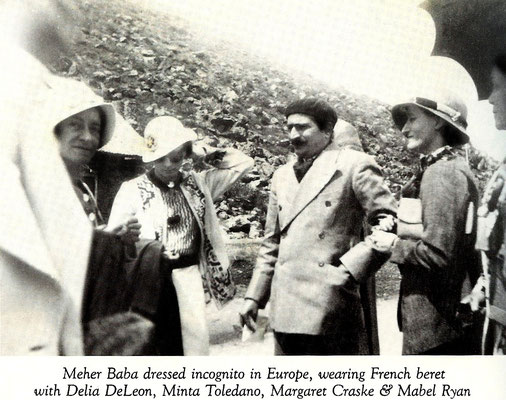
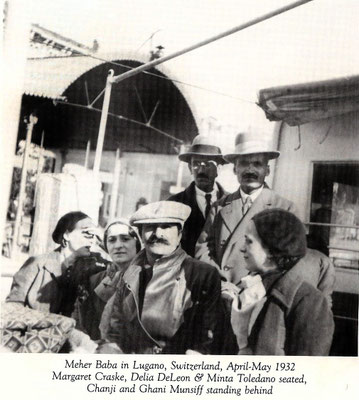
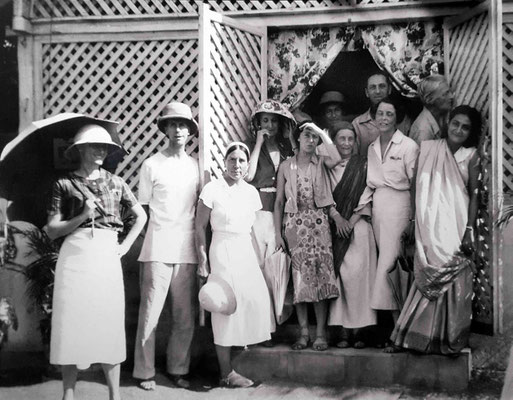
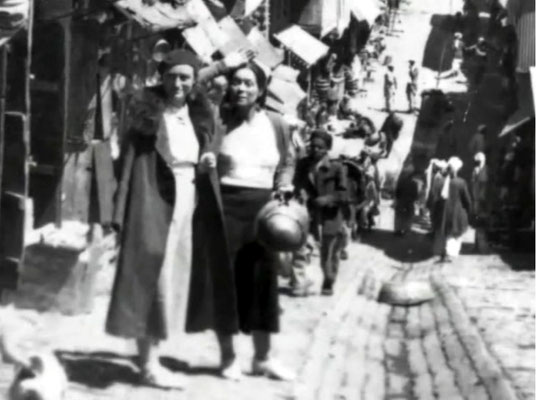
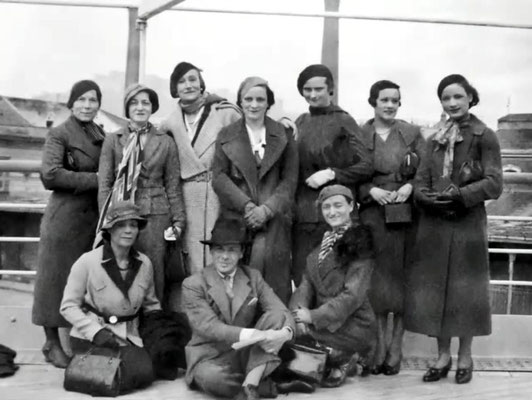
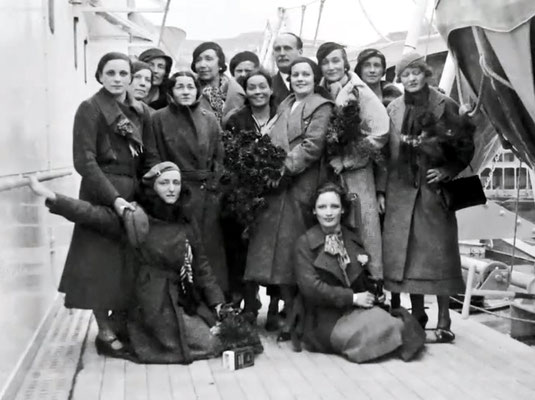

1937
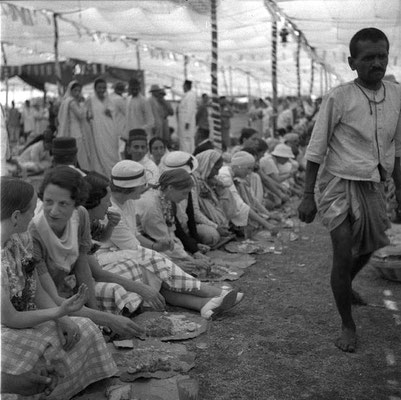
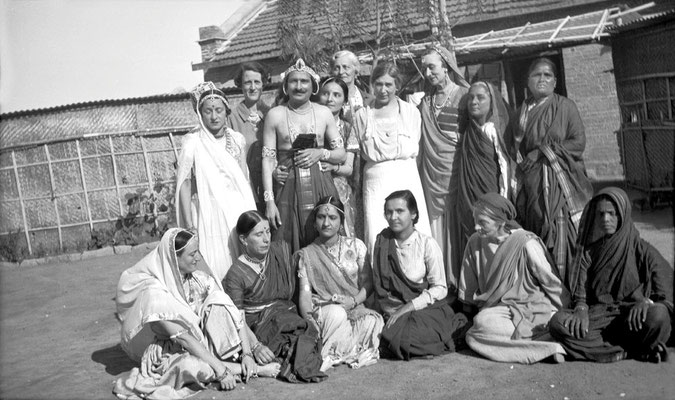
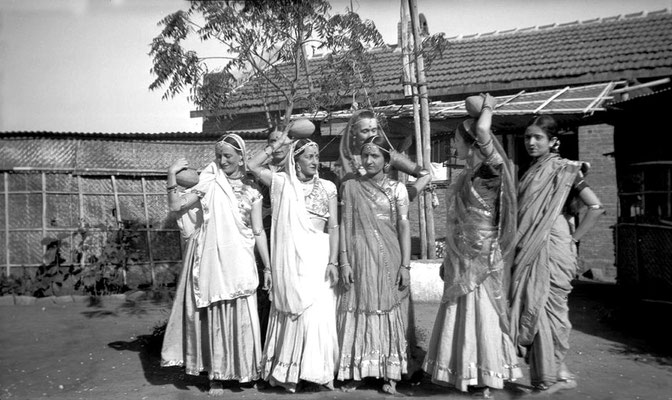
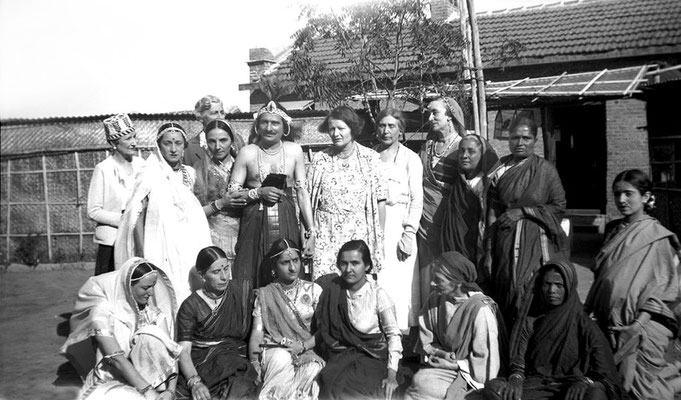
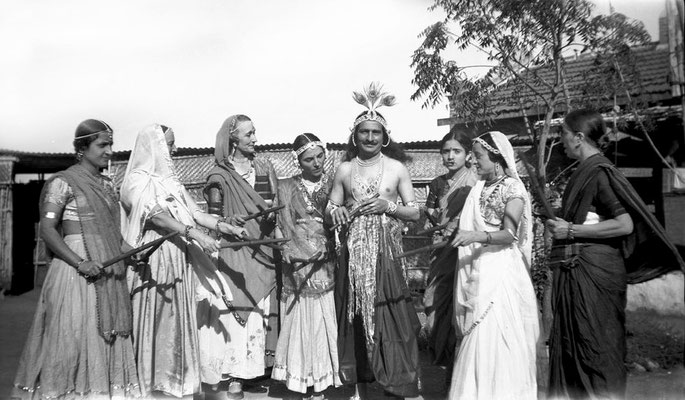
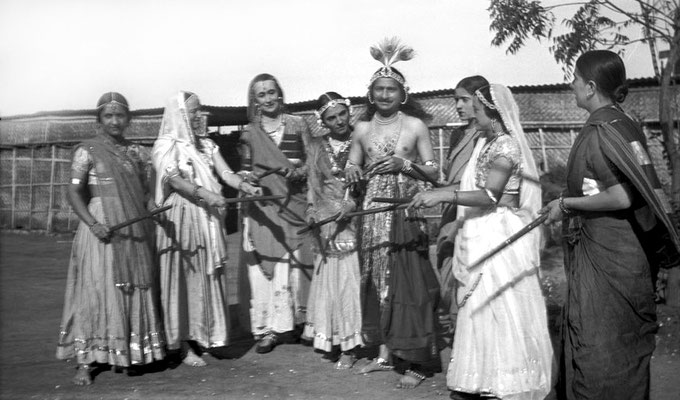
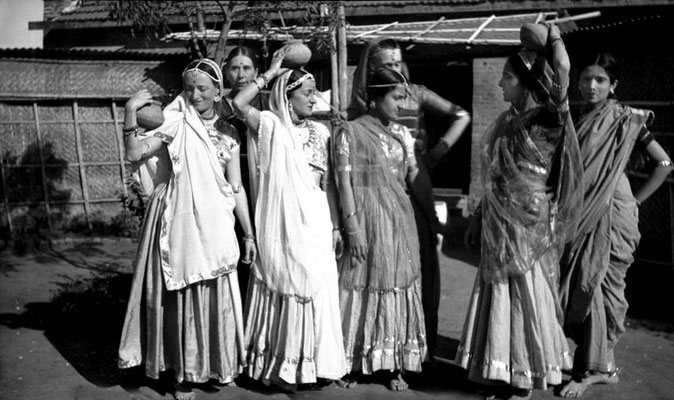
During her visit to Nasik, India, Baba asked Margaret to produce a large dance of 120 dancers. She got Rano Gayley to represent 60 dancers and Delia De Leon the other 60. Kitty Davy was on an out-of-tune piano and the only music available was Shubert's "Unfinished Symphony" which was not suitable. Baba told them abandon the project.
In the late 1930s, when she was back in London, she was put in charge of Rustom and Freiny Irani's son Faloo, to educate him. etc.
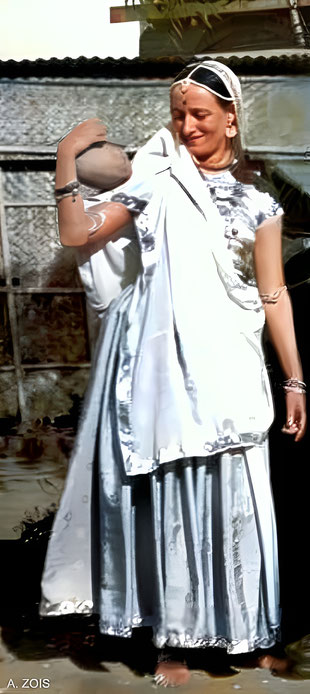
1939
On the 4th July 1939, Margaret received a letter from Meher Baba, a few weeks before WW2 started, ordering her to come to India immediately and to bring Faloo as well.
She eventually left England, due to very strict conditions, escorting Faloo and with only two 10 pound notes in her shoes. She was forced to leave her money in her English bank account.
When they arrived in Colombo, Ceylon ( Sri Lanka ) that money paid for the their fares to Bangalore - she was broke !
Margaret was to spend the next 7 years ( war years ) in India with Meher Baba's Ashram.
Meher Baba called Margaret " You're a jewel of a disciple ".
She was allocated the job to read the daily local newspaper about the war news and later to read the books that Delia was posting continually. They included - Shelock Holmes, Agatha Christie, P.G.Wodehouse, Rex Stout and others.
Baba requested all of Stout's books to be sent to him ( which proved to be no easy task ) and later J.R.R.Tolkien's books.
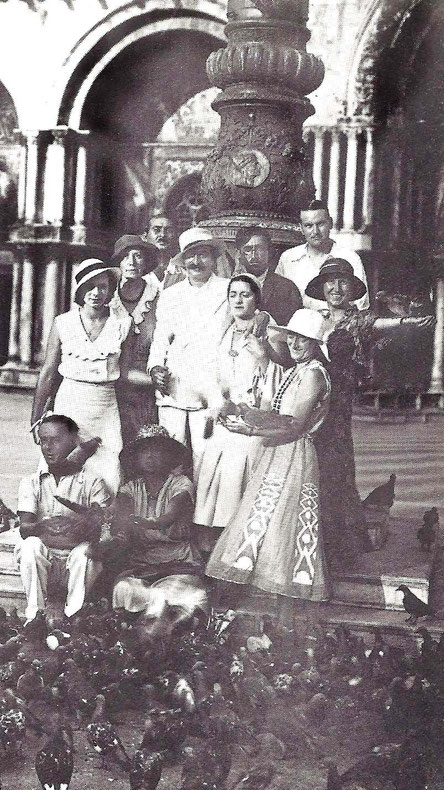
Early to mid 1940s
In the early 1940s, a past pupil of Margaret's - Clair
Aytoun had visions of Baba in her bedroom, Baba instructed some 6,000
pamphlets of "Life-sketch and Messages of Shri Meher Baba " were to be sent to her in Melbourne, Australia.
She was the link to Australia !
During these war years, Margaret was also given the task to teach Mehera & Mani to learn to swim. By the time she completed the lessons, Mehera could dive smoothly and swim the length the then house pool underwater.
Meher Baba and the mandali ( close followers ) were in Secunderabad ( is the twin
city of Hyderabad located in the Indian state of Telangana ) when WW2 ended.
Soon after the war was over, a lady called Milicent Deakes visited Meherabad and Margaret was escorting her during her visit to Baba.
Margaret recalls :
Milicent Deakes did not take much notice of us. She was crying and continued to do so. Her mind was completely on Baba and her interview with Him. We barely existed. When we finally sat down to eat, she came back to the world, looked round at us and at the primitive arrangements, probably sensing a mild embarrassment on our part, then said, "Don't worry about me. I have just come from a concentration camp myself."
And just for one moment, we saw ourselves as the outside world might have seen us.
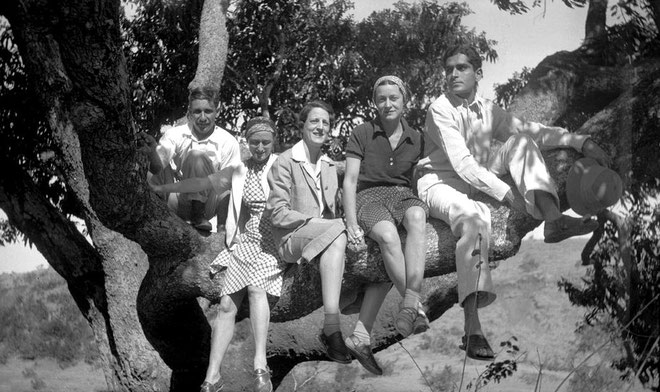
Late February 1946
While Meher Baba and his mandali were staying in Dehra Dun in Northern India, Katie Irani made a birthday cake for Baba. Later, Baba gave wine to the lady mandali. Baba spelled out to Margaret "Tonight in Heaven" , Margaret then said "Yes, but tomorrow won't be".
Baba laughed.
On the 1st May she, Meher Baba and Kaka Baria took the night train to New Delhi. She then took the train to Ahmednagar, where Sarosh Irani then drove to Arnavaz Dadachanji's home in Bombay.
She had to wait 10 days to get a birth to the U.K.
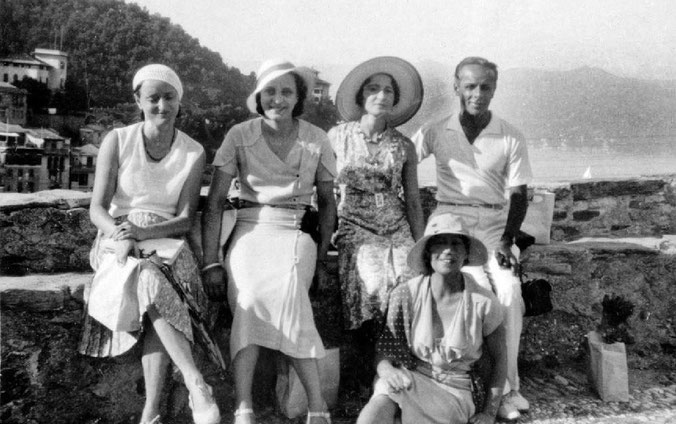
1946
After arriving in London, she was walking on Kensington High Street when she saw a life size image of Meher Baba in a shop window. It was the shop of Kinye Imai, the photographer who took Baba's photos in 1931.

Prior to leaving for America, Margaret met Dr. William Donkin in London on the corner of Oxford St and Tottenham Court Road he said to her while shaking her hand "Dr. Livingstone I presume ".


MARGARET CRASKE'S - London Home
78 VICTORIA STREET WESTMINSTER, LONDON - early 1930s
- Princes Mansions
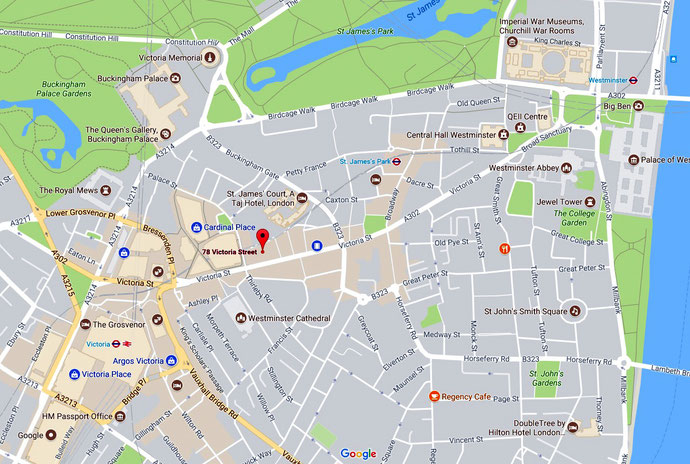
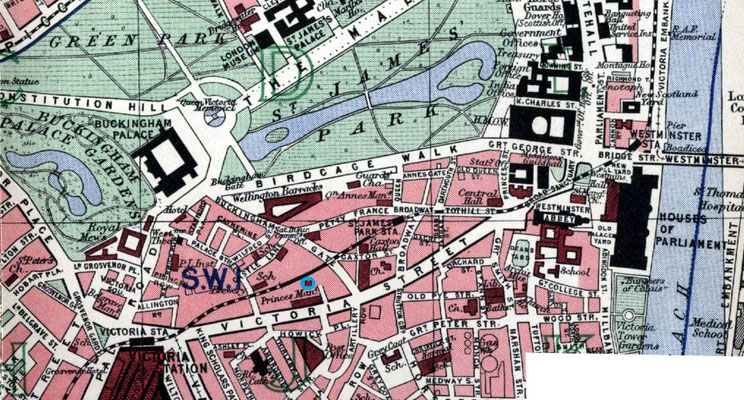
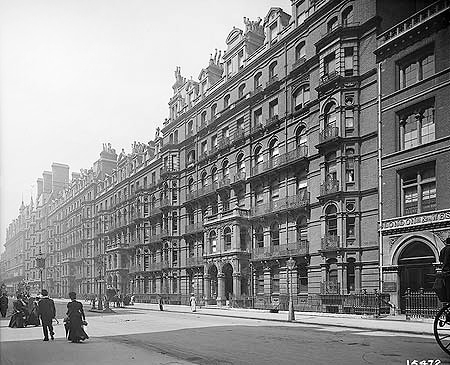
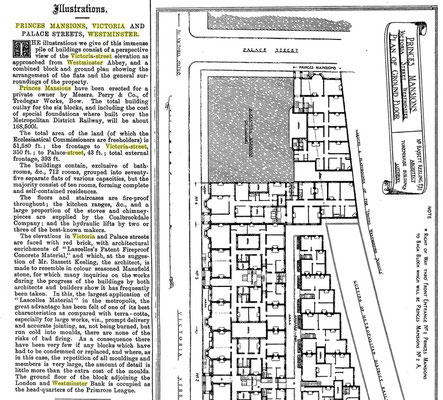
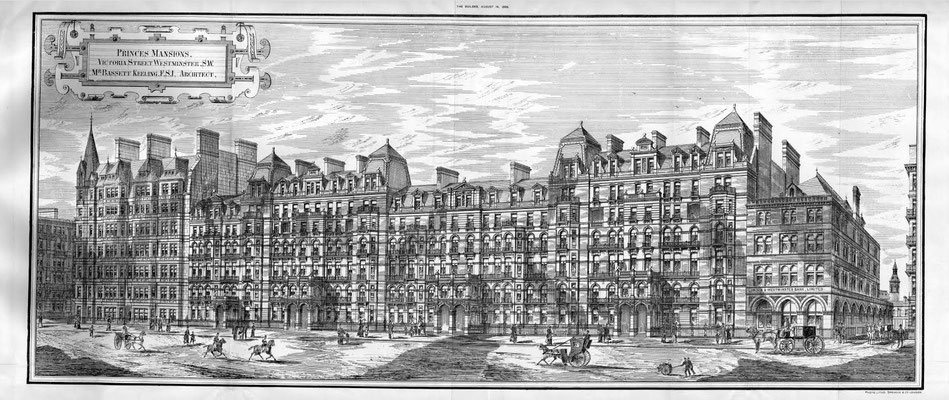

The house no longer exists. A modern office tower complex occupies this space.
MARGARET CRASKE'S - London Home
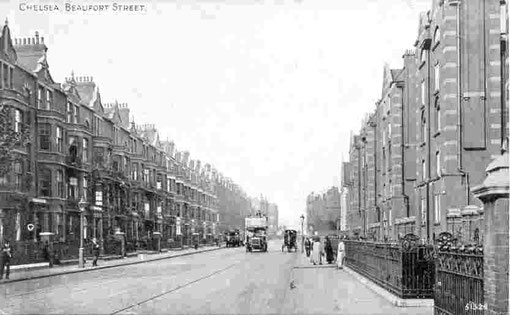
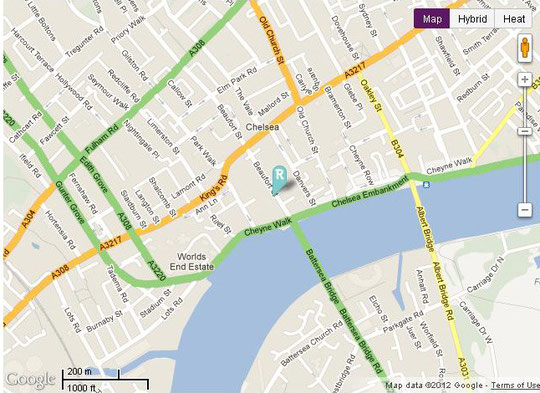
24 BEAUFORD MANSION, BEAUFORD STREET CHELSEA, LONDON SW 3 - mid to late 1930S
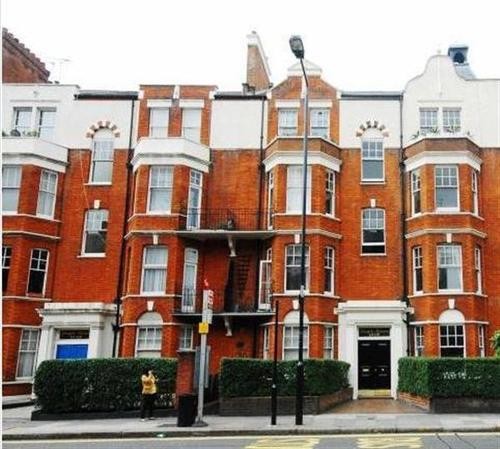
Margaret Craske lived here with her business partner, Mabel Ryan until early 1938.


|
He was standing at the foot of the steps leading to the front door, dressed in a thin white gown, a short, furry coat and a
pink turban; and he was looking at the house very quietly. He passed in through the door and gave me a smile in passing... |
|
Margaret Craske 1931, London Av p134 |

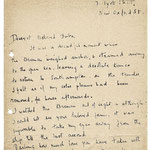
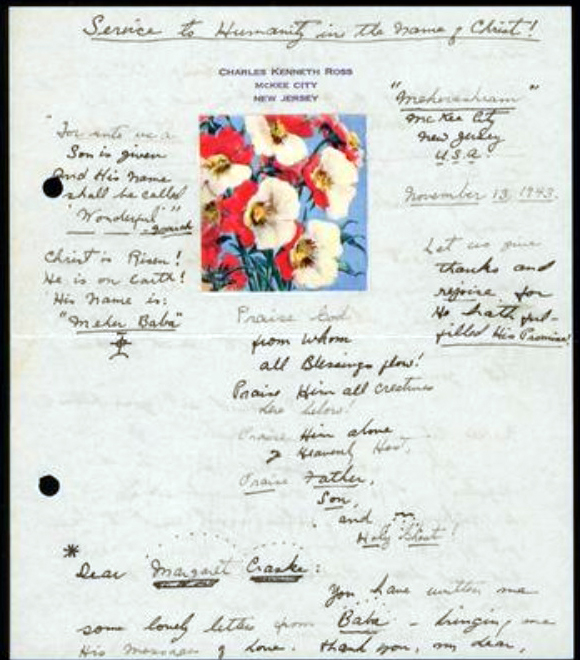
LETTER SENT BY MARGARET TO MEHER BABA IN THE 1930s


Courtesy of : HEART TALK – Adi K. Irani Secretary Collection – Fifty First Letter
Avatar Meher Baba PPC Trust, Archives, Meherabad
This Heart Talk posting is to Baba from Margaret Craske. It is undated, but was written soon after Baba sailed
on the Bremen on 14 May 1932 from Southampton, England for New York on His second trip to the West.
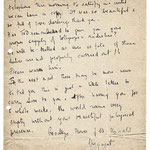


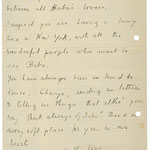
Courtesy of : HEART TALK – Adi K. Irani Secretary Collection – Sixtieth Letter
Avatar Meher Baba PPC Trust, Archives, Meherabad
The Heart Talk letter this week is to Chanji from Margaret Craske, who rarely dated her letters! However it refers to the tearful farewell at
Southampton, England to Baba, who sailed for New York on the 14th May 1932 on board the S.S. Bremen, arriving there on
the 19th May. The "boys" referred to, who were traveling with Baba, are Baba's brothers, Beheram and Adi Jr., Kaka
Baria, Dr. Ghani, Chanji. Quentin Tod was one of the first English Baba lovers.




Margaret Craske - Teaching in the USA

1946
Meher Baba told Margaret in India prior to her traveling to the USA, she would
" lay cables " for him.
Laughing, Baba opened his hands and then spelled out on his alphabet board,
" You must go ; I have made you my link in America".
Margaret Craske was invited by Anthony Tudor & Lucia Chase ( director ) - [ who were in London for a U.S. cultural exchange program ] to give lessons to their dance company - American Ballet Theatre. She arrived in New York by chartered airplane after briefly going to Canada to obtain the appropriate visa in 1946. She was aged 54.
By New Years Day 1947 she was teaching in San Francisco.
In 1950, American Ballet Theatre & Metropolitan Opera joined together to form the Metropolitan Opera Ballet School. Margaret became the director and remained there till the school closed in 1968.
She then joined Manhattan Festival Ballet as ballet mistress till 1983. When it closed she moved to Ballet School NY where she taught for the next 3 years till retirement in 1986, aged 94.
Throughout those years, she also taught at Theatre & School at Jacob's Pillow, Mass., also at Julliard School of Music & Dance.

1952 Meher Baba's USA Tour
https://www.meherbabatravels.com/location-gallery/usa/prague-oklahoma-usa/
After Meher Baba visited the Meher Spritual Center in Myrtle Beach, South Carolina, he and his close ones set off in 2 cars to drive to Los Angeles, California.
After some days, they were driving through Prague, Oklahoma when Baba's car driven by Elizabeth Patterson was involved in a head-on crash.
Baba, Mehera Irani and Elizabeth sustained serious injuries and were treated at the local medical center.
Delia De Leon phoned Margaret who was in New York about the car crash and was told Baba wanted her in Prague. The next day she flew to Oklahoma City and arrived in the evening in Prague.
Baba asked her if it was possible to exercise his muscles on the right side without moving the bone structure, etc. Yes, it was, she then explained when and how she had studied this.
So, 3 times a day, she worked on Baba's muscles on his right side and did what she could for Mehera and Elizabeth.
Eventually, the invalids were taken to Elizabeth's home - Youpon Dunes in Myrtle Beach.
Baba and Mehera travelled in an ambulance together and were very comfortable.
1956 Meher Baba's USA Tour


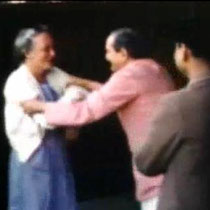
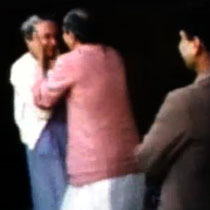
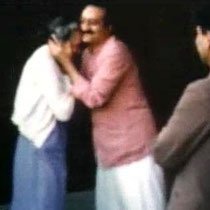
These are some of Margaret's New York dancers that came to perform for Baba at Myrtle Beach.
 - Tex Hightower, Baba, Peter Saul [ bottom ] Bunty Kelly, Margaret Craske & Marie Adair](https://image.jimcdn.com/app/cms/image/transf/dimension=210x210:mode=crop:format=jpg/path/se80bcf7e1bbfb507/image/ie407e56d7636ee8d/version/1455343784/image.jpg)
 - Tex Hightower, Baba, Peter Saul [ bottom ] Bunty Kelly, Margaret Craske & Marie Adair](https://image.jimcdn.com/app/cms/image/transf/dimension=210x210:mode=crop:format=jpg/path/se80bcf7e1bbfb507/image/i625d11d6eef46cab/version/1455343784/image.jpg)
 - Tex Hightower, Baba, Peter Saul [ bottom ] Bunty Kelly, Margaret Craske & Marie Adair](https://image.jimcdn.com/app/cms/image/transf/dimension=210x210:mode=crop:format=jpg/path/se80bcf7e1bbfb507/image/i5ba5a252a089a6f5/version/1455343784/image.jpg)
 - Tex Hightower, Baba, Peter Saul [ bottom ] Bunty Kelly, Margaret Craske & Marie Adair](https://image.jimcdn.com/app/cms/image/transf/dimension=210x210:mode=crop:format=jpg/path/se80bcf7e1bbfb507/image/ia74a15ad121157a1/version/1455343784/image.jpg)
 - Tex Hightower, Baba, Peter Saul [ bottom ] Bunty Kelly, Margaret Craske & Marie Adair](https://image.jimcdn.com/app/cms/image/transf/dimension=210x210:mode=crop:format=jpg/path/se80bcf7e1bbfb507/image/ic7d3bd4af1e36c95/version/1455343784/image.jpg)
 - Tex Hightower, Baba, Peter Saul [ bottom ] Bunty Kelly, Margaret Craske & Marie Adair](https://image.jimcdn.com/app/cms/image/transf/dimension=210x210:mode=crop:format=jpg/path/se80bcf7e1bbfb507/image/i6ff2979e803831cc/version/1455343784/image.jpg)
The above images were capture by Anthony Zois from a video that was filmed by Charmaine Duce at the "Holiday Inn" in San Francisco during Meher Baba's visit to that city in 1956, prior to travelling to Australia, for the first time.
[ top ]( L - R ) - Tex Hightower, Baba, Peter Saul
[ bottom ] Bunty Kelly, Margaret Craske & Marie Adair
Tex Hightower stated that it was Margaret who told them ( himself, Peter Saul and Don Mahler that they were to carry Baba's chair when he visited the Myrtle Beach Center during the 1958 visit.
Helen "Bunty" Kelley who was Scottish taught the dancers the Highland fling which was to be performed for Baba.
VIDEO CLIP
https://www.youtube.com/watch?v=56i7IdHuz8g
Bunty, Ella, and Tex begin by talking about Margaret Craske, their ballet teacher who told them about Baba, and they later describe their meetings with Baba.

A humourous exchange between Meher Baba and Margaret Craske with Eruch Jessawala looking on.


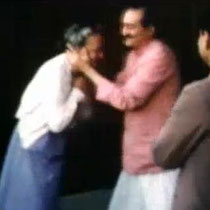
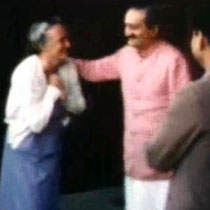
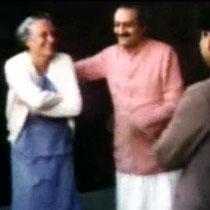

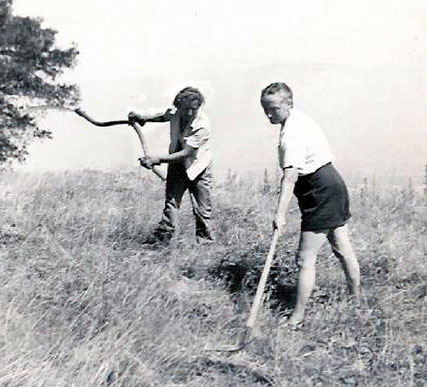


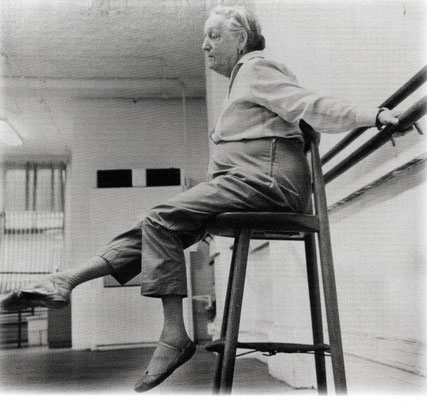
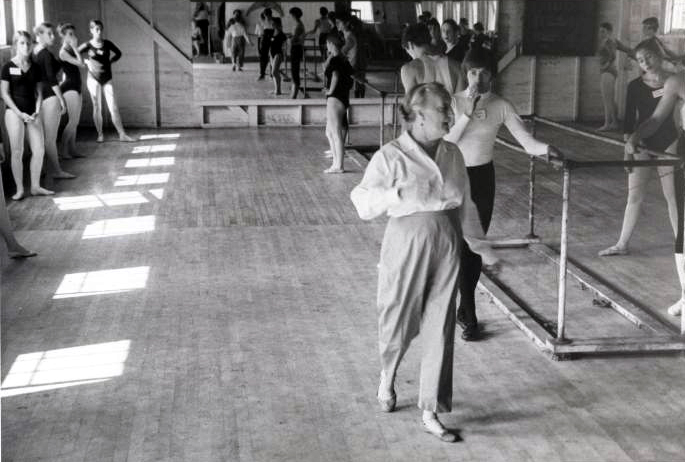
''She was a tiny woman - maybe all of five feet tall - with little feet in pink ballet slippers,'' a student, Nancy Reed, told Klasina Vander Werse for a 1983 feature on Miss Craske in Ballet News. ''She'd wear bell-bottomed trousers to teach in, and her feet would dart out of the trousers like hummingbirds, the pants flapping.''

VIDEO CLIP : "Clip 1 " Margaret filmed by Irwin Luck. Duration : 1:01
min.
https://www.youtube.com/watch?v=HBjt_rU433M
She once said, the advice that Cecchetti had given her. These words remain part of my life :
"Give only one idea - discipline per exercise."
"People only learn when they are ready."
"You have to know what is in their heads before you can help them."
"If you cannot feel it then you cannot teach it."
Courtesy of Cecchetti Society - www.cicb.org/margaretcraske

Books about Margaret Craske
She was the author of two standard references on the Cecchetti technique: ''The Theory and Practice of Allegro in Classical Ballet,'' written with C. W. Beaumont in 1950, and ''The Theory and Practice of Advanced Allegro in Classical Ballet,'' written with Derra de Moroda in 1956.

THE DANCE OF LOVE
MY LIFE WITH MEHER BABA
Margaret Craske
1980
Published by ; Sheriar Press
193 pp.

STILL DANCING WITH LOVE
MORE STORIES OF LIFE WITH MEHER BABA
MARGARET CRASKE
1990
Published by ; Sheriar Press
104 pp.

Margaret Craske - Retirement

Margaret retired from teaching in 1986 and moved to Myrtle Beach and lived on the Meher Spiritual Center. She was a
member of the Board of Directors for many years.
https://www.meherbabatravels.com/location-gallery/usa/myrtle-beach-sc-usa-1/
VIDEO CLIP
Memoirs of the Frivolous Three
Taped in September, 1988 in Myrtle Beach, SC, - Delia De Leo, Margaret & Kitty Davy
Margaret speaks between 2:54 - 4:30 mins


Some of the past students of Margaret Craske
United Kindom & Commonwealth
Frederick Ashton, Sir
Robert Helpman, Sir - Australia
Claire Aytoun - Australia
Cyril Beaumont
Anton Dolin
Anthony Tudor
Peggy van Praagh, Dame - Australia
Margot Fonteyn, Dame
Eileen Keegan - Sth. Africa
Ninette de Valois
Lucie Saronova - Australia
Wanda Edwards - Australia
Sylvia Forrest - Australia
Jocelyn Yeo - Singapore
Audrey Williams
Mary Skeaping - English / Swedish
Dulcie Howes - Sth. Africa
United States :
Paul Taylor
Bunty Kelly
Tex Hightower
Peter Saul
Ella Marks
Marie Adair
Donald Mahler
Edward Henkel
Agnes de Mille
Glen Tetley
Viola Faber
Carolyn Brown
Diane Byers
Vida Farber
Danielle M.Jays
Glenford A. Tetley Jn.
Ilsa Bush
Jerome Robbins
Nora Kaye
Sallie Wilson
Alicia Alonzo
Joe Fabian
Cathryn "Skipper" Damon
Cynthia Mays
Zebra Nevins
Hugh Laing
Melissa Hayden
Carmen Mathe
Nancy Reed
Gerald Arpino
Pauline Koner
Ron Sequoia
James Waring
Sura Geshen
Brynar Mehl
Naomi Westervelt
Susan Kramer
Bruce Marks
Other countries :
Lydia Sokolova - Russia
Jean Cebrun - France
Gerd Larson - Anglo-Norwegian
Margaret Craske is Margaret Bernstein's Godmother. Margaret Bernstein is Bunty Kelly's daughter.
The link below is Margaret Bernstein's musical tribute to her Godmother. The music is called "Meherabad Morning".
AUDIO CLIP
https://www.youtube.com/watch?v=qSZf2rxHUes
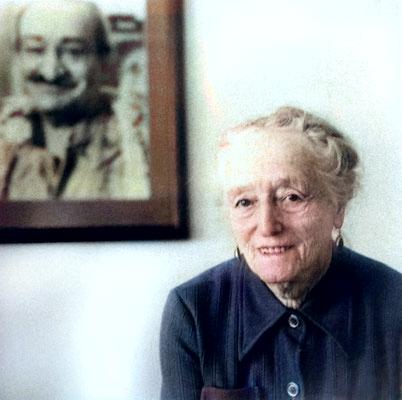
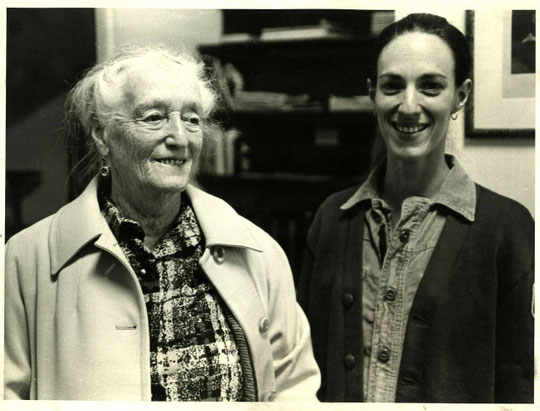
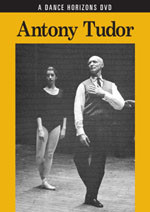
Miss Craske was thought by many to have influenced Tudor's choreographic style, though she herself dismissed the notion. She and Tudor ''nipped'' at each other's teaching, as one student put it, as colleagues at the Metropolitan, with Tudor sometimes teaching students wild variations on the strict steps and gestures she had taught them the day before.
Like Tudor, however, she believed that movement must ''mean something,'' as she put it. ''There is no room in the world for dancers running around and around the stage and then kicking their right ear,'' she said in a 1983 interview. ''That doesn't mean a thing.''
Dance Magazine in her orbituary said that "she greatly influenced how ballet technique is to be taught."
Travels by Ships

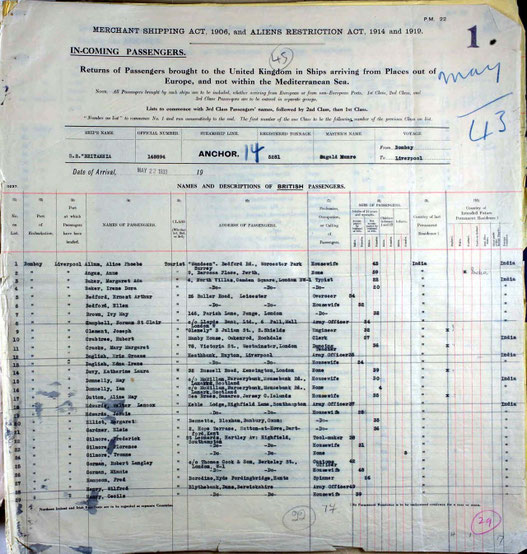
ON MAY 22ND 1933 MARGARET CRASKE ( 36y.o.) & KITTY DAVY LANDED IN LIVERPOOL, ENGLAND FROM BOMBAY ( MUMBAI ) INDIA.

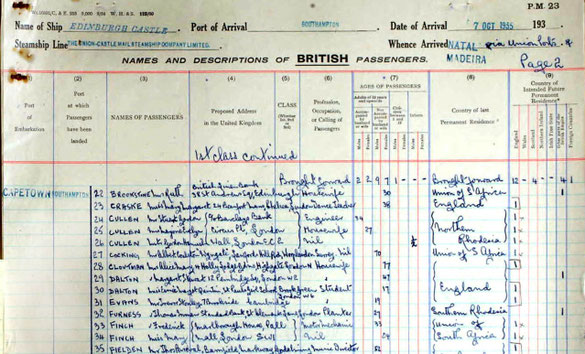
IN THE SECOND HALF OF 1935 MARGARET CRASKE WENT TO SOUTH AFRICA. SHE MADE THIS TRIP TO ADJUDICATE THE CECCHETTI DANCE STUDENTS EXAMS.
SHE TRAVELLED 1ST CLASS. IT APPEARS SHE TRAVELLED ALONE.
THE SHIP ARRIVED AT SOUTHAMPTON, ENGLAND 7TH OCTOBER 1935.
THERE WAS A CECCHETTI DANCE SCHOOL ESTABLISHED THERE IN 1928.
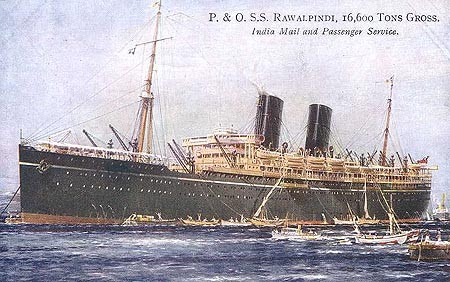
On the 11th December 1936, Margaret along with 5 other English followers sailed from Europe to Bombay ( Mumbai ), India.
Later, on 26th June 1937 she sailed from Bombay to England. There were 4 others travelling with her ; Kitty, Delia, Will & Mary Backett.

Margaret sailed on this ship in mid-October 1938 from Southampton, England to Colombo, Ceylon ( Sri Lanka )