
 Meher Baba's Life & Travels





Click on underlined names to visit those web pages on this site.


1931
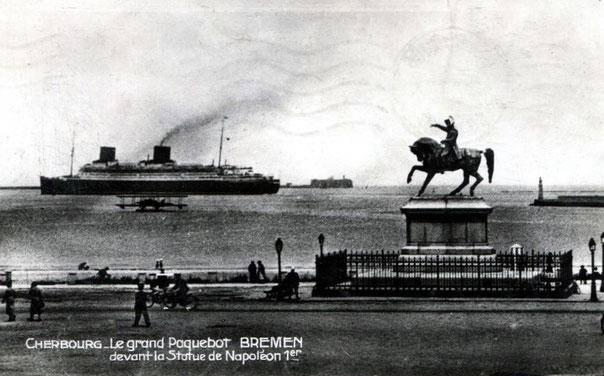
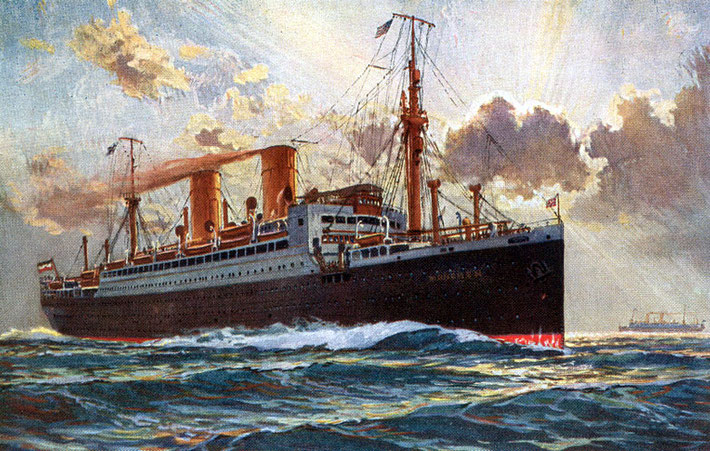
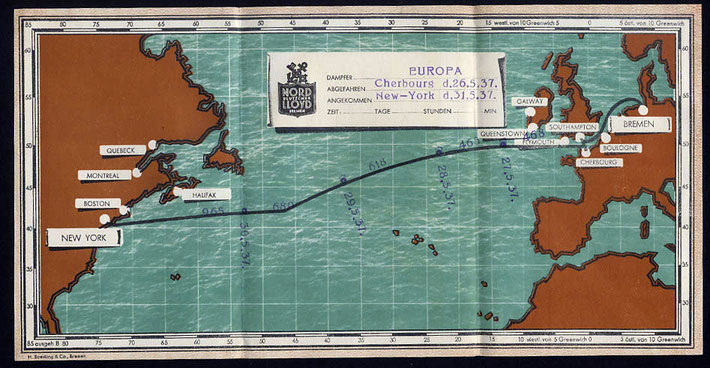
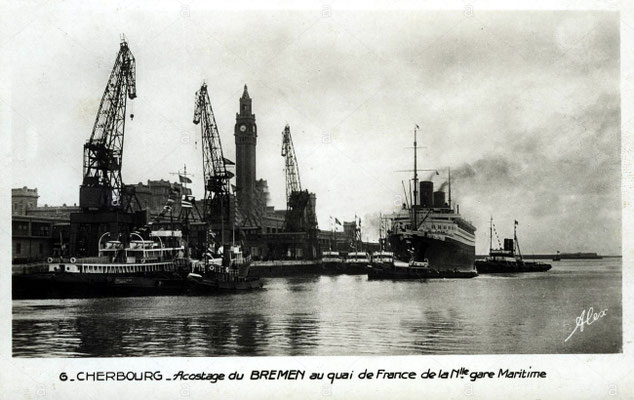
After staying in America for one month, at the stroke of midnight late at night on Saturday, 5 December 1931, Baba sailed on the North German Lloyd liner SS Bremen for France, accompanied by Chanji, Agha Ali and Meredith.
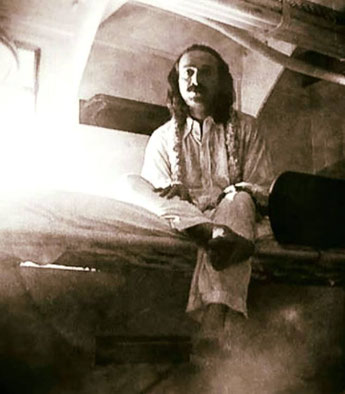
During the voyage, Baba remained in his cabin, preferring seclusion and avoiding going out lest he be recognized. Very often his fingers would spell out the names of his American lovers on the alphabet board, remembering them and perhaps inwardly sending them his love.
The Atlantic Ocean was quite rough during the first few days of the crossing and most of the passengers stayed inside as waves crashed across the decks. Since Baba and the mandali's cabins were situated in the center of the ship, the rolling effects were minimal. The five-day voyage was a period of relaxation and rest for him after his strenuous work in America. Baba liked his accommodations and the food pleased him.
On the last day of the trip, 10 December 1931, a few newspaper reporters, photographers and an artist found out about Meher Baba's presence and they requested to be permitted to take his picture. Baba granted their request and as the ship's band played in the background, several photographs were taken, as well as one short reel of film — but all of these photographs and the film have been lost.
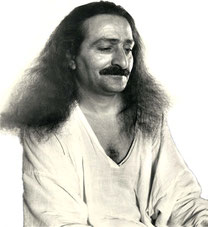
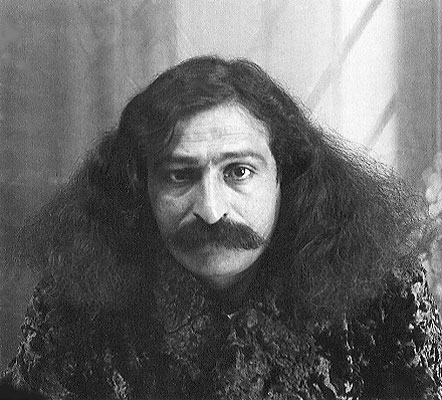
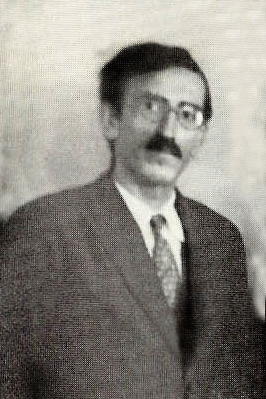
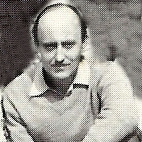
The artist present at the photographing, Emile Brunel, 57, later came to Baba's cabin with a friend, an Armenian carpet dealer of Los Angeles named H. P. Philibosian. Brunel, a prominent New York City portrait artist and celebrity photographer, requested to do a sketch of Baba in his white robe, and surprisingly, Baba permitted it. While posing, Baba spoke with him about spiritual and religious subjects.
While drawing Baba in his sketchbook, Brunel remarked to Chanji, "You know, he looks like Christ. He has nothing 'human' in him. There is something more — something supernatural. It is all. His beautiful features are an artist's dream."
Brunel invited Baba to visit his studio on Fifth Avenue and wished to see him again in Paris, but Baba did not wish to meet any outsiders while in Paris and gently refused.
Lord Meher Volume 4, Page 1500 - 1st edition printed.
Lord Meher Online Edition Page 1336
Webmaster : The photos that Emile Brunel took of Meher Baba and the sketch have never been seen. Their whereabouts are unknown.
Checkout these web pages ;
S.S. Bremen - https://www.meherbabatravels.com/ship-travels/bremen/
Emile Brunel - https://www.meherbabatravels.com/personalities/emile-brunel/



Wikipeadia
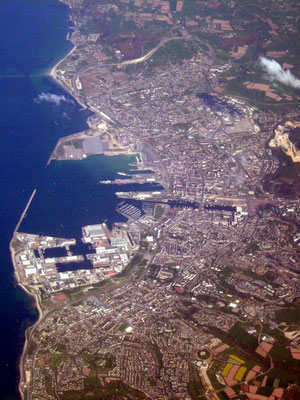
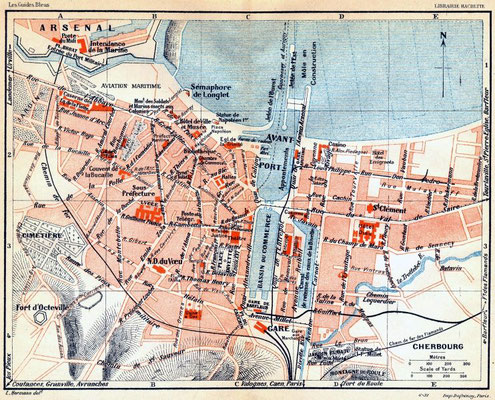
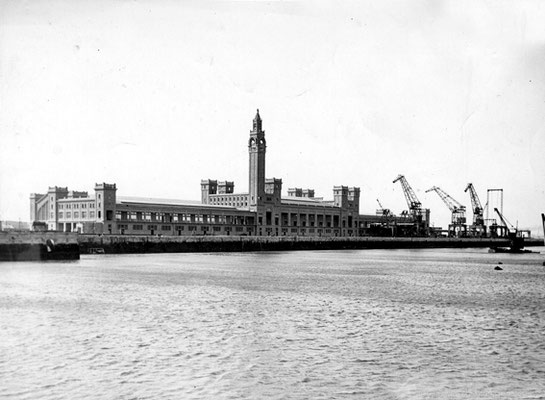
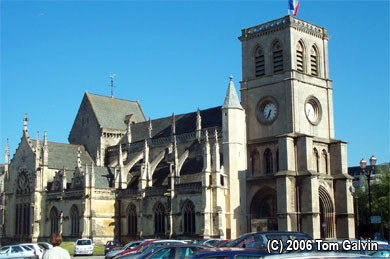
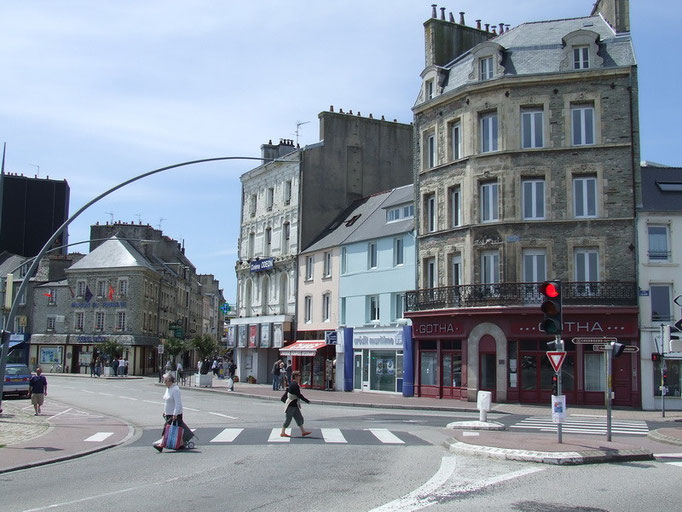
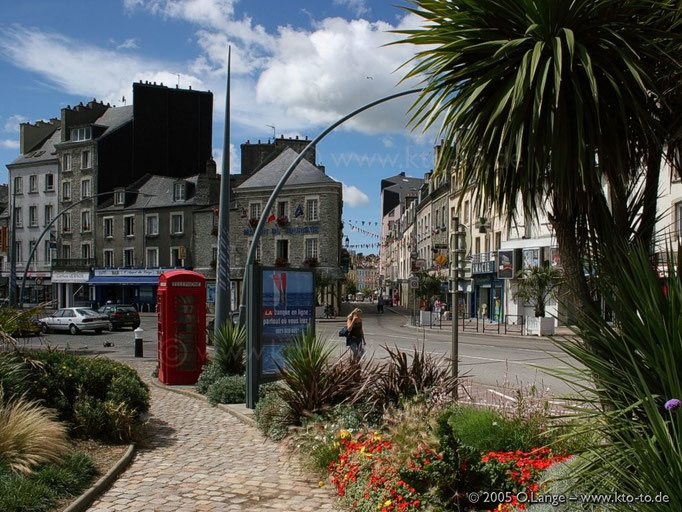
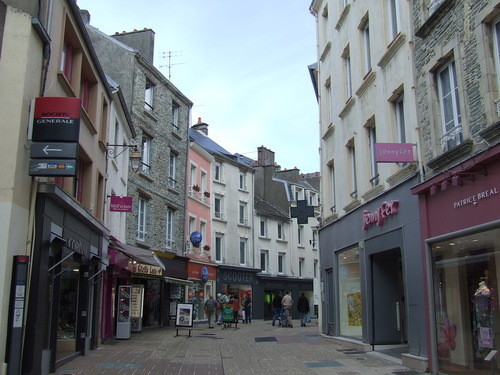
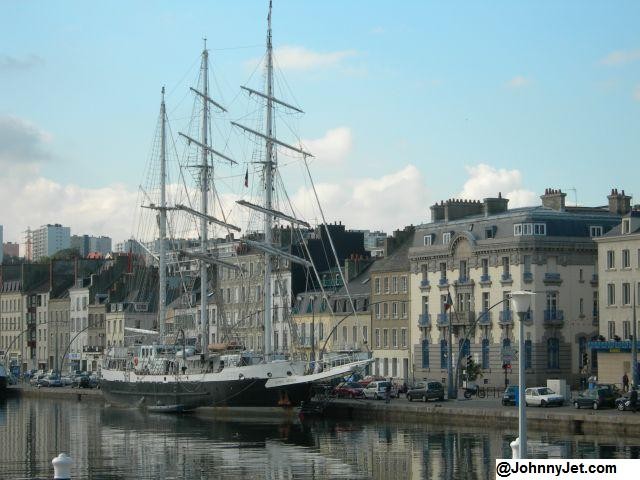
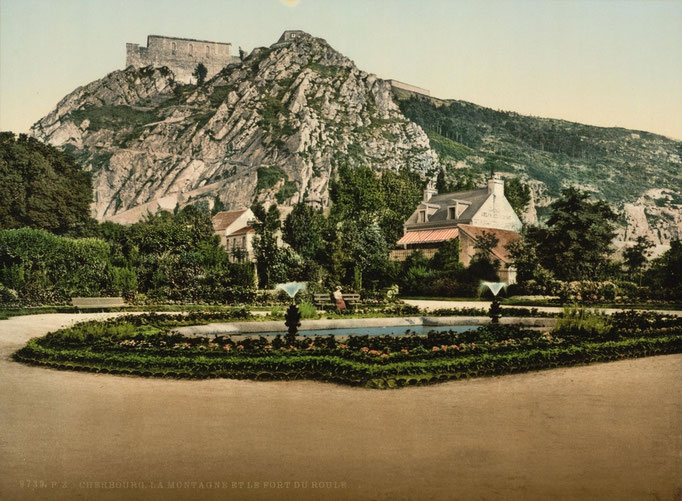
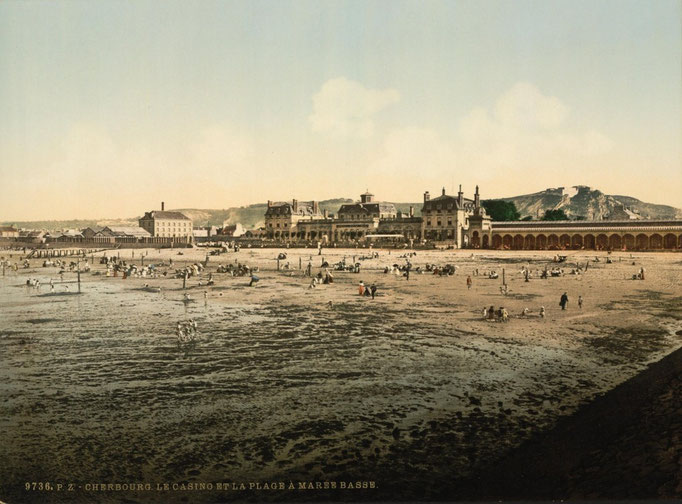
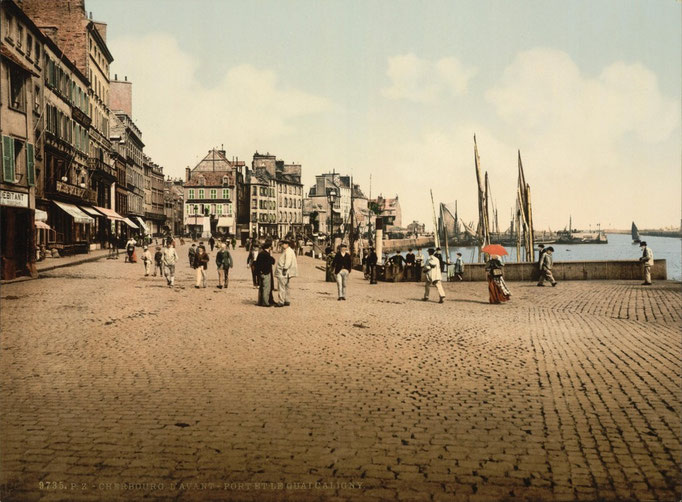
Cherbourg-Octeville is a city and commune in the Manche department in Normandy in north-western France.
Originally just Cherbourg, it was formed when the city absorbed Octeville on 28 February 2000, and was officially renamed Cherbourg-Octeville.
Cherbourg holds an arsenal of the French Navy.
|
||||||||||||||||||||||||||||||||||||

|
||||||||||||||||||||||||||||||||||||

|
||||||||||||||||||||||||||||||||||||

|
||||||||||||||||||||||||||||||||||||


Geography
Cherbourg-Octeville is situated at the north of the Cotentin Peninsula. It is in the Manche département (of which it is the sous-préfecture) in the Basse-Normandie région. At the time of the 1999 census the city of Cherbourg had an area of 6.91 km² (2.668 sq mi), while the city of Octeville had an area of 7.35 km² (2.838 sq mi). The amalgamated city today has an area of 14.26 km² (5.506 sq mi).
Demographics
The combined population of Cherbourg and Octeville at the 1999 census was 42,318 inhabitants. (Separately, the official numbers were 25,370 for Cherbourg and 16,948 for Octeville.) The population of Cherbourg metropolitan area (the aire urbaine de Cherbourg) at the 1999 census was 117,855 inhabitants. The city is now the second largest in the Basse-Normandie region (after Caen), surpassing Alençon, which had been second before the amalgamation. Also, the city is the largest in the Manche département, although Saint-Lô is the préfecture (capital).
History
Cherbourg-Octeville
The Cotentin Peninsula was the first territory conquered by the Vikings and Cherbourg became a port.
During the Seven Years' War the town was briefly occupied by a British force in the Raid on Cherbourg in 1758. The British destroyed military buildings and warehouses before departing.
In the Napoleonic era the harbour was fortified to prevent British naval incursions. Underwater obstructions were sunk at intervals across the harbour entrance, and then progressively replaced with piles of masonried rubble. Works began in 1784 and were not concluded until 1850, long after Napoleon's defeat at the Battle of Waterloo.
On July 31, 1909, tsar Nicholas II and French president Armand Fallières met officially in Cherbourg to reinforce the Franco-Russian Alliance. Cherbourg was the first stop of RMS Titanic after it left Southampton, England.
On 19 June 1864, the naval engagement between USS Kearsarge and CSS Alabama took place off Cherbourg. In November 1984, the French Navy mine hunter Circé discovered a wreck under nearly 60 m (200 ft) of water off Cherbourg. The location of the wreck (WGS84) was 49°45'147N / 001°41'708W. Captain Max Guerout later confirmed the wreck to be of the Alabama.
The Battle of Cherbourg, fought in June 1944 following the Normandy Invasion, ended with the capture of the city on 30 June.
The Norman language writers Alfred Rossel, a native of Cherbourg, composed many songs which form part of the heritage of the region. Rossel's song "Sus la mé" ("on the sea") is often sung as a regional patriotic song. The local dialect is known as Cotentinais.
Periphery
La Glacerie comes from the French for glass factory. In 1655, Louis Lucas de Néhou built a glass factory which was provided for buildings like Galerie des Glaces and Château de Versailles. The factory in La Glacerie was destroyed by Allied bombardments in 1944.
Heraldry

|
The arms of Cherbourg-Octeville are blazoned :
|
Main sights
- La Glacerie has a race track.
- The Cité de la Mer is a large museum devoted to scientific and historical aspects of maritime subjects.
-
Cherbourg
Basilica[1]
- Jardin botanique de la Roche Fauconnière, a private botanical garden.
- Le Trident theatre
- The Musée des beaux-arts Thomas Henry has a collection of over 300 paintings, founded on the original collection of Cherbourg native, Thomas Henry.
Interesting facts
- Cherbourg is featured in Ken Follett's popular novel The Pillars of the Earth as the hometown of Jacques Cherbourg, a Frenchman who is washed ashore in England during the European Middle Ages, only to be executed by the English authorities. In the story, Jacques has a son, Jack Jackson, who, as an adult, meets his father's family in Cherbourg while traveling in France.